Content
- Introduction
- Composition in street photography
- Negative space
- Henri Cartier-Bresson’s photography
- Steve’s McCurry photographic manipulation
- Lee Friedlander’s social landscape photography
- Conclusion
Introduction
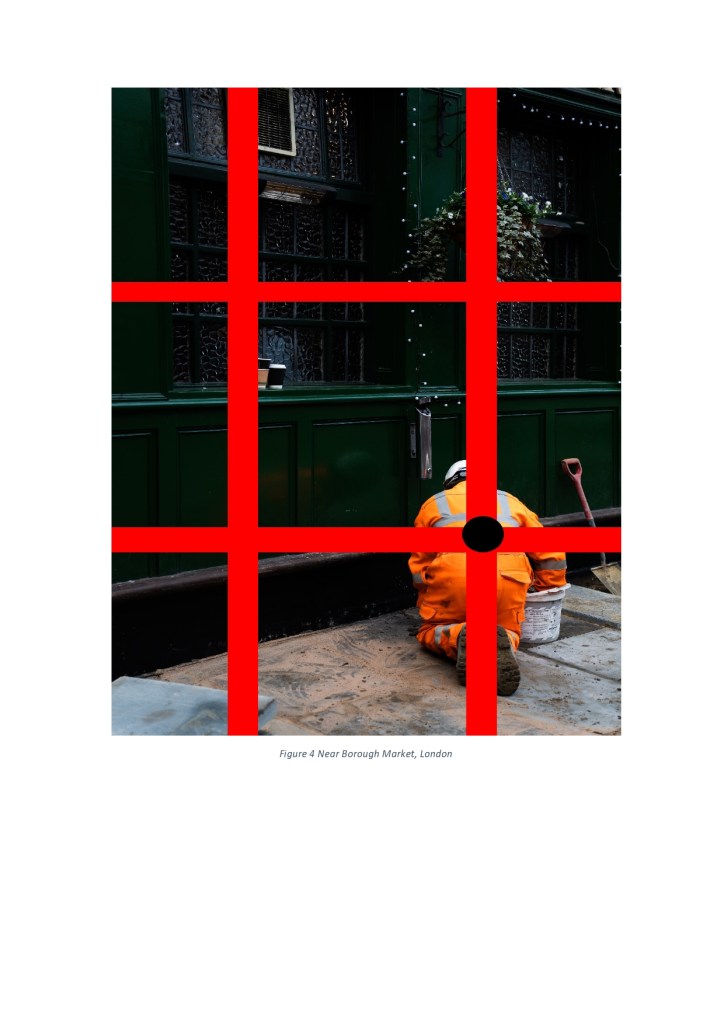
From the start of my art project, I’ve been fascinated by composition- shapes, symmetry, lines and almost anything that’s geometrical. I remember for the first time that, as an instrument in photography, I discovered the rule of thirds. As a result of this, it has changed my perspective on the world in the field of photography, Then I found photography of the path, which captured emotions, strength and daily life. I pursued photography as a result of gaining inspirations from fellow photographers such as Steve McCurry, Lee Friedlander and Henri Cartier-Bresson. There works has painted a frame in the way I would like, and waiting eagerly to reach the right section of the shot to see “the definitive moment.”
First of all, I believe that composition is important because it helps the viewer’s eyes to direct their photograph. For starters, your composition will decide what you want to see (or not see), for example, you can better direct the eyes of the viewer towards the main subject with a simple background. Another trick, with leading lines, you can direct the viewer’s eyes towards the main subject.
I think it is also pleasing to the eyes to have a good composition. I think there is a rhythm in our mind that is drawn to the beauty of the lines, shapes, curves, light, colour and art. We attempt to recreate the beauty that we see in nature, or try to captivate the beauty of our fellow human beings, such as street photography, documentary films, and paintings.
Composition is a way to attract the viewers’ eyes to the most important elements of their work. A strong structure will lead to creating a masterpiece even in the plainest settings with the most unnoticed objects and subjects. On the other hand, while the subject is fascinating, a poor composition will totally destroy a photograph. A poor composition photograph, as opposed to clear and normal exposure or white balance errors, cannot normally be corrected in post-processing. Cropping often may save an image, but the right solution only works where other areas of the image are trimmed up and cut.
Composition in street photography
Street photography is a photographic type that captures everyday life in an artificial, natural or public space. It does not necessarily require the essence of “streets” or even an urban setting, while big cities would definitely offer the photographer more opportunities. The setting enables the photographer to look at candid moments of people and their interaction in the environment, often without them knowing. Street photographers do not create a social mindset of how things should be when they are in their shooting environment, but prefer to separate and capture moments that are unnoticed. Too often, photographers rely on the uniqueness of their subject and do not pay enough attention to the overall framing and composition of their images. Although I am always looking for subjects that tells a story, composition is always an important factor for creative processing. Street photography is usually considered not to require much post processing and editing. It is one of the most difficult but also one of the most treasured photographic genres. It is not easy to document people on a daily basis, hard work and patience, even some courage to approach to photograph complete strangers is very much needed. Most of the crucial points I’ve experienced and learnt so far is that you follow your instincts and gut feeling whenever you shoot in the streets. If you shoot in a crowded street, the awareness of the photographer in the perspective of the public is ignored as this captures the uniqueness and realism of the photo. I don’t stress myself while shooting, I composed an image through visualizing lines, triangles and shapes. With absolutely any kind of camera, you can perform well in street photography, or even with a camera phone. You can do that with a DSLR camera with a variable zoom lens. However, there are various advantages for various equipment. A zoom lens allows better chances at varying focal lengths, but it’s bigger, more visible and narrower. A prime lens limits you to take images from your camera at a certain distance, but also allows more light and fixed focus. Prime lenses give you a huge advantage while you are restricting yourself to a specific focal length. With this focal length, you will begin to look at the world more intuitively, you will enhance the capture of the pictures under the parameters of this focal length.
One may say that a good composition is one that is most pleasing to the eye. Consequently, the objective of a good composition should be to show your subject or object in a flattering, aesthetically pleasing manner. Yet that view is a little shallow. Not every work of art should be pleasing or beautiful to the viewer. Some artists seek to convey, stronger ideas and their subject matter, and the choice of composition helps to accomplish this.
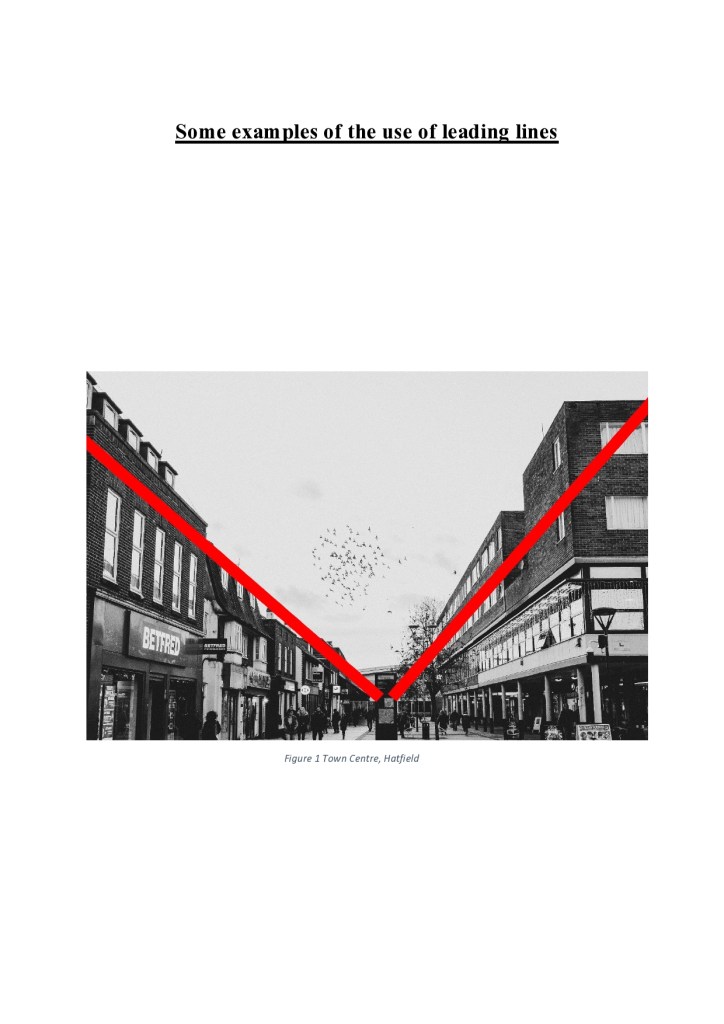
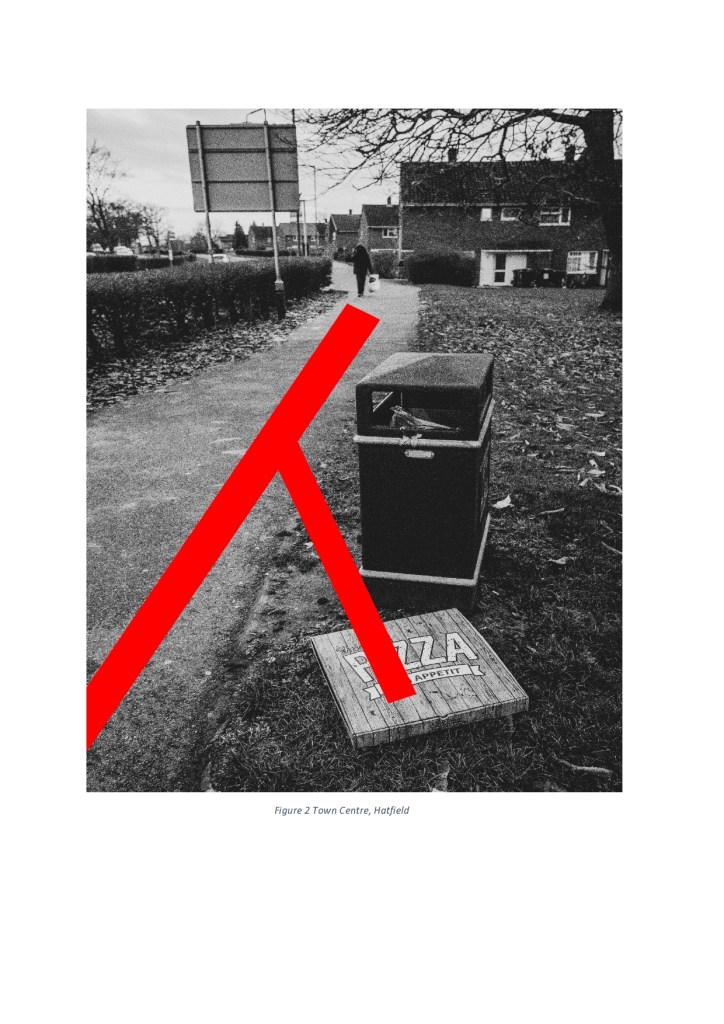
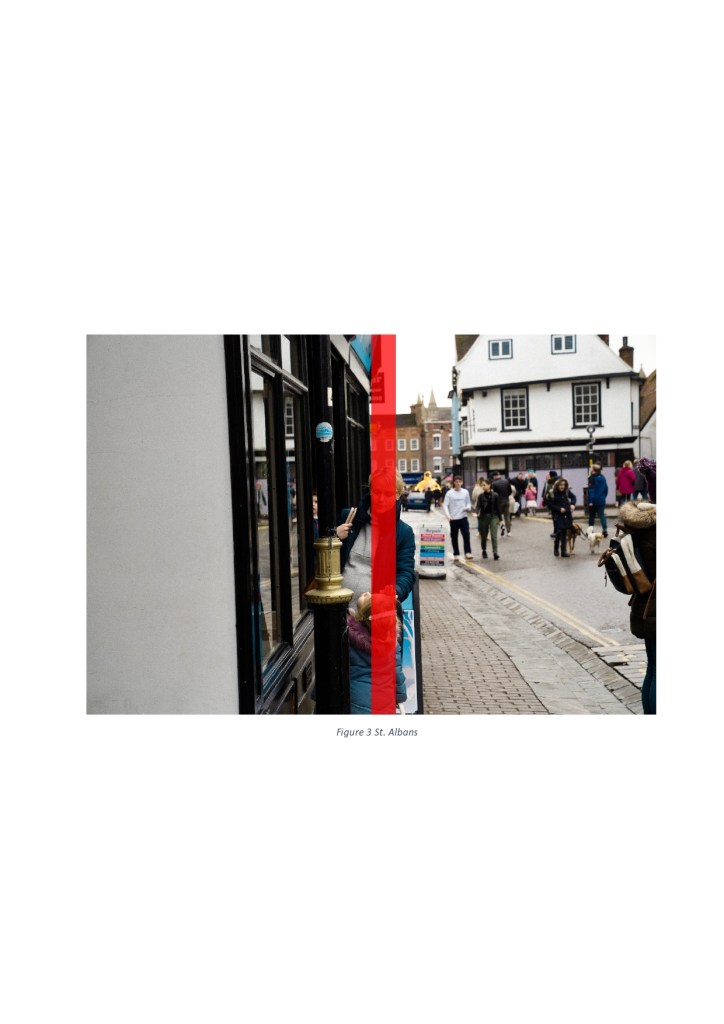
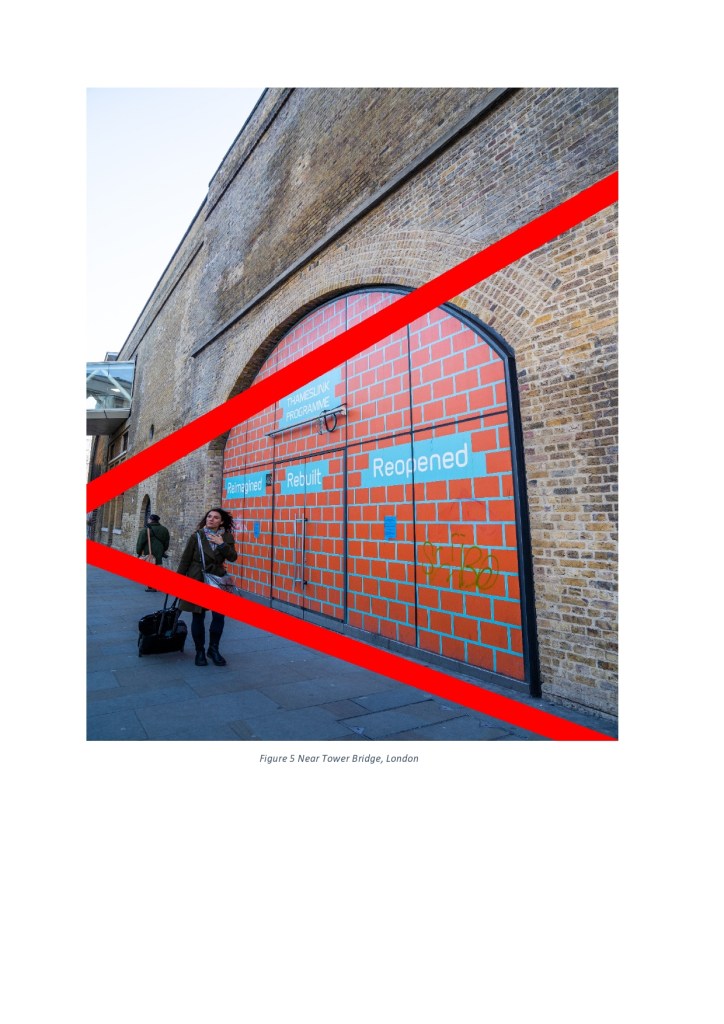
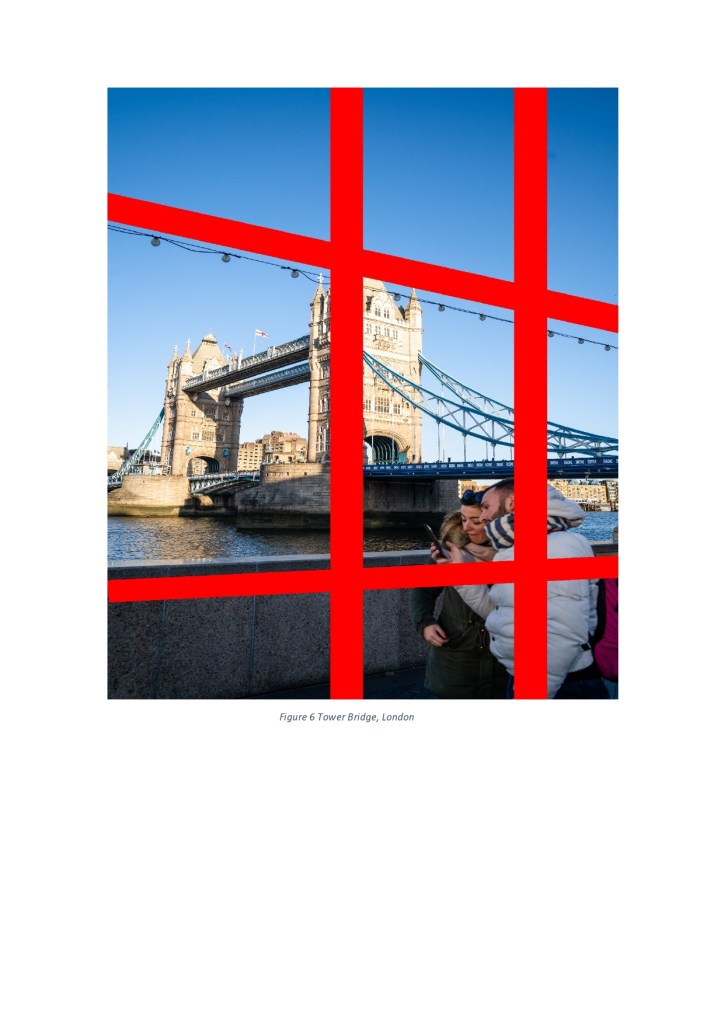
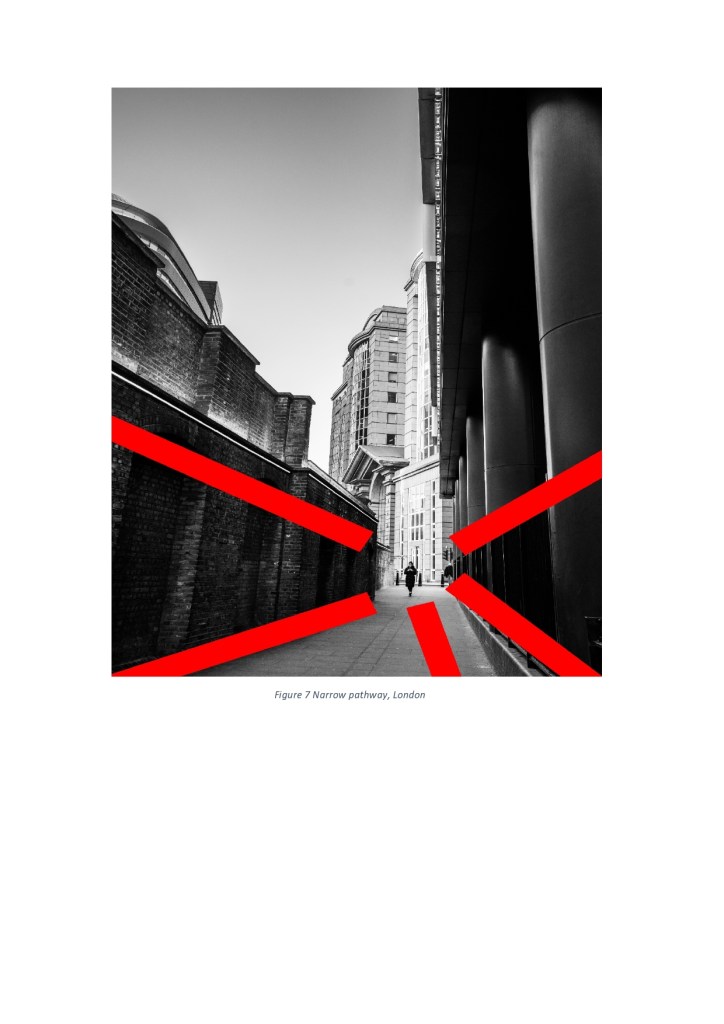
Leading lines is one of the most common photography compositional technique. Yet it’s a strategy that we don’t really listen to or adopt. It paves a simple path for the eye to navigate through the various picture elements. Usually, they start at the bottom of the frame and direct the eye up and down, from the foreground of the picture to the background, usually leading to the main subject. The easiest place to find a lead line is on the lane. Roadways are necessarily leading as they go somewhere, give us a sense of motion, and the lines always point so far inward that they hit a vanishing point a position where two or more lines intersect in abstract infinity. Leading lines are the main compositional feature that carries our eyes through the picture. They can be used to create a narrative, to put emphasis on a place, and to establish a bridge between the elements in composition.
Negative Space
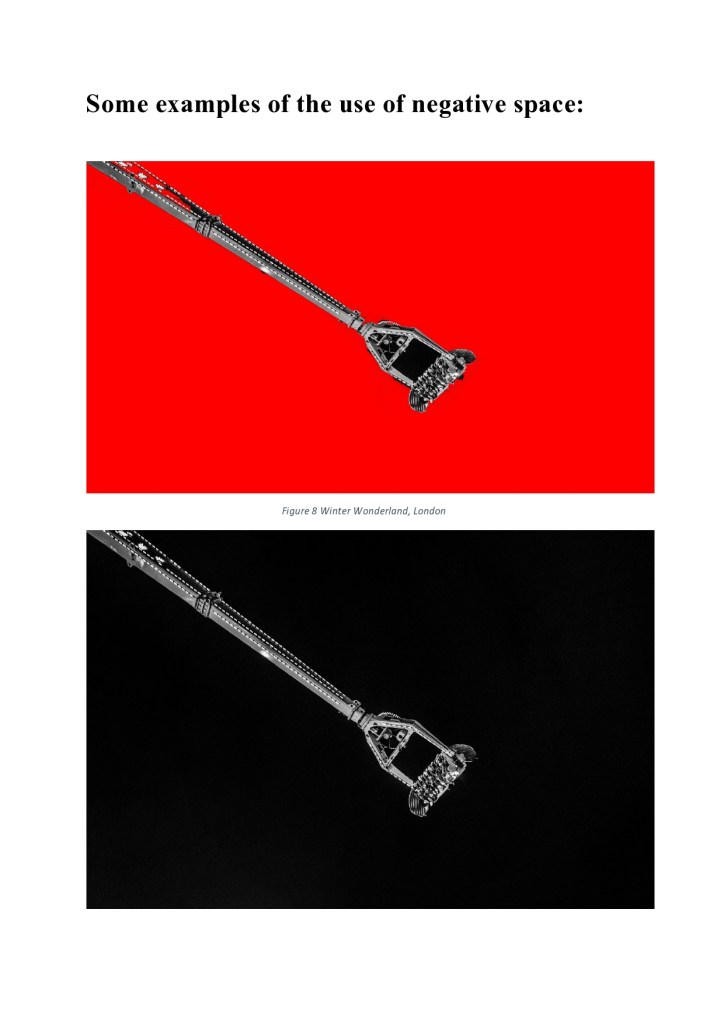
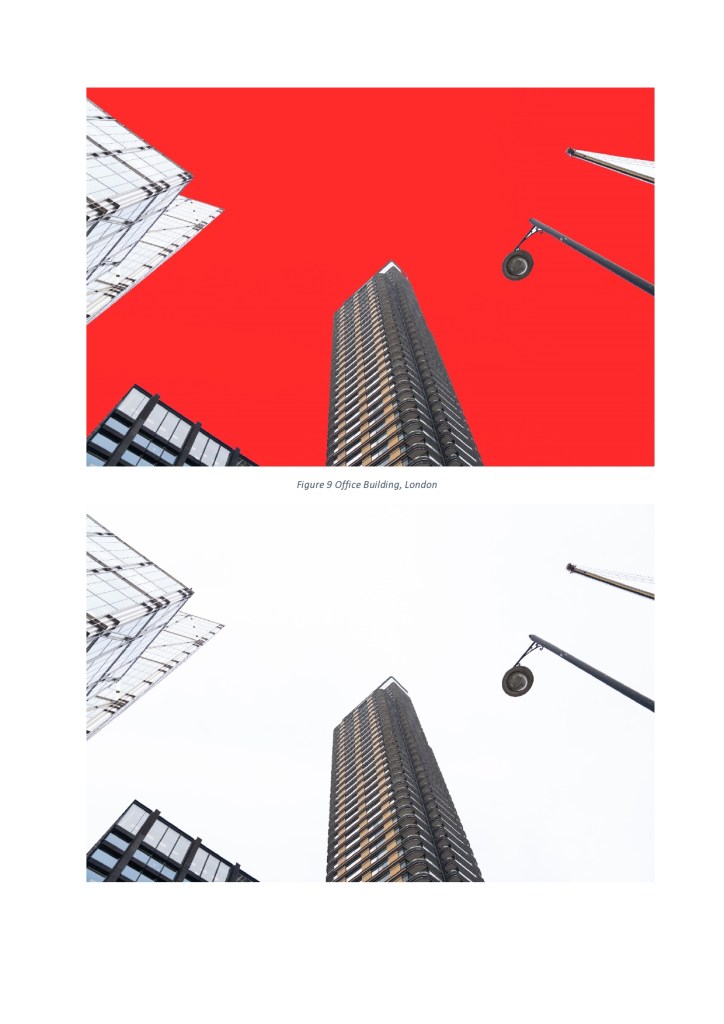
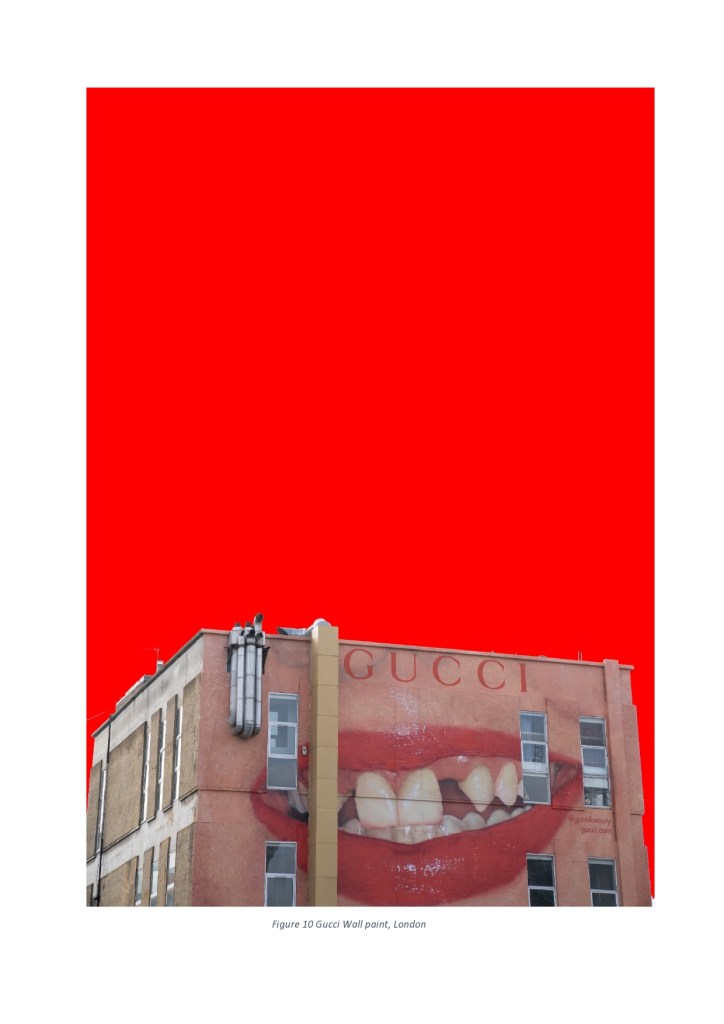
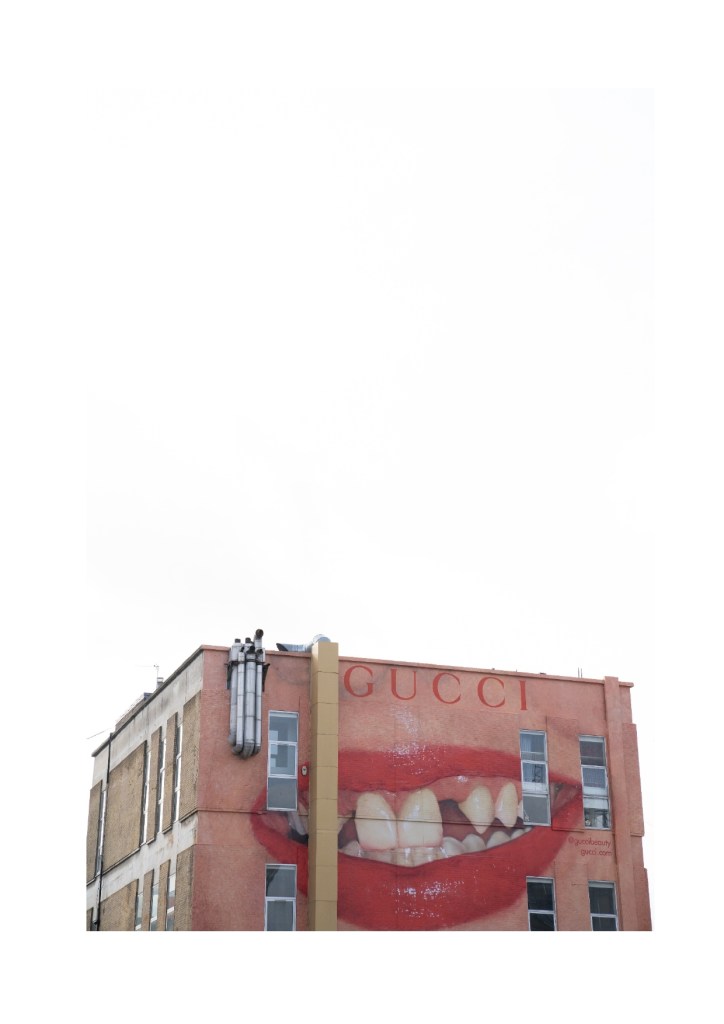
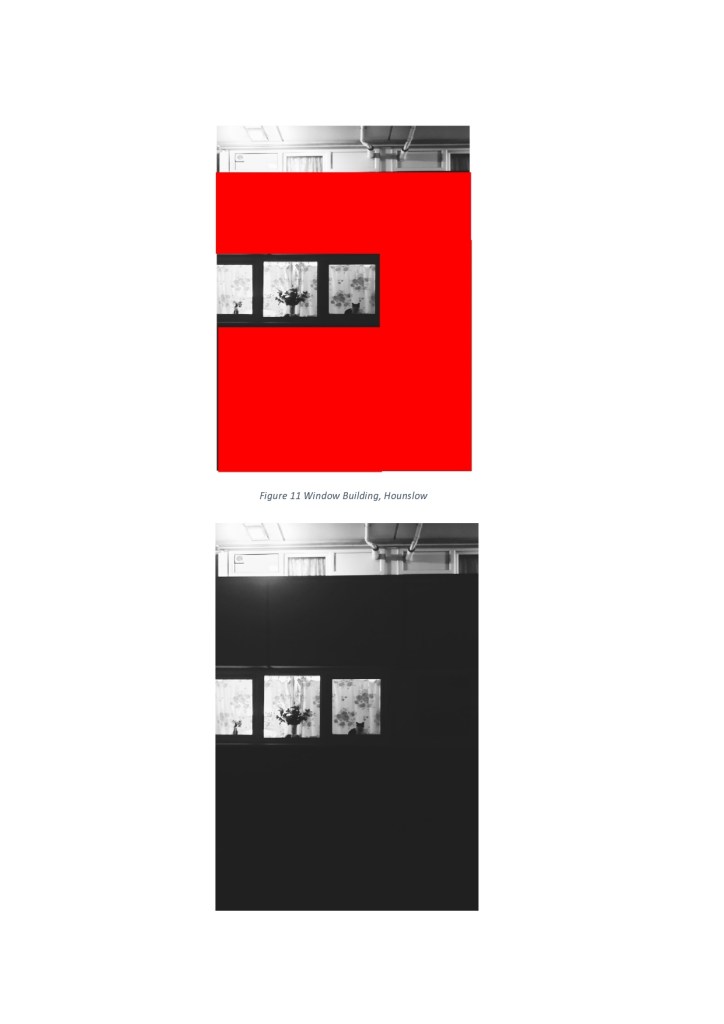
Some of the compositional elements are well known as the rule of thirds, while others are rarely discussed. Understanding negative space in Street Photography is a way of spacing up the image and turning your focus to the subject. Negative photography space can be an interesting way to compose your images. Normally, we try to fill in the frame with interesting elements that support the space within a frame. The frame should be small so that you can’t get any closer without deleting objects that are important to the shot. The negative space in photography is a bit different today. Instead of filling our frame to its maximum, we consciously add “white” space to the image. It may sound contrary at first, but it’s a great technique in Street Photography to place an order in your shot. As Street Photographers, we often face the problem that our images are either too cluttered or that we need to get so close that there is not enough room in the picture to tell a story. Getting close is one of the most valuable tips, but not the solution to any problem. It may help to avoid unwanted objects, but it can also contribute to very uninteresting close-ups. Often the topic only wants a little space to expand in order to boost the appeal of the photograph. Negative space in photography can help to make this room available, but it can also help to focus on the subject. You can combine negative space with leading lines to focus even more on your subject. There is a lot of arguments as to how negative spacing is used in terms of photography theories. I always recommend this strategy, but you are not expected to follow it thoughtlessly. Zooming out to give the subject and their storey more room to develop will make a photograph more interesting if the surrounding area creates a negative space. By experimenting with different crops during post-processing and see if a closer crop has a positive impact on the image or if a wide-open shot suits your taste better. When I’m on the streets, I play with this theme, search for places that don’t show anything, add a rhythm to your composition, and encourage your viewer’s creativity.
Henri Cartier-Bresson’s photography
French photographer Henri Cartier-Bresson, is known for his commitment to photographic art which allowed him to claim the reputation of “the founder of modern photojournalism”. Henri Cartier-Bresson, a professional widely described as the world’s greatest photographer. Instead, he wanted to catch the moment when reality itself unveils to the camera whether it was the split second before the heel of a leaping man’s foot enters the surface, or the movement of a wheel in motion. In addition, he established the well-known photographic idea of the “decisive moment” in the process. He established it at a period when photography was still a relatively modern form of art. This means the situations can never arise in the same atmosphere, and the photographer needs to be careful, but still quick and still ready to take a shot. Take a camera, then head out! Observe the world around, and use the crucial moment’s thought to create what he calls a decisive moment. He has worked with the world’s most popular newspapers and magazines. In fact, he was one among the founders of Magnum Agency, the world’s first independent photography agency. Before Cartier-Bresson started working as a photographer, he spent more of his career in fine arts painting which possibly gave him considerable knowledge of the concepts of composition. Afterwards he switched to other newspapers. He worked primarily as a photographer after 1931, but also as Jean Renoir’s assistant in filmmaking. He turned to drawing after doing all he could in painting, and dedicated it to the last years of his life.
Working only in black and white photography, the photographs of Cartier-Bresson seem to distil the abstract meaning of life into something pure. His rejection to either crop or manipulate his images feels the creative uniqueness and refreshing in contemporary practise, and allows the viewer to see the photo in a way that he would like them to see. Decisive Moments encourages us all to Observe important features and to respond that bit faster, and to enjoy experiences that, without waiting to recognise and relate to them, could live and die without ever being experienced. Cartier-Bresson ‘s philosophy of photography has a fascinating point of argument, that you must be invisible to take a decent shot but also that you must catch the critical moment that may be waiting for the scene to surface. I found this very difficult to imitate. Particularly walking around the streets of London with so many people, you can really stick out from the rest with a DSLR camera.
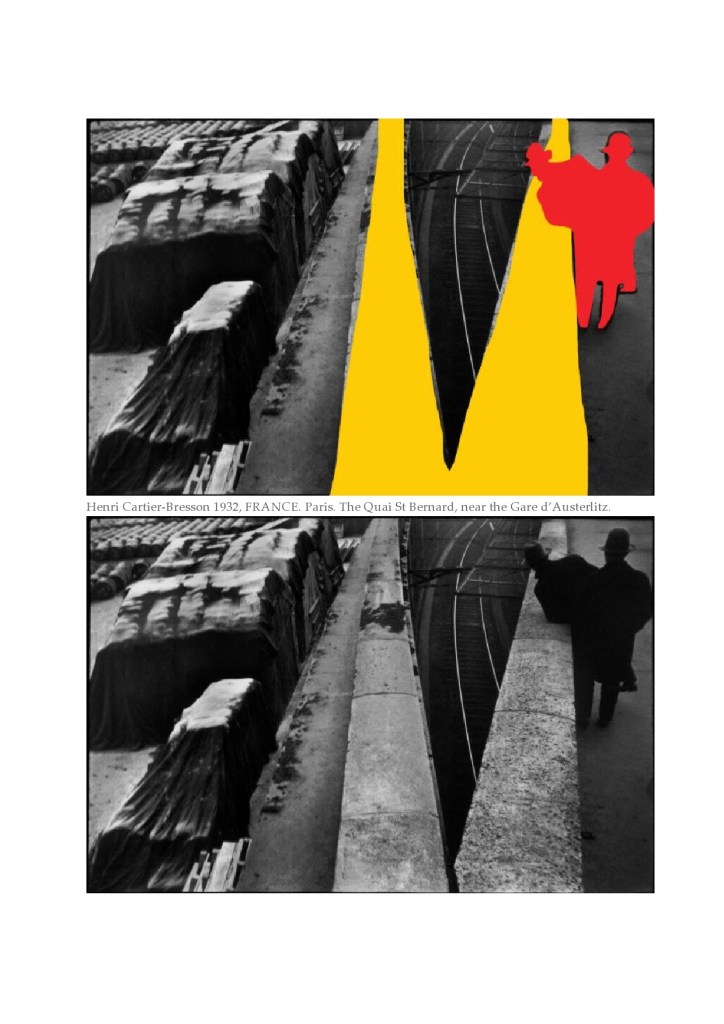
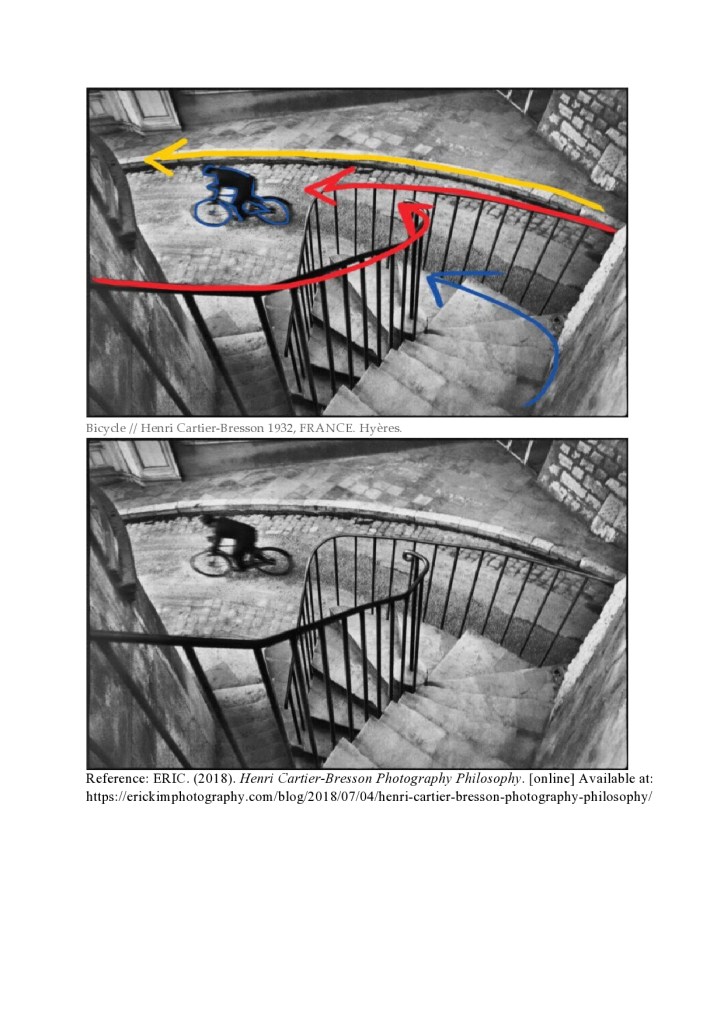
Use of Geometry
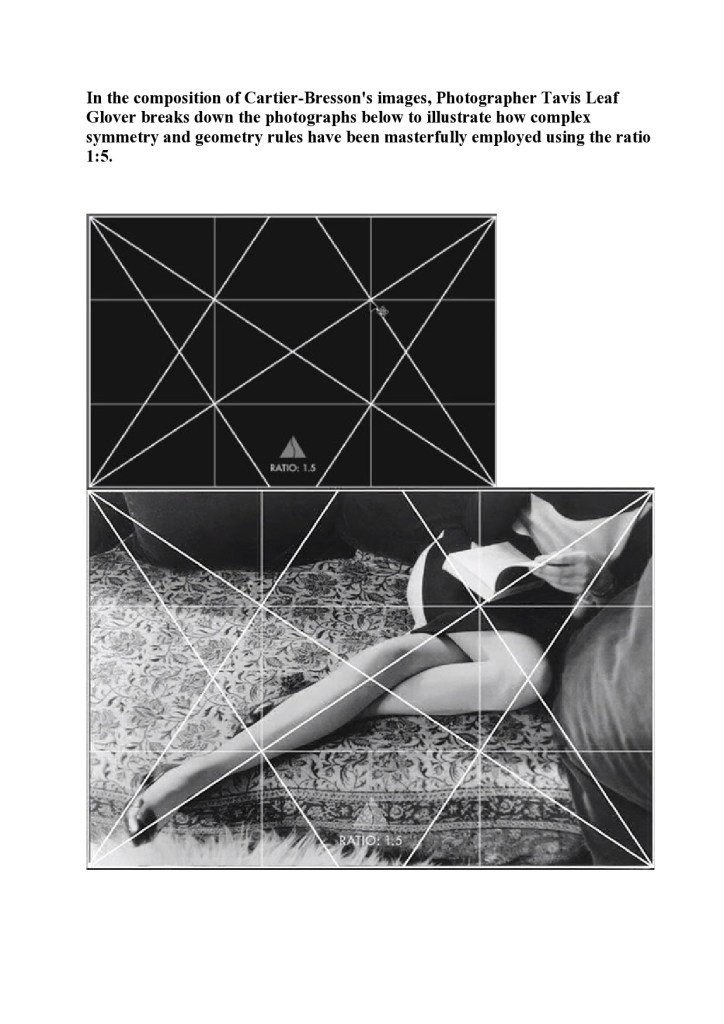
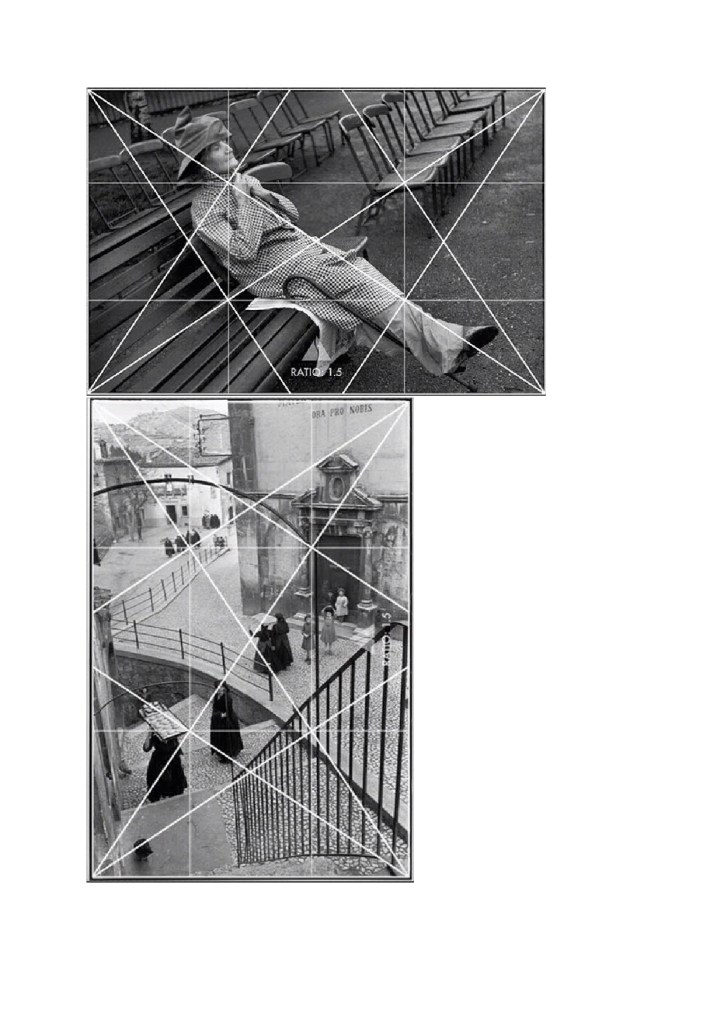
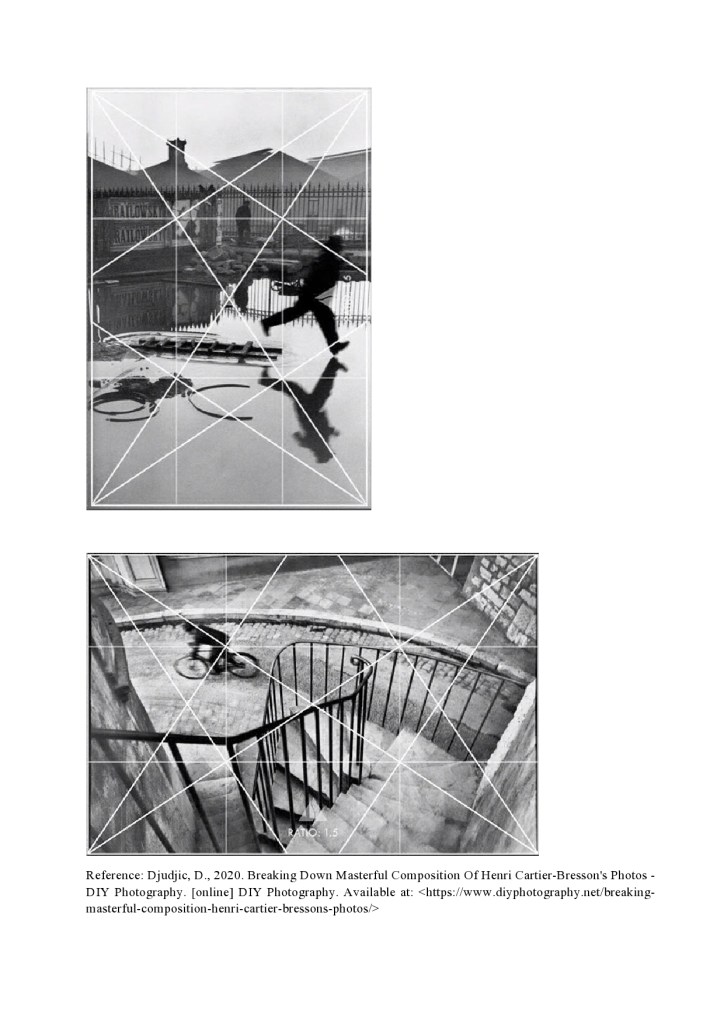
When he asked what makes an outstanding composition, his answer was geometry. He started off as a painter and he identified himself as a surrealist rather than being named a photojournalist in the early years. The distinction between excellent photography and an ordinary one may be geometry and framing just a few millimetres. He never made images and had a disdain for them. My primary emphasis is the use of symmetry, curves and visual flow.
The structure and balance of shapes within a stage is related to geometry. This interrelation of forms is almost always unchanged, which ensures that great insight and awareness must be developed and caught at a certain moment. Cartier-Bresson believed that a person was born with or wasn’t able to understand these three factors at once; it couldn’t be taught anything.
“The genius of Cartier-Bresson, was having a frame, a notion of geometry in his brain and in his eye, which he obviously had but that he used a lot when he studied with André Lhote when he looked at paintings, and when he looked at the works of Paolo Uccello for example. He spent hours at the Louvre looking at his work. He did that all his life, and it shaped his brain. When he took a picture, the frame was obvious because that was something that came naturally to him.
That was his strength because not everyone can take a picture like, for example, the photo of Saint-Lazare, of a man jumping across a puddle, with his reflection in the puddle of water, and on the wall in the background, is a poster with a man jumping in the same position. He took this photo behind a fence without being able to approach the subject completely, which he then had to frame, and that there’s only one of them because it’s just one single moment – you truly have to be able to judge distance by simply sight.”
Reference: Magnum Photos. (2018). Henri Cartier-Bresson: Principles of a Practice • Magnum Photos. [online] Available at: https://www.magnumphotos.com/theory-and-practice/henri-cartier-bresson-principles-practice/.
Magnum Photos. (2019). Henri Cartier-Bresson • Photographer Profile • Magnum Photos. [online] Available at: https://www.magnumphotos.com/photographer/henri-cartier-bresson/.
Steve’s McCurry photographic manipulation
Steve McCurry, a Magnum photographer and national geographic magazine contributor, confessed to a compilation of his photographs using the programme Photoshop to edit photos and to cross the legal red line in photojournalism which others find to be the ethical line. McCurry is remembered famously for his photograph of the Afghan Girl featured on the cover of the June 1985 issue of National Geographic. PetaPixel website broke the news earlier this month when the Italian photographer Paolo Viglione shared an image, he spotted on his Magnum photographer ‘s blog, McCurry ‘s trip to Cuba. The photo revealed remains of a street sign from the leg of a passer-by. This post led the social media users to turn around and challenge the credibility of the works of the photojournalist. After then McCurry ‘s personal profile has been erased in its entirety and included an archive of his images from some year.
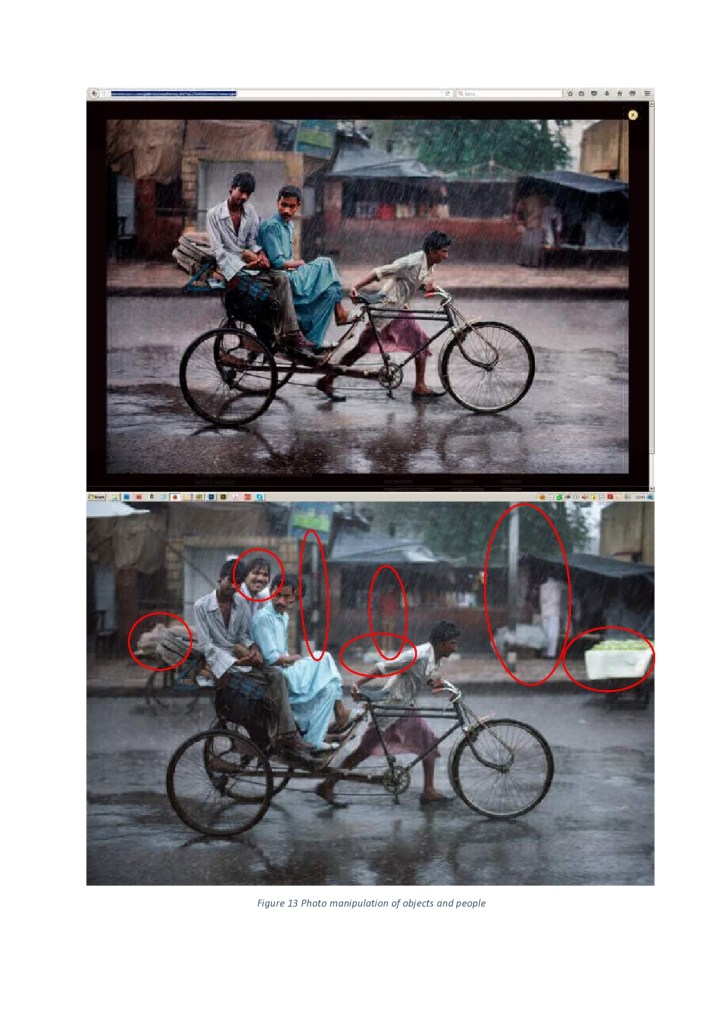
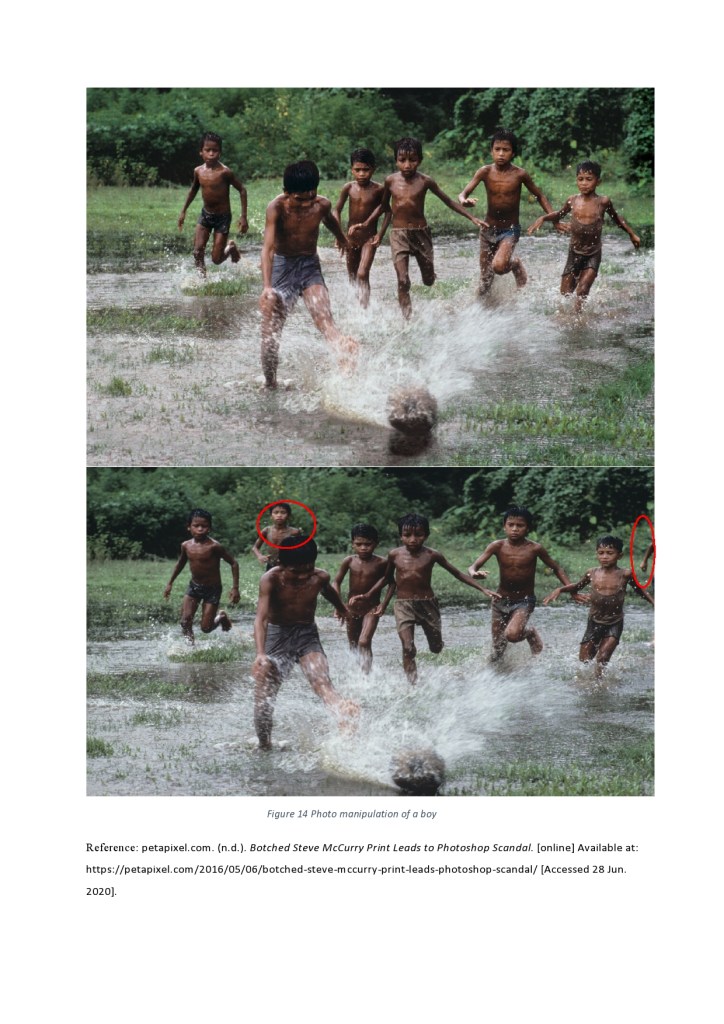
Although it is generally acceptable to process RAW camera files and slightly tweak colours and lighting using an image editing tool such as Photoshop, most picture agencies prohibit the removal or insertion of objects in the picture.
“Any alteration of the journalistic truth of his images, any manipulation of the facts, regardless of how relevant he or others might feel they are to the deeper ‘truth,’ constitutes an ethical lapse,” said Elliot.
McCurry did provide a statement to PetaPixel. We’ve added bolding to emphasize the relevant parts:
“My career started almost forty years ago when I left home to travel and photograph throughout South Asia. I went into Afghanistan with a group of Mujaheddin in 1979, and thus became a photojournalist when news magazines and newspapers picked up my pictures, published them around the world, and gave me assignments to provide more images of the war.
Later on, I covered other wars and civil conflicts in the Middle East and elsewhere, and produced photo essays for magazines, but like other artists, my career has gone through many stages.
Today I would define my work as visual storytelling, because the pictures have been shot in many places, for many reasons, and in many situations. Much of my recent work has been shot for my own enjoyment in places I wanted to visit to satisfy my curiosity about the people and the culture. For example, my Cuba work was taken during four personal trips.
My photography is my art, and it’s gratifying when people enjoy and appreciate it. I have been fortunate to be able to share my work with people around the world.
I try to be as involved as much as I can in reviewing and supervising the printing of my work, but many times the prints are printed and shipped when I am away. That is what happened in this case. It goes without saying that what happened with this image was a mistake for which I have to take responsibility.
I have taken steps to change procedures at my studio which will prevent something like this from happening again.”
Reference: Letzter, R. (n.d.). The “Afghan Girl” photographer faked some of his photos. Does it matter? [online] Business Insider. Available at: https://www.businessinsider.com/steve-mccurry-photo-editing-scandal-2016-5?r=US&IR=T
petapixel.com. (n.d.). Botched Steve McCurry Print Leads to Photoshop Scandal. [online] Available at: https://petapixel.com/2016/05/06/botched-steve-mccurry-print-leads-photoshop-scandal/.
Lee Friedlander’s social landscape photography
My next important photographer was Lee Friedlander, and I got his to know his works from a teacher who recommended him because of his ‘social landscapes,’ which are related to my own theme. Lee Friedlander is an American photographer who takes black and white images of American cities, but I don’t live in America, so my understanding of photography of the American culture is greatly influenced by him. Something we have in common, though, is that I am interested in seeing his composition, because his work is quite similar to street photography but from a different perspective on the subject he uses in his photography.
“Anything that looks like an idea is probably just something that has accumulated, like dust. It looks like I have ideas because I do books that are all on the same subject. That is just because the pictures have piled up on that subject. Finally, I realize that I am really interested in it. The pictures make me realize that I am interested in something.”
“It fascinates me that there is a variety of feeling about what I do. I’m not a premeditative photographer. I see a picture and I make it. If I had a chance, I’d be out shooting all the time. You don’t have to go looking for pictures. The material is generous. You go out and the pictures are staring at you.”
“I only wanted Uncle Vern standing by his new car (a Hudson) on a clear day. I got him and the car. I also got a bit of Aunt Mary’s laundry and Beau Jack, the dog, peeing on a fence, and a row of potted tuberous begonias on the porch and seventy-eight trees and a million pebbles in the driveway and more. It’s a generous medium, photography.”
Reference: Maher, J. (2017). Lee Friedlander, Photographing the American Psyche. [online] New York Fine Art Photography Portrait & Events, Workshops. Available at: https://www.jamesmaherphotography.com/street_photography/lee-friedlander/
Encyclopaedia Britannica. (n.d.). Lee Friedlander | American photographer. [online] Available at: https://www.britannica.com/biography/Lee-Friedlander.
I was interested in certain elements of his pictures when browsing at Friedlander ‘s work. For this case, I was fascinated by the signs, the area has a lot to give and a lot to grab. If it’s building, traffic or just signposts. Many photos seek to get them in, but I like his photo as it just shows and emphasises on one thing. Other than that, I had even come up with the notion of using signs while I was thinking about the landscape and how I could represent it in a photograph. Today, Friedlander’s work has given me more inspiration and motivated me to use signs in my own photography work.
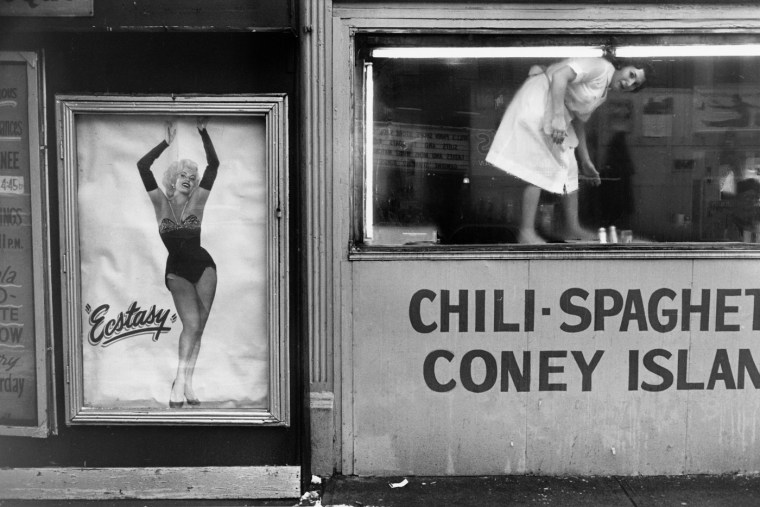
This picture was cleverly put together and I liked it very much. I had to look at the picture and unpick all the elements when first observed and to determine the context of the photograph. The first part you will see is a lady who has a lookout window in a kind of working environment. However, on the other hand, there’s a poster of a woman dressed up in a fancy attire which provokes sexual connotation of stereotype of woman.
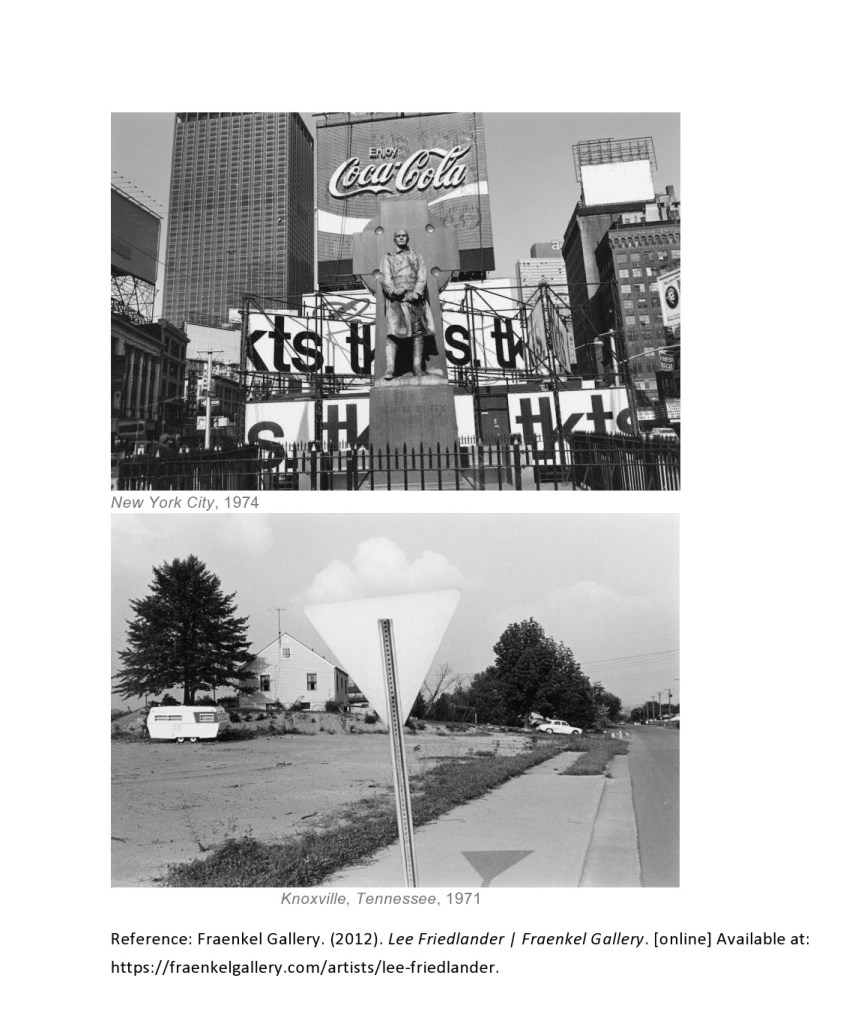
Like signs, I liked this example because it is still an urban example, but without the classical buildings it manages to do so. Often remembered for the ‘American’ scenery, Friedlander also refers to his, I believe style, retro modern American. He used disconnected images of city life, warehouse reflections, fences and banners, and signs all of which combine to understand the urban feel.
Conclusion
To me, photo theories may be of more meaningful and more complex use to interpret an image. In my opinion, a good photographer has three fundamental ingredients: camera knowledge, compositional eye and a vision of an artist. A strong composition can give us guidance, but composition will never tell us how to get closer to, relate to and open our hearts to our subjects.
A nice composition is really important. I should shoot an intimate and soulful composition for myself every day.
I am fascinated with what Cartier-Bresson claimed “taking photos is a way of interpretation that cannot be distinguished from other forms of visual communication,” and when you click the camera shutter, the bond between the object and it has been created. Yet you cannot grasp the picture completely by merely glimpsing it. A good photographer captures time; behind the images a good reader captures it. I have the impression that many of his pictures were “composition for reasons of composition.” In the world we often focused too on nice compositions, we need more humanism in our own photography, particularly in street photography.
Composition, however, is critical for me, feelings, mood and spirit. A composition will show a spectator what to see in your picture, but it cannot show your spectator how to feel in an image.
Just like Steve McCurry’s photo manipulation, he tries to invoke a strong emotion through photo manipulating and changing the perspective of his composition but in its true sense, photojournalism tended to be on the side of truth and democracy, humanism and a kind of universalized view of human experience.
I believe as a true artist, we must try to capture the essence of life, Lee Friedlander is inspired by a unique photography of his, which informs his sensitive vision, his humour, and intelligence, and his lack of pretension. Friedlander’s own images, as well as his own vision and originality, fascinated me because he influenced my photography. His photography composition seems more about the little things that makes a social environment, and I feel that often people forget about it.
According to Seize Life: Interview with Yvonne Baby (1961)
First published as Yvonne Baby, “Le ‘dur plaisir’ de Henri Cartier-Bresson,” L’Express no. 524 (June 29, 1961): 34-35. The conversation was revised by Yvonne Baby for its republication in the French edition of this volume.
“There are photographers who invent, others who discover. Personally, I am interested in discoveries, not for the trials or experiences but to capture life itself. I flee from the dangers of the anecdote and the picturesque, which are very easy and better than sensational, but quite as bad. To my mind, photography has the power to evoke, and must not simply document. We have to be abstract, just like nature.
Anybody can take photographs. I have seen in the Herald Tribune some taken by a monkey that managed, with a Polaroid camera, as well as some camera owners. It is precisely because our profession is open to everyone that it remains, in spite of its fascinating ease, extremely difficult.
If I am asked about the photographer’s role in our times, the power of the image and so on, I do not want to launch into explanations.
I only know that people who know how to look are as rare as those who know how to listen.”
Reference: en.wikiquote.org. (n.d.). Henri Cartier-Bresson – Wikiquote. [online] Available at: https://en.wikiquote.org/wiki/Henri_Cartier-Bresson?source=post_page
tutor1.net. (n.d.). Henri Cartier-Bresson. [online] Available at: http://tutor1.net/wikiquote/17905
 Allaboutphoto