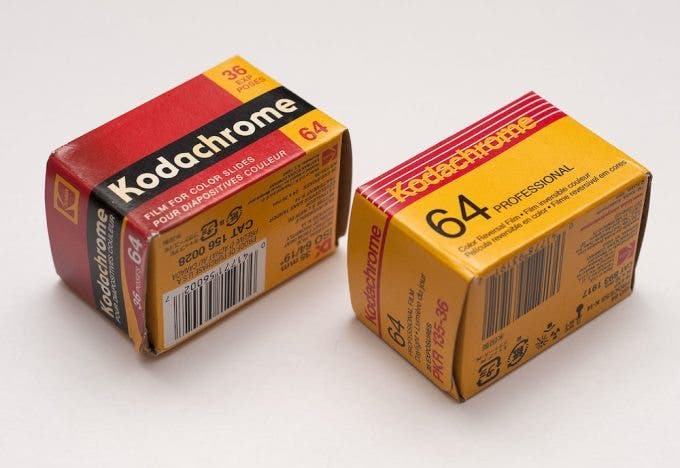
While colour photography had been around since the 1860s in some form or another, until the Eastman Kodak Company released its Kodachrome film in 1935, those wishing to capture a color photo had to deal with heavy glass plates, tripods, long exposures, and an exacting development procedure, all of which resulted in less than satisfactory pictures — dull, tinted images that were far from true to life. The Kodachrome process requires coating three emulsions, each sensitive to a different primary colour, on a single film base.Eastman Kodak created a colour reversal film called Kodachrome in 1935. It was one of the first successful colour materials, and it was utilised in both film and photography.
While many photographers were shocked, it was not a surprise when Eastman Kodak Company announced in 2009 that it would discontinue manufacture of Kodachrome. Steve McCurry, an award-winning photojournalist for National Geographic who is also one of my favourite photographers, best known for his haunting 1984 image (shot on Kodachrome) of a 12-year-old Afghan refugee girl with piercing green eyes, was one of the photographers who had long since moved on to digital imaging but was saddened by the demise of Kodachrome.
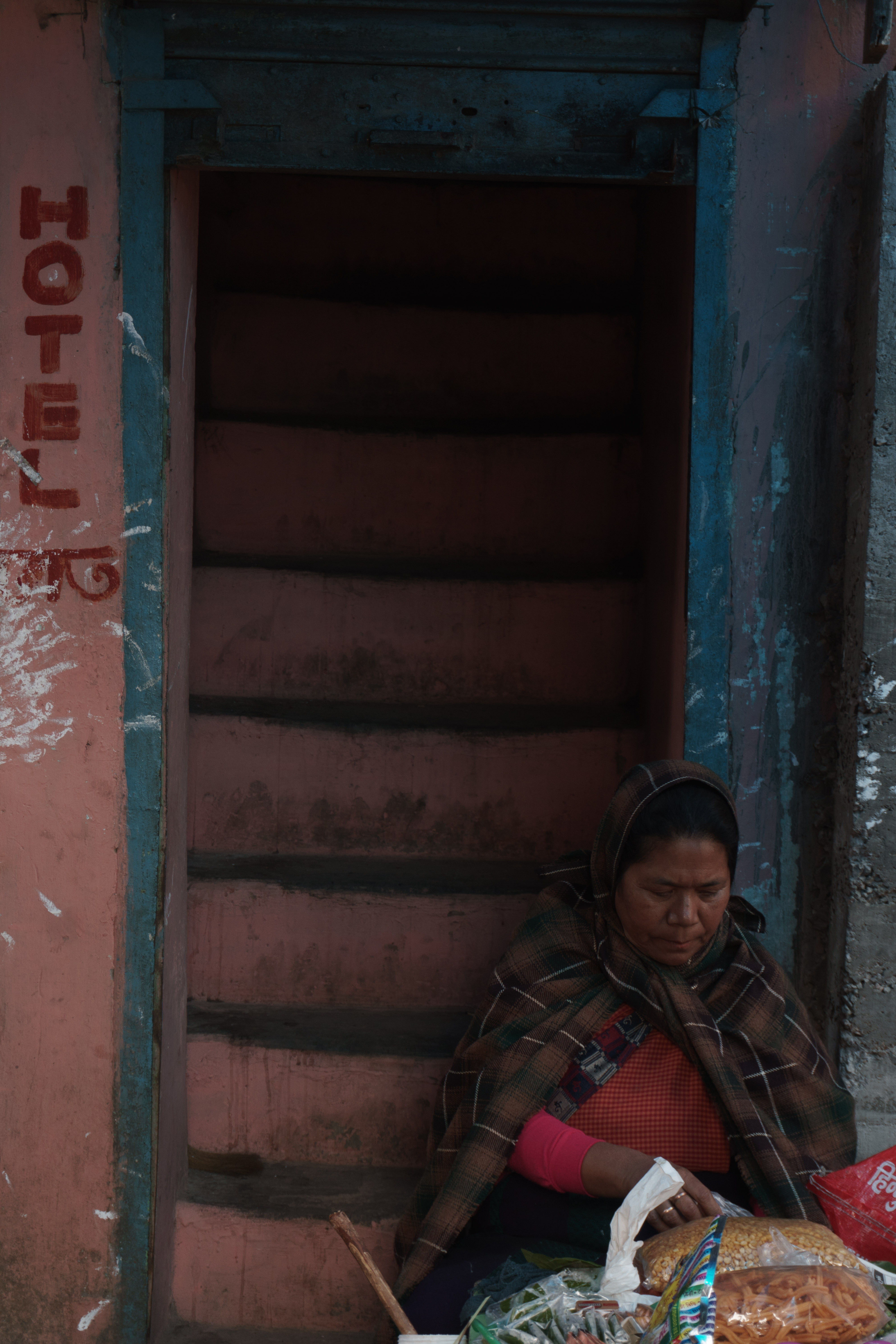
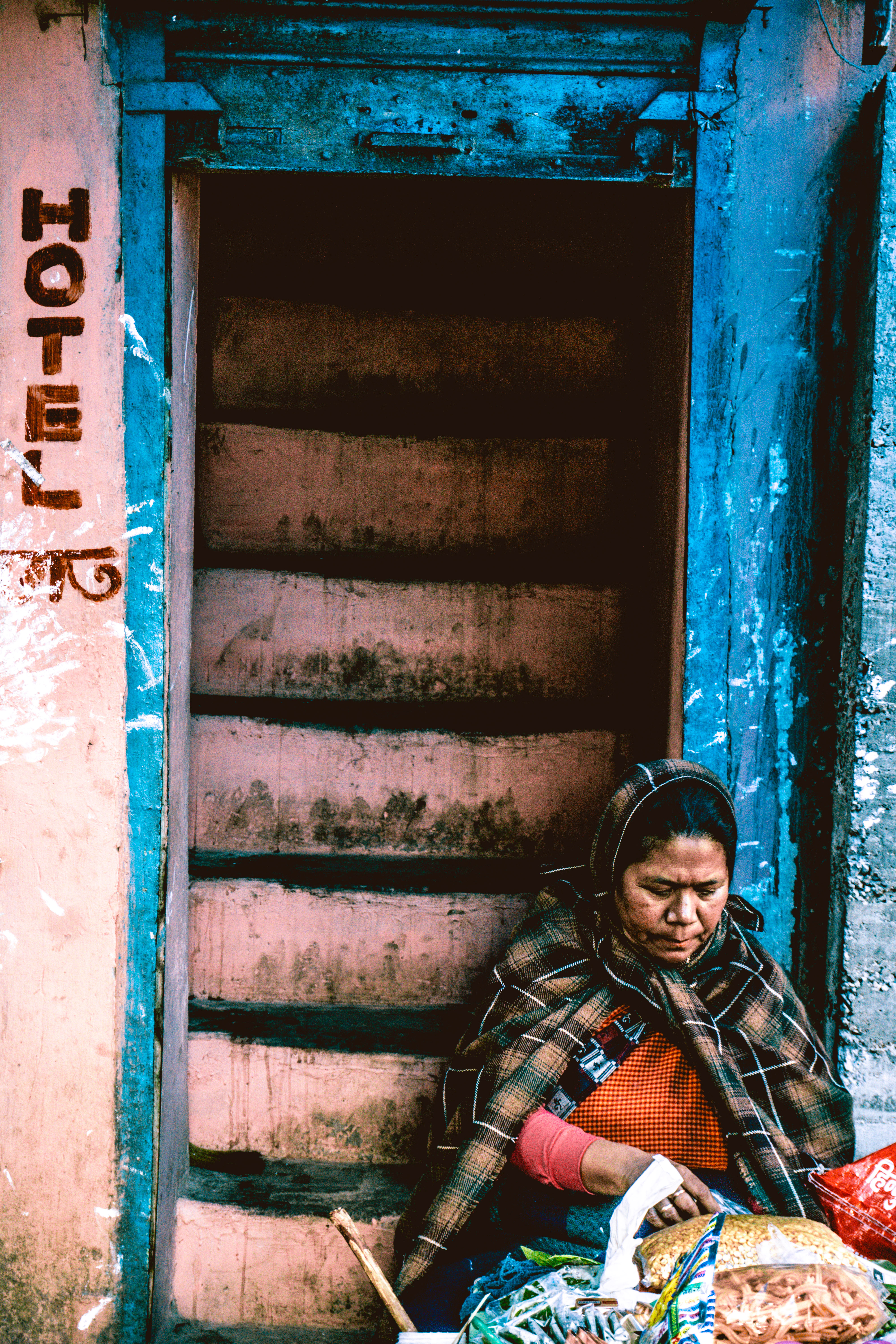
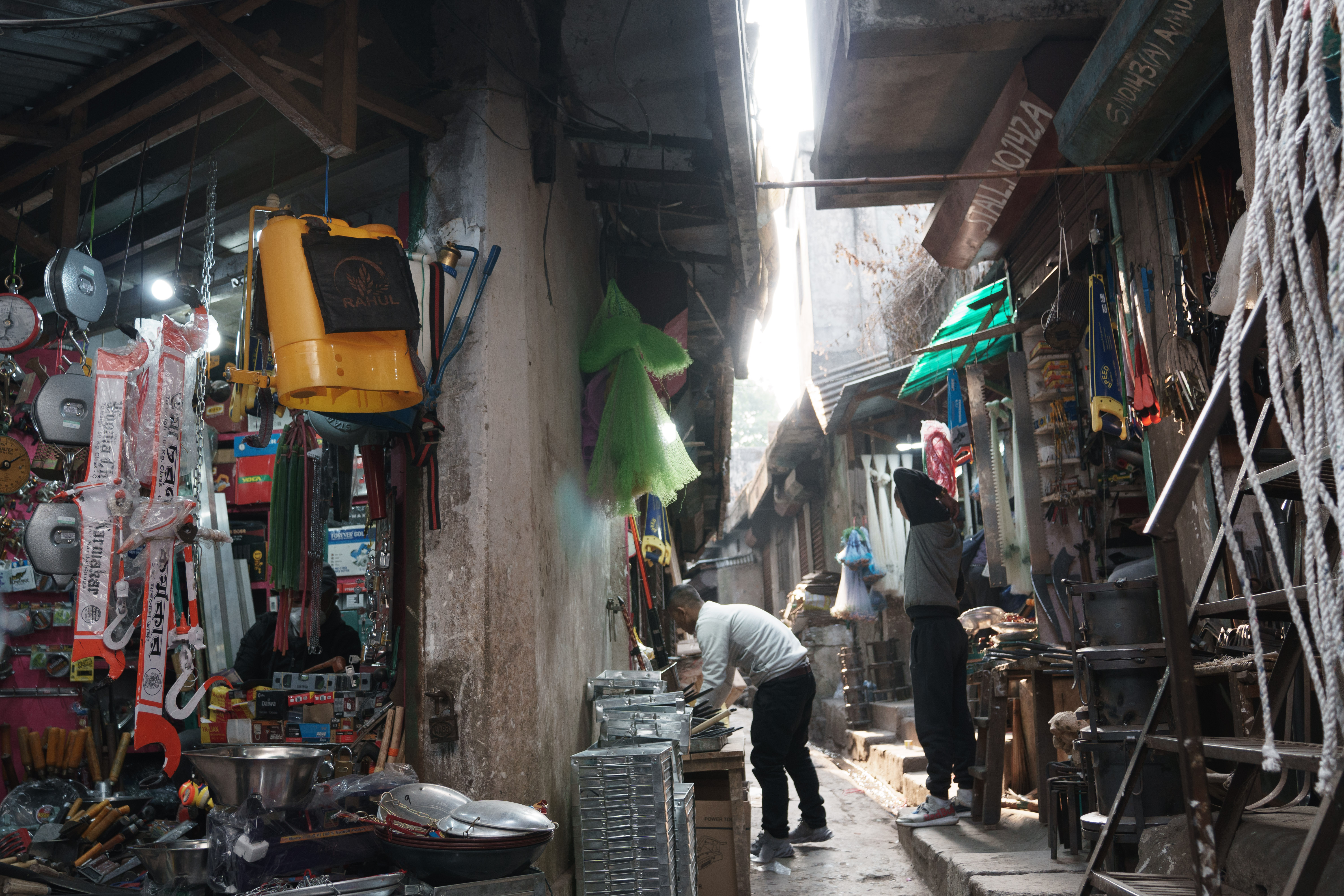
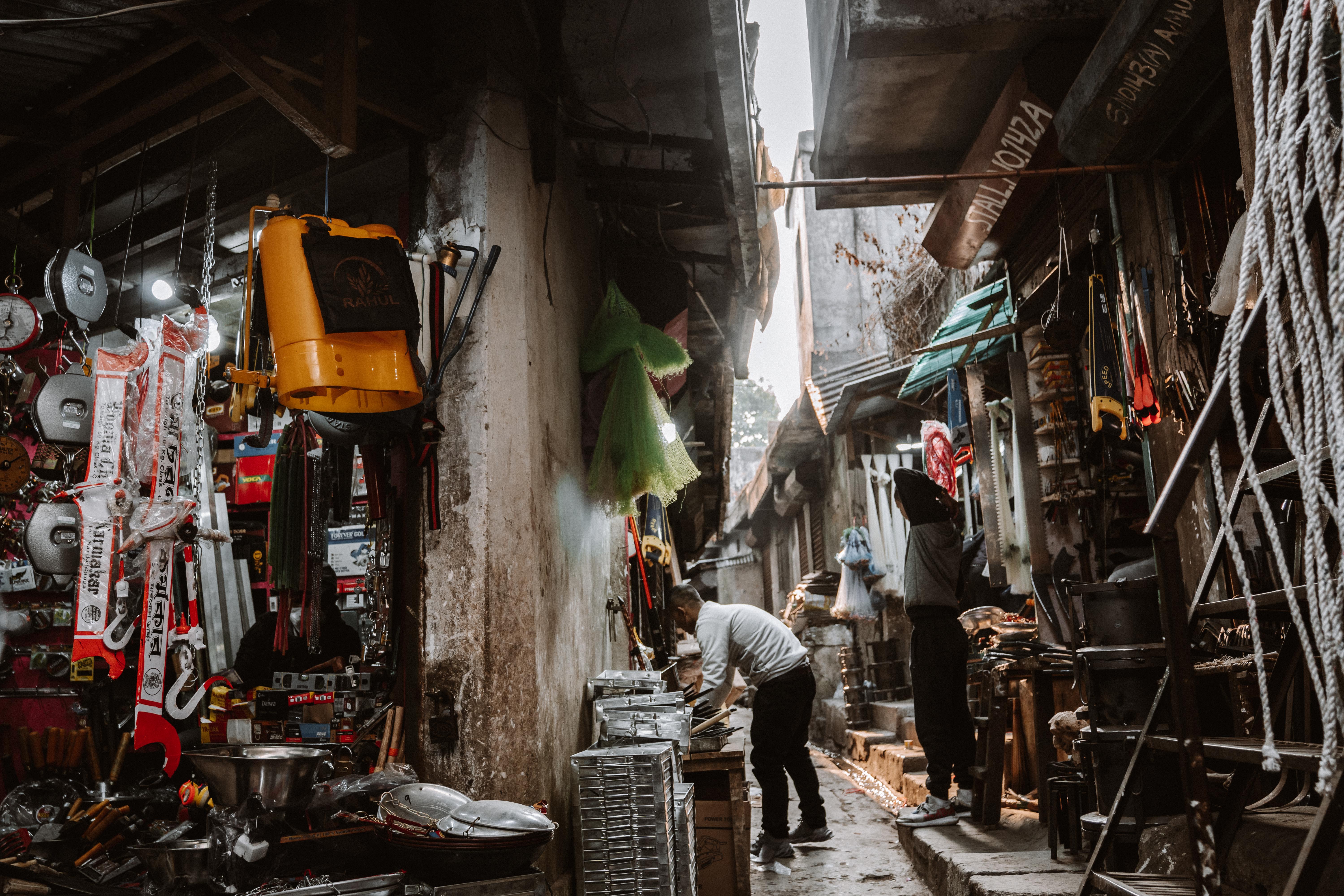
As far as the language of analog, I cannot talk much about the science behind it and the dark room processing method but I tried to my best experience to emulate it through Lightroom, digital behaves very differently and to be quite honest. My (probably superficial) take on Kodachrome was that it was highly saturated(mostly the reds) and high contrast; these two characteristics alone would be enough to create an illusion of sharpness, but it was inherently sharp and high resolution anyway.
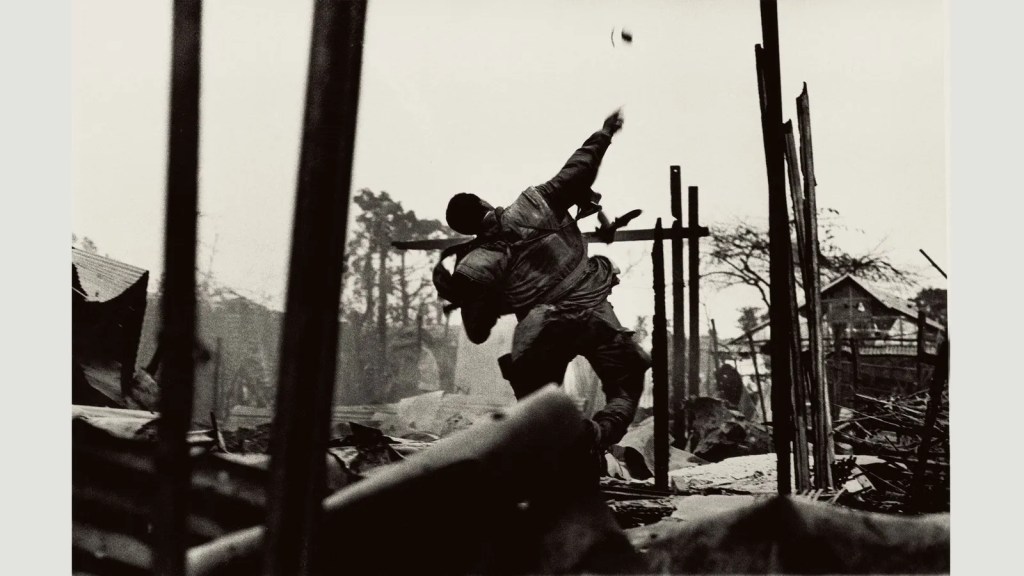
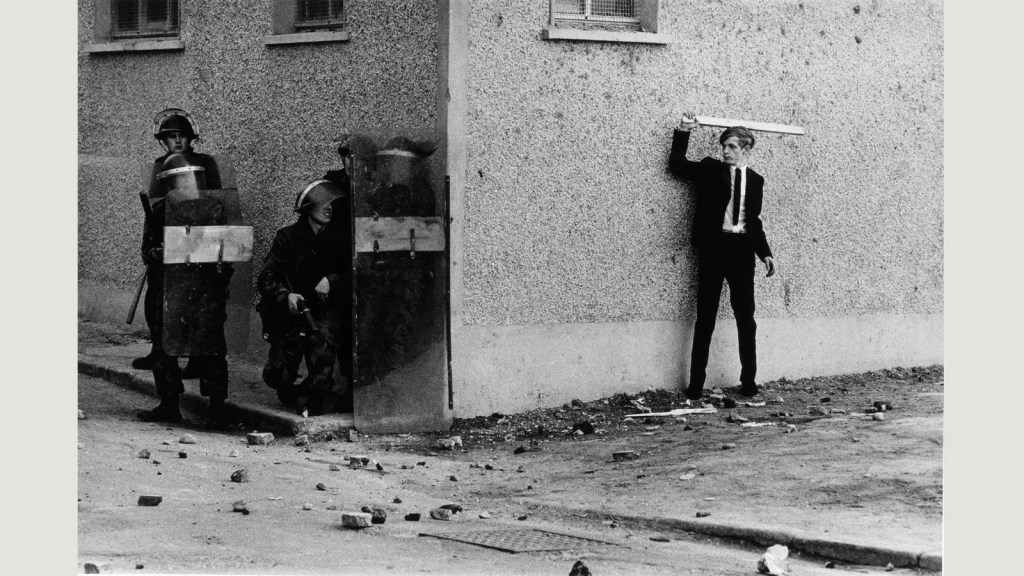
Don McCullin is one of our best photographers in the world. Few have had such a long career; none of such diversity and critical praise. He has over the last 50 years demonstrated his unmatched skill as a photojournalist. At the same time he demonstrated an adorable artist able to arrange still life elegantly, heartfelt portraits and emotional landscapes. When I first glance at his photographs, I immediately feel the emotions of sorrow and pain, it depicts an interaction that evokes sentiments and a very intimate experience which speaks about his perspective on life.
Feelings emerge from within in photography, just as they do in reality. They reflect an attitude or a state of mind, and they convey a message. Evoking sentiments and emotions is the heart of photography. It might be subtle and concealed, or specific and apparent. As an artist, there is nothing more rewarding than creating an emotive work of art. It is simple to explain the significance of emotions. It is difficult to trace their origins.
Grenade Thrower, Huế, Vietnam, 1968: the Battle of Huế was one of the longest and bloodiest in the Vietnam War (Credit: Don McCullin/Tate)
Northern Ireland, The Bogside, Londonderry 1971: “It was inconceivable at the time that the violence would continue unabated for another 25 years” (Credit: Don McCullin/Tate)
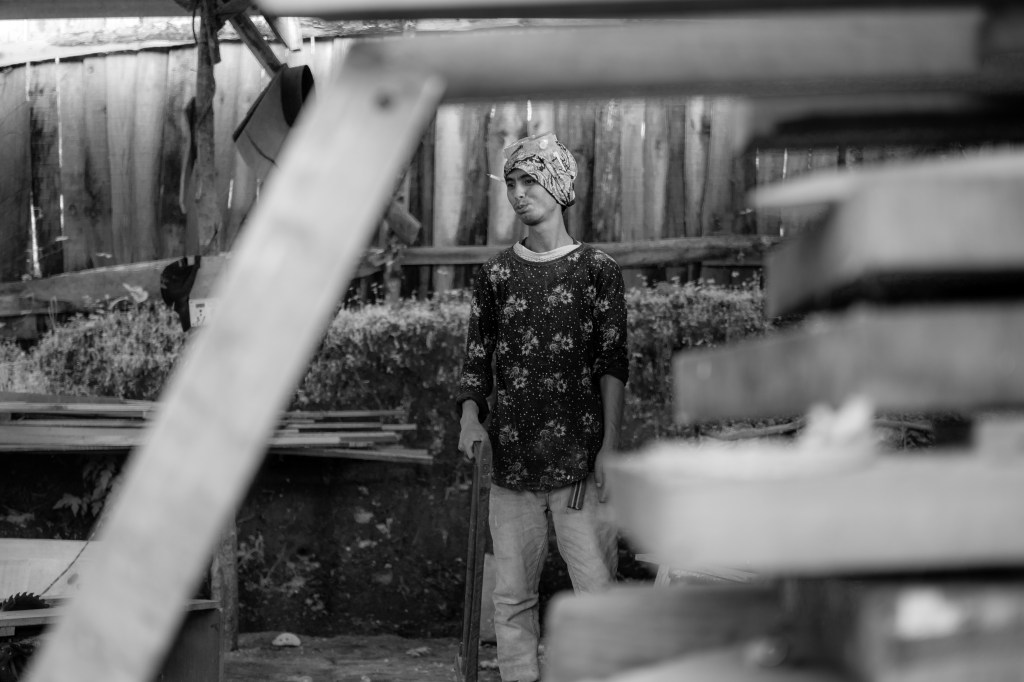
The timeline: As a photographer, I am also a film editor and a filmmaker. For this video project, I have tried to produce something which is more or less like an art film to my aesthetic sense of filmmaking (not saying it is but trying to piece the elements of it). The starting is of a clip from them engaging together but without subtitles. It is a visual which is open to interpretation for the audience experience themselves without having any pre-conceived idea or knowledge of the clip. I also wanted the visual effects/diaphragm effects or graphic effects to be less obtrusive, as it becomes less of a general photo slideshow than a film for aesthetics of photography. After the clip, comes the introduction, then the photos of the carpenters, after that come the photography-documentary portrait interview with them( I cannot interview everyone, only a few), then a series of video clips( in color) then which conveys a short opening into their lives, which is the purpose of looking at moving subjects and their environment for the purpose of allowing the audience to settle in, now the purpose of black and white is to convey a two- dimensional sense or an emotional quality that purposely resonate with them, then the transition to technicolor,the representation of light, darkness to light,for them is having that experience of going back to society and encouraging them to break that disconnection or psychological disability with society or families.
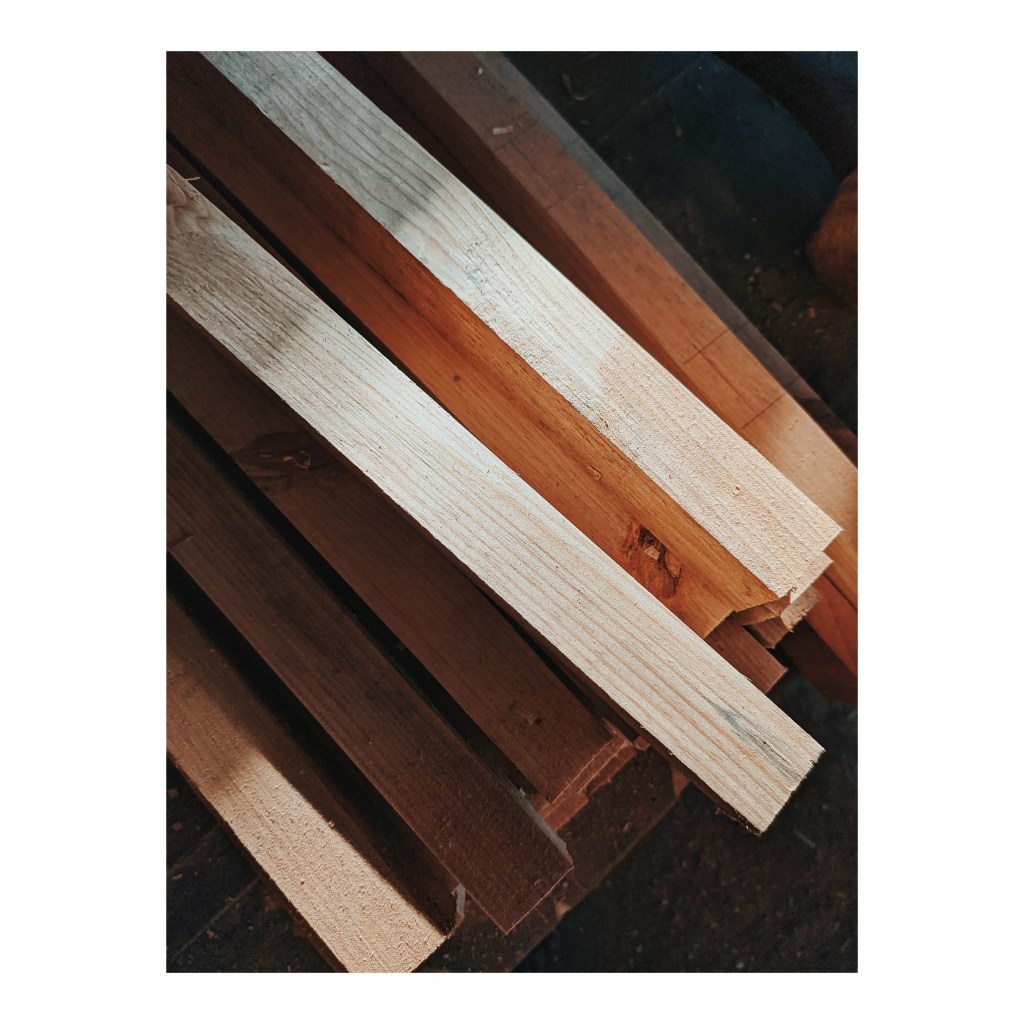
The audio: I have my zoom h1n recorder which I’ve been using for the ambience recording. For this project, it has been a really interesting experience in using the ambience from the wood workshop as an audio feature on the photo-film( which initially Kerry had suggested). Well, it really worked! and I was amazed to realised how much of a difference it is, as compared to a moving still with audio. The quality of the audio is quite amazing, to both visual and audio elements without blending in or synchronization but yet it is blended together but has it own quality and characteristics.
The experience: For a normal person , the video and audio elements are well crafted for their experience but for a person with hearing loss, it would be the visual aspect only. I have a suggestion for the audience, at first, have the full experience of the film by watching till the end, then after the first view, try to experiment by allowing oneself to focus only on the visual while muting the sound, try experiencing the visual and resonate with the idea of the embodiment of the characters or individuals in the documentary to your personal experience.
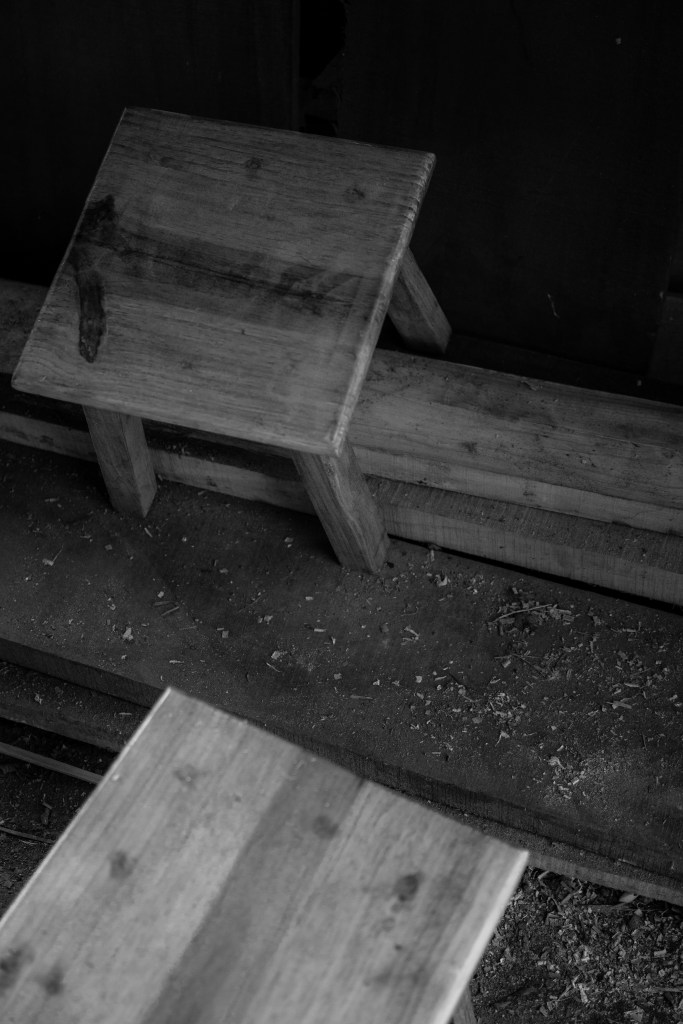
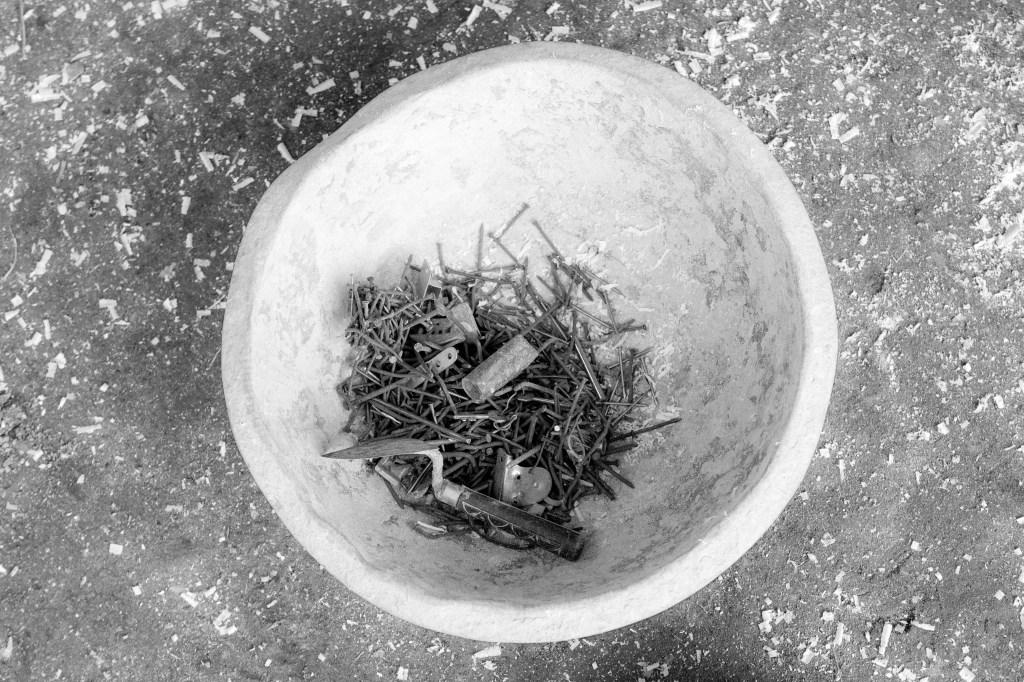
My next step in this project, is to look at unfamiliar things that are always being neglected by the eye. I’ve tried to resonate with Lee Friedlander’s social landscape photography, as he is one of my biggest inspiration in photography. He does have a remarkable ability to organise a tangled mess of seemingly insignificant stuff into powerful compositions within a photograph’s frame. He values and makes use of the camera’s ability to capture anything within the frame, no matter how insignificant and less importance. The details that we neglect would be captured by the camera as willingly and democratically as the main subject.
“Pain is Pain. Broken is Broken. FEAR is the Biggest Disability of all. And will PARALYZE you More Than Being in a Wheelchair.” ― Nick Vujicic
The word ‘disabled’ is commonly used for persons with different sorts of physical and mental problems identified. The phrase is not precisely wrong – circumstances which often limit normal operation in social contexts. But are we correct when we term them disabled? For those who have diverse types of physical and mental difficulties, the phrase ‘disabled’ is widely used. This statement is not exactly inaccurate – conditions that frequently hinder proper functioning in social situations.
But are we right when we call them DISABLED?
People who have mental or physical impairments are differently abled because they have a distinct set of abilities and talents, it’s just a question of recognising it. ‘Differently abled’ does not conceal the reality that your loved one has a disability, but rather empowers them in the face of it. Differently abled individuals can often see what we can’t, hear what we can’t, and think what we can’t. This distinguishes their abilities – not as lesser or greater, but as distinct.
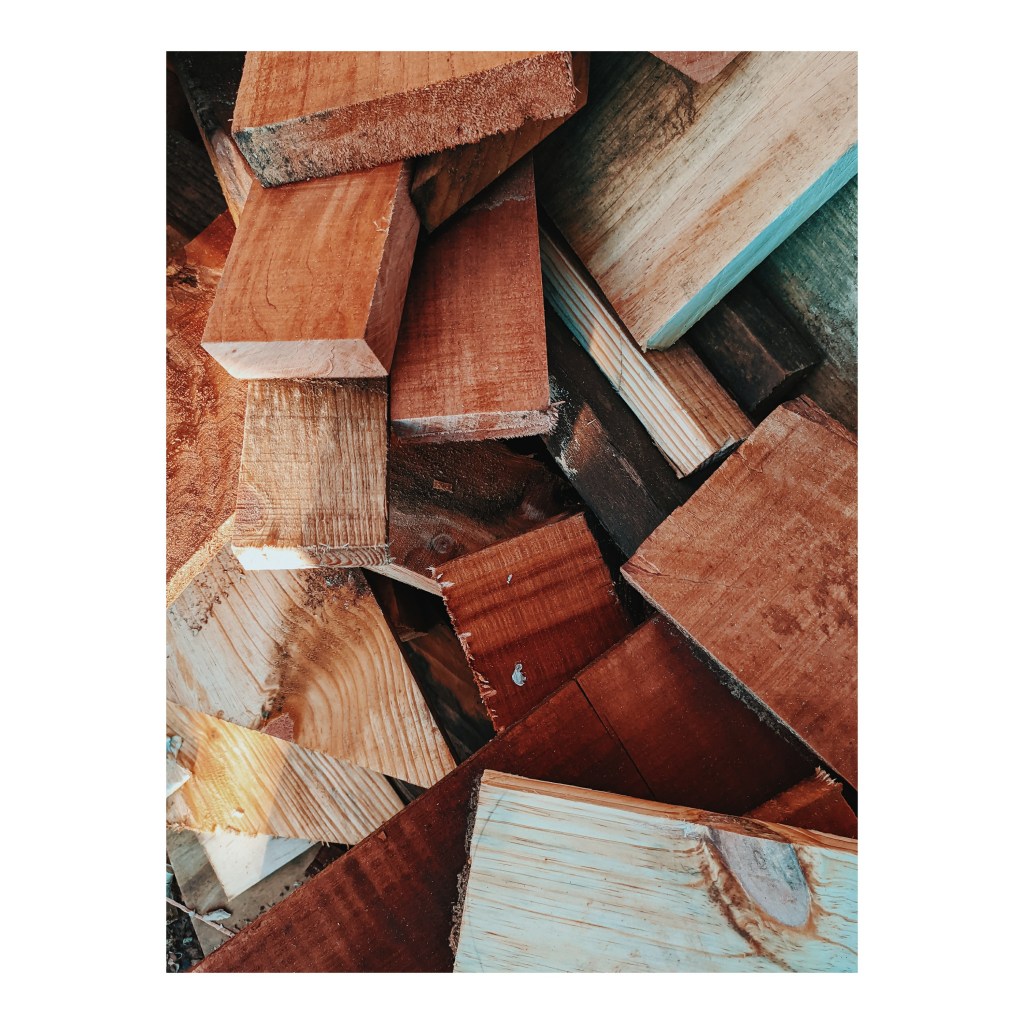
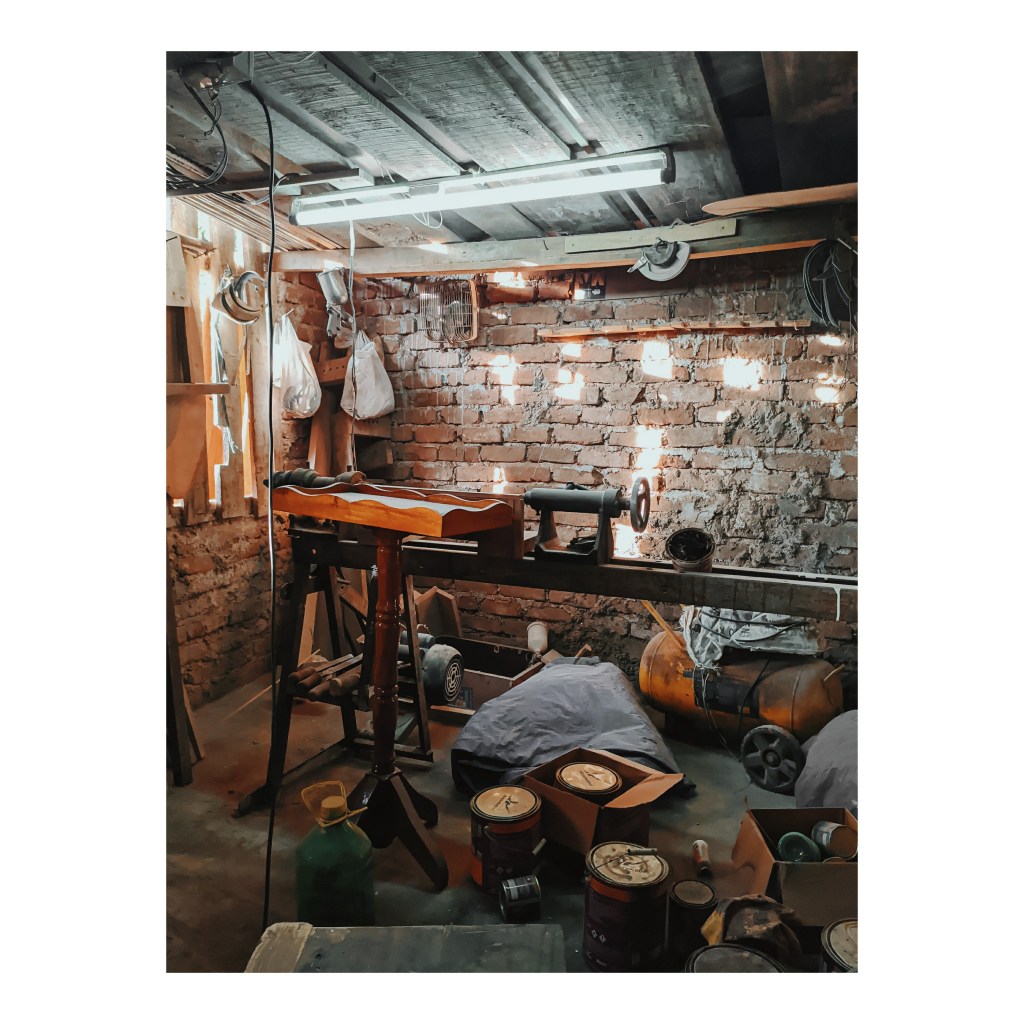
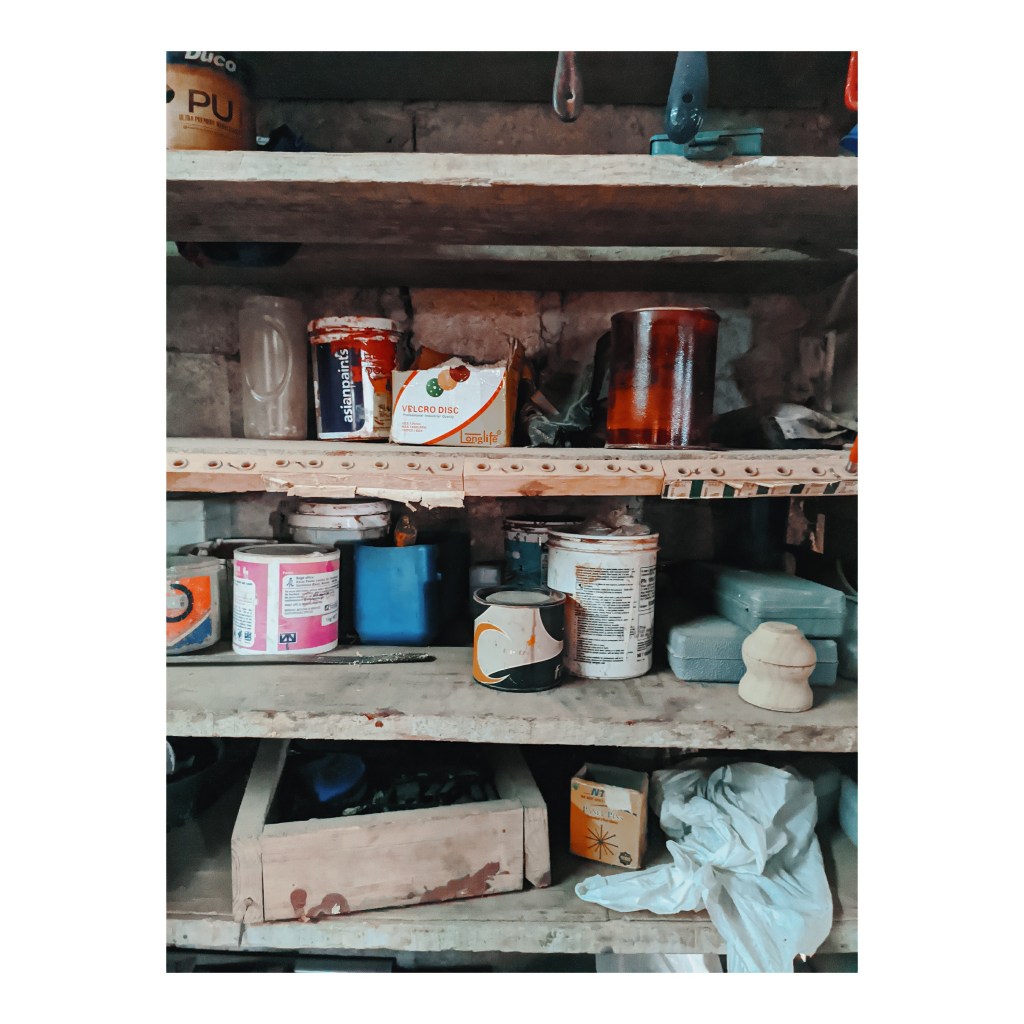
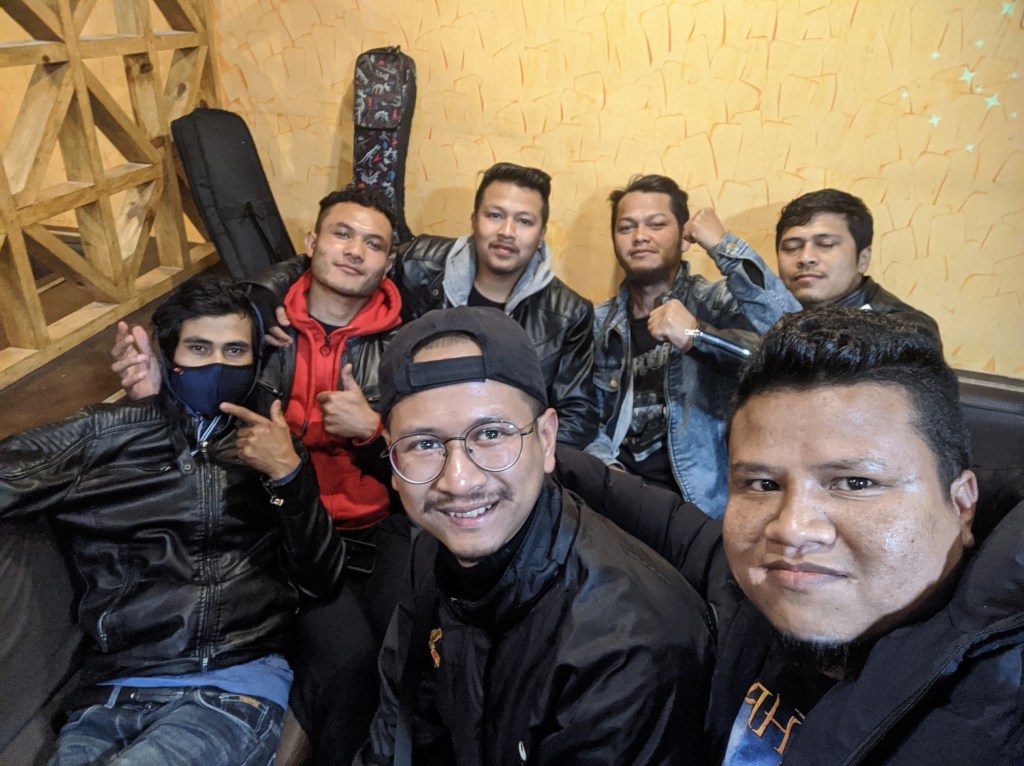
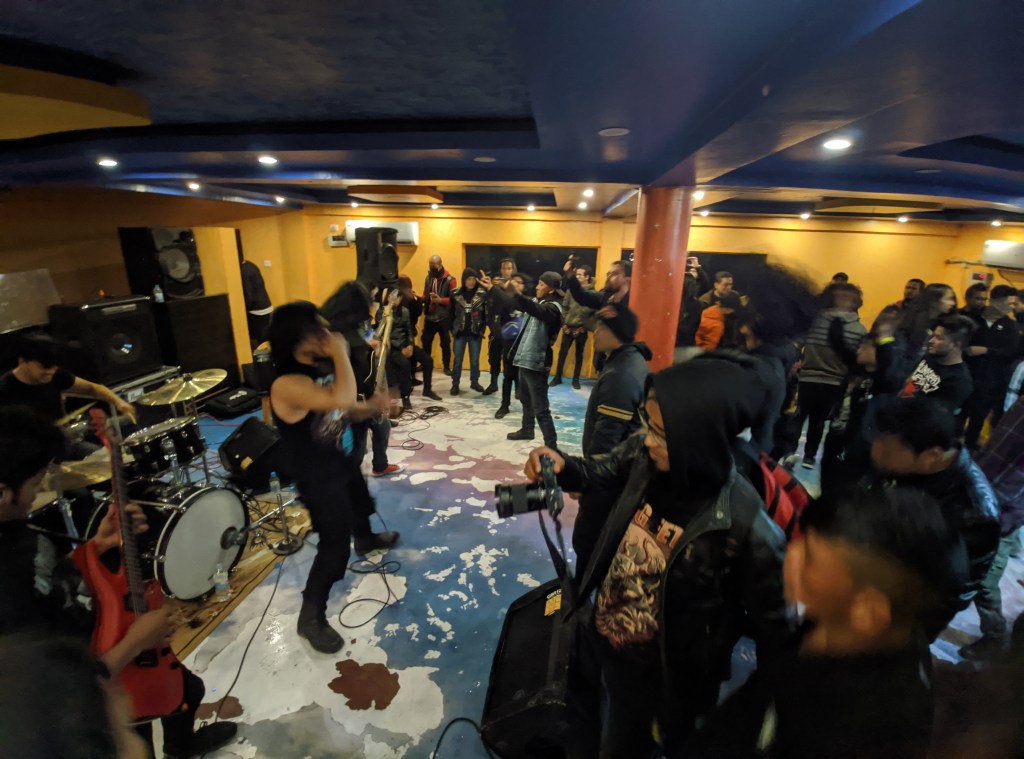
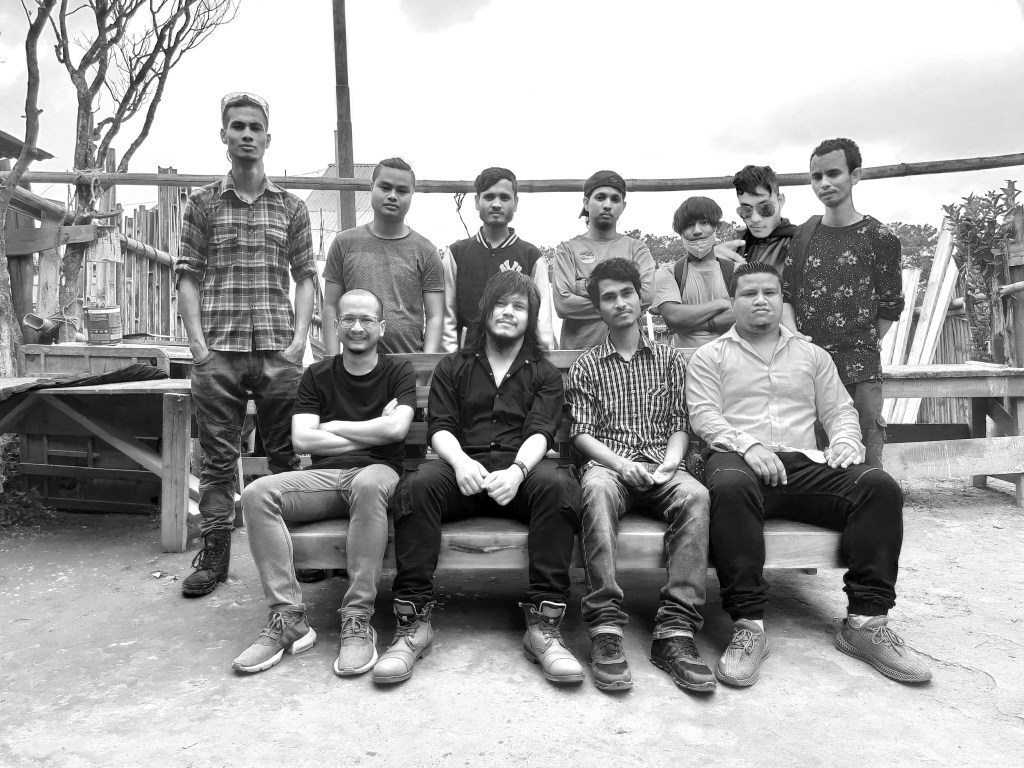
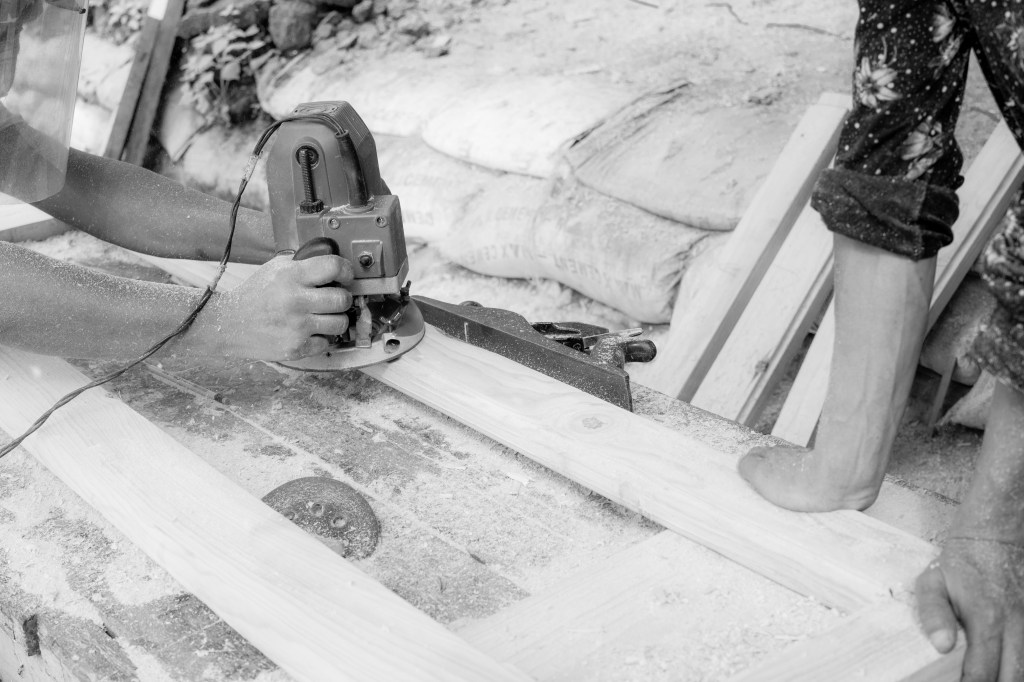
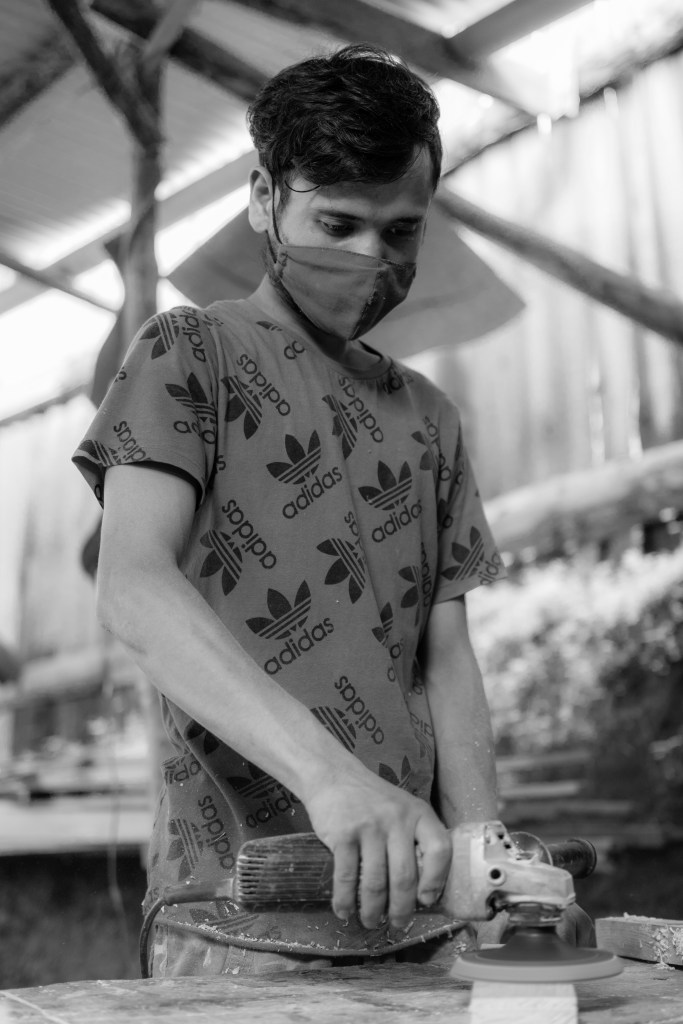
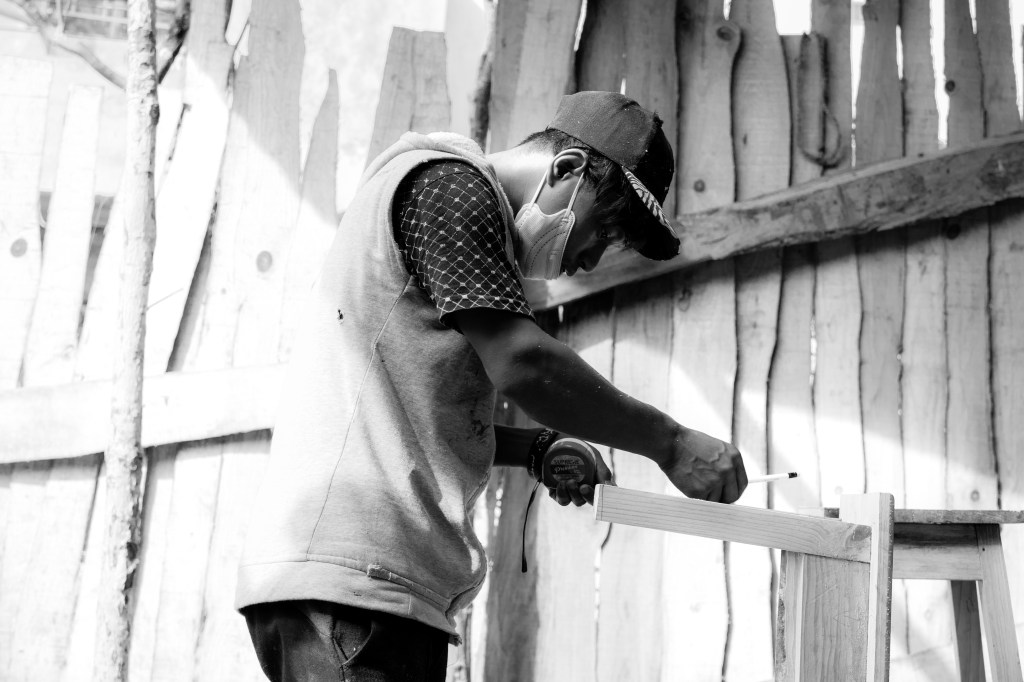
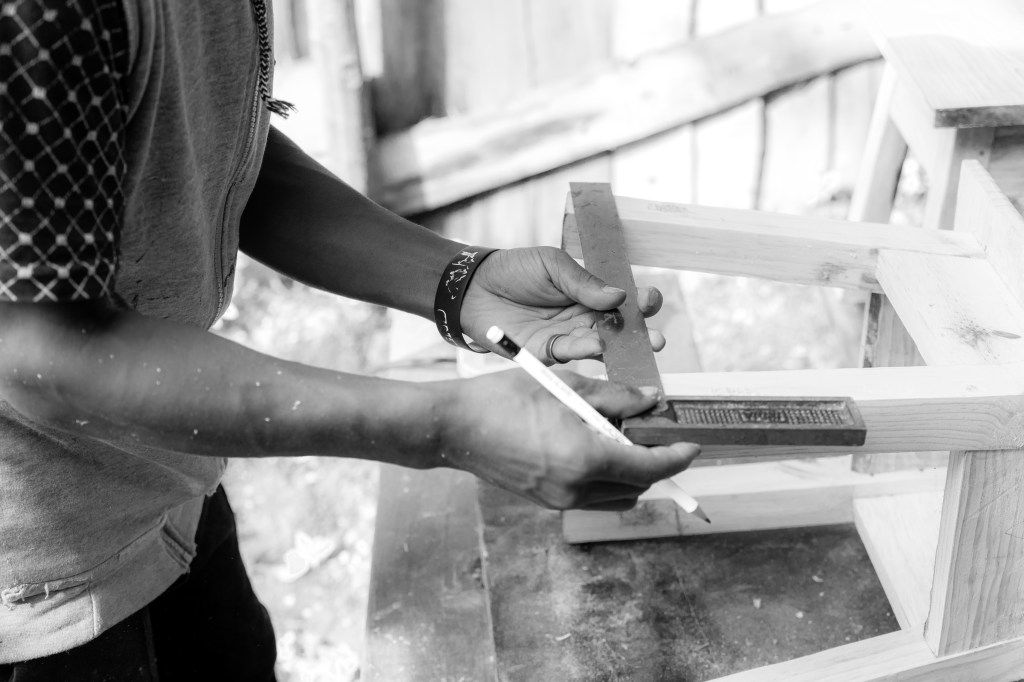
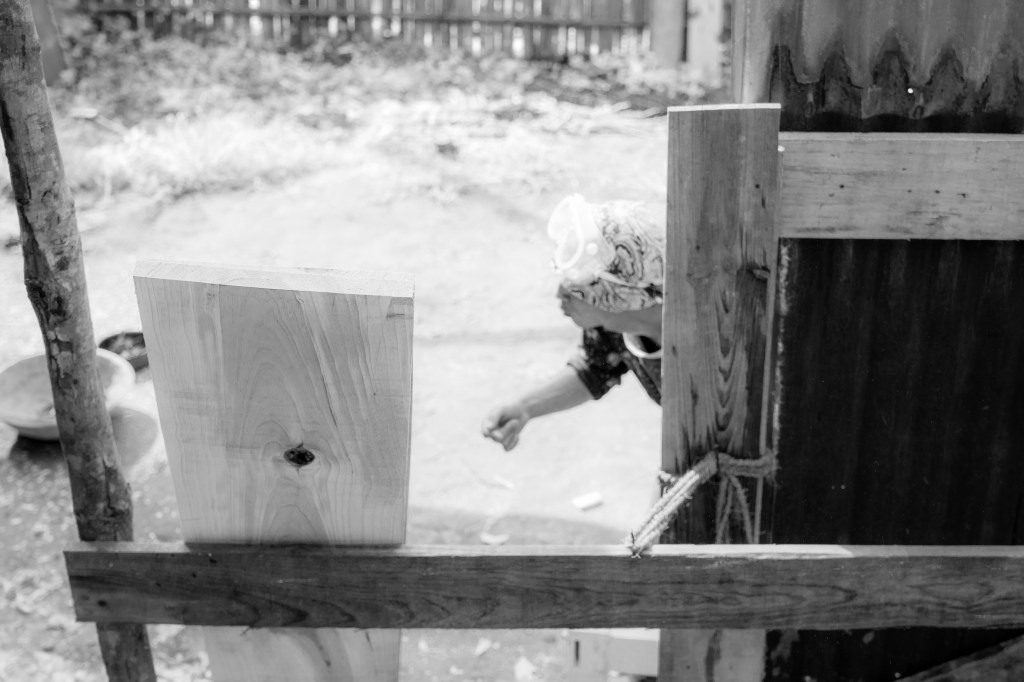
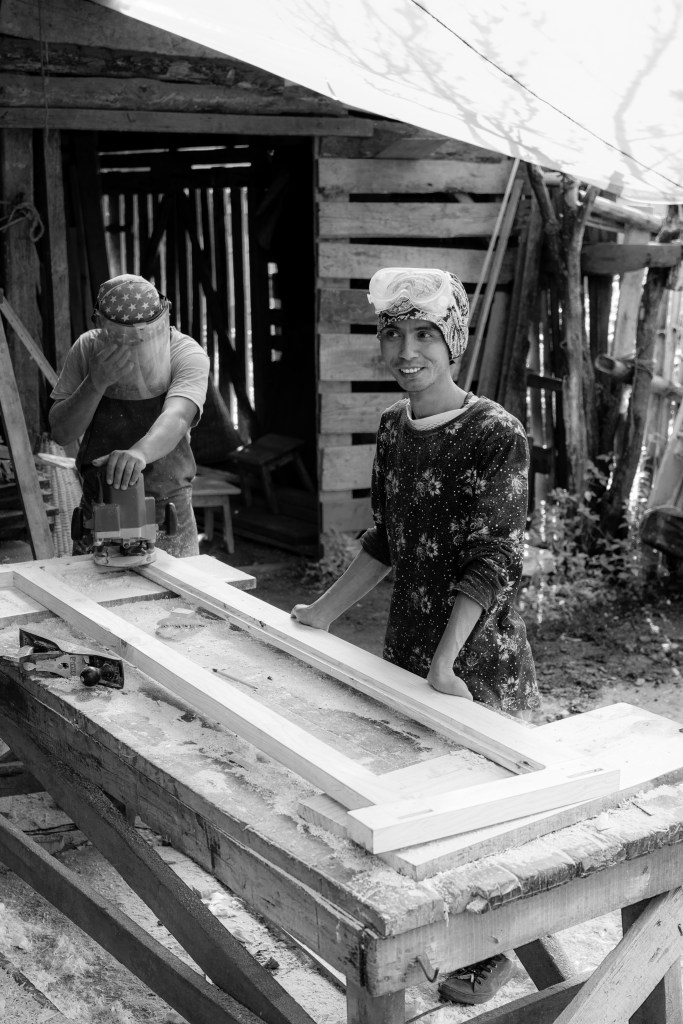
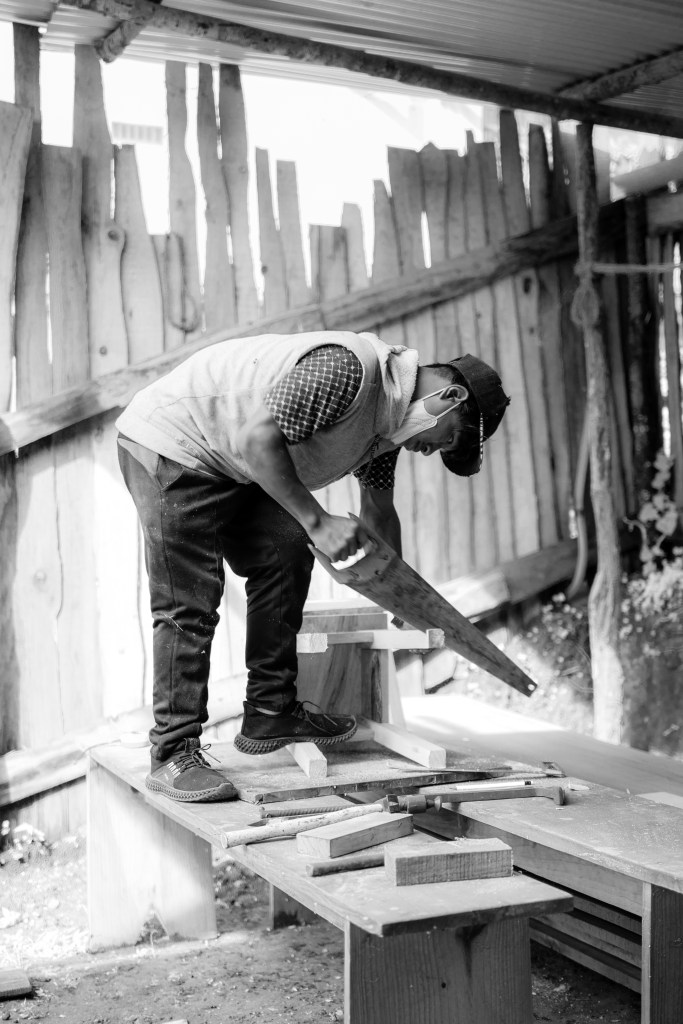
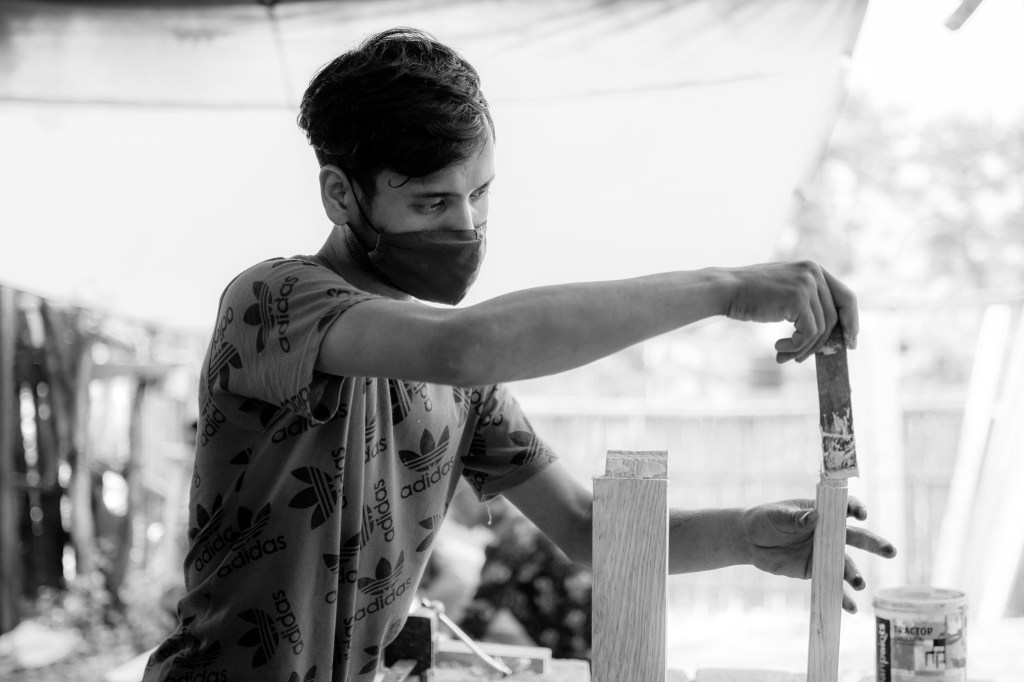
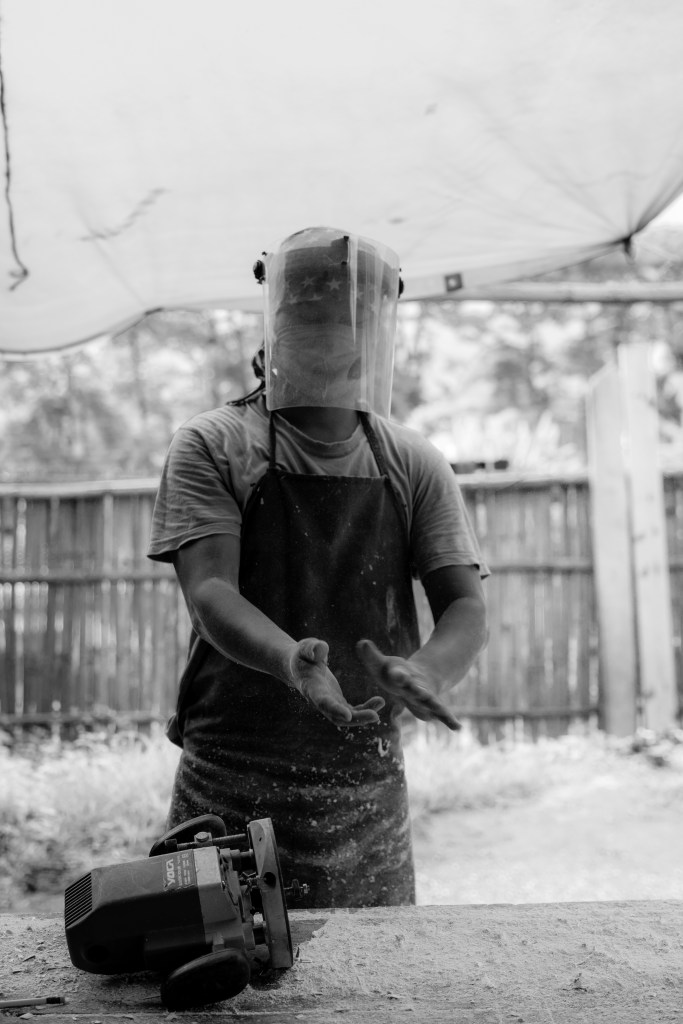
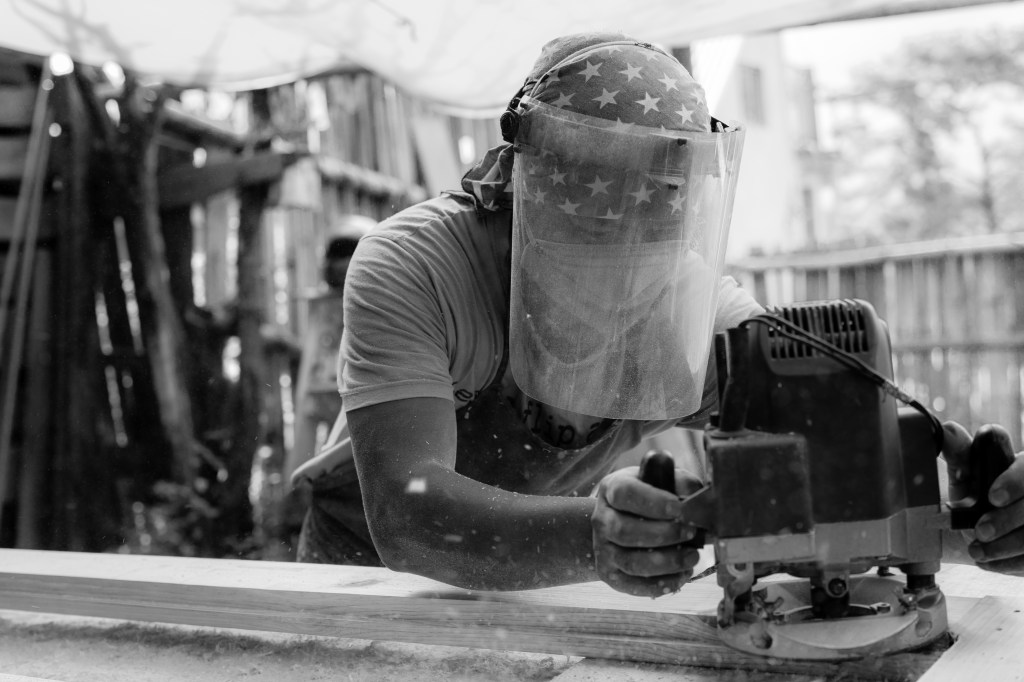
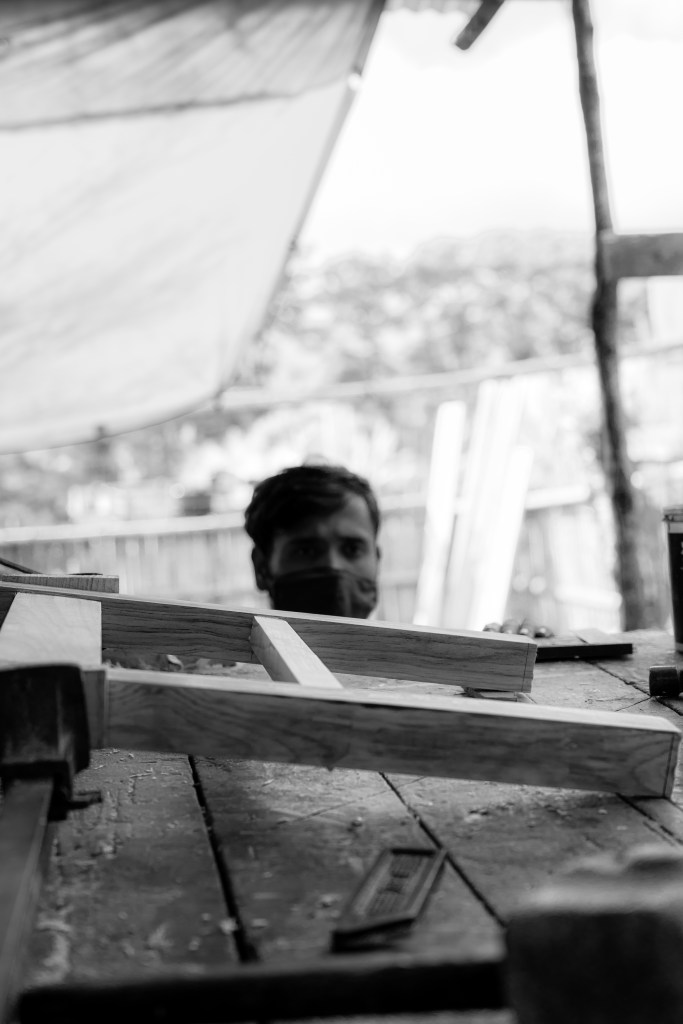
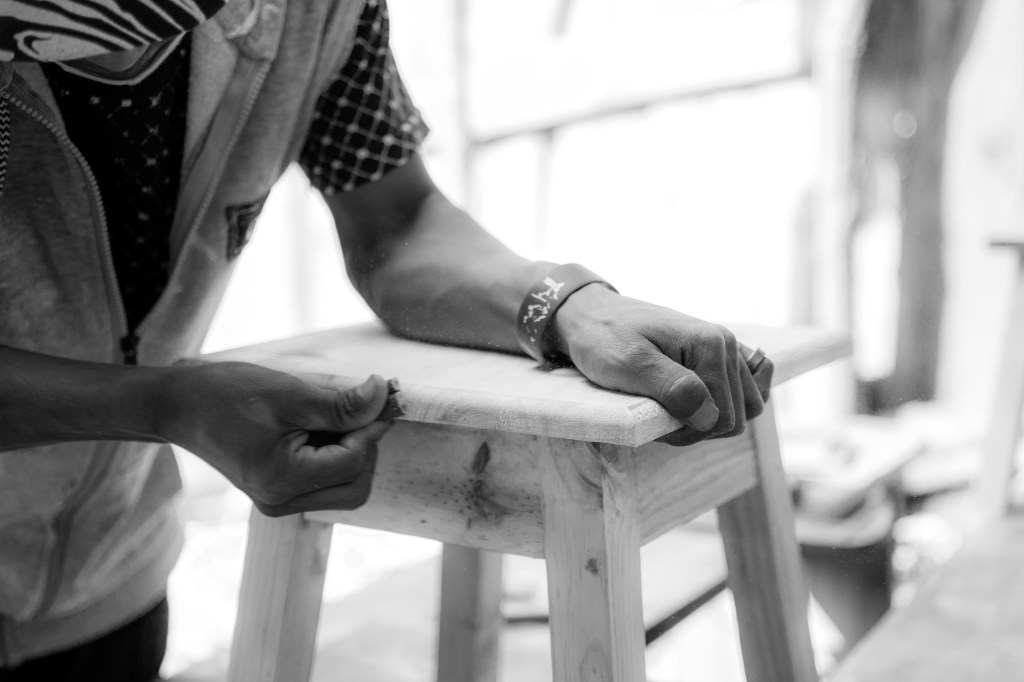
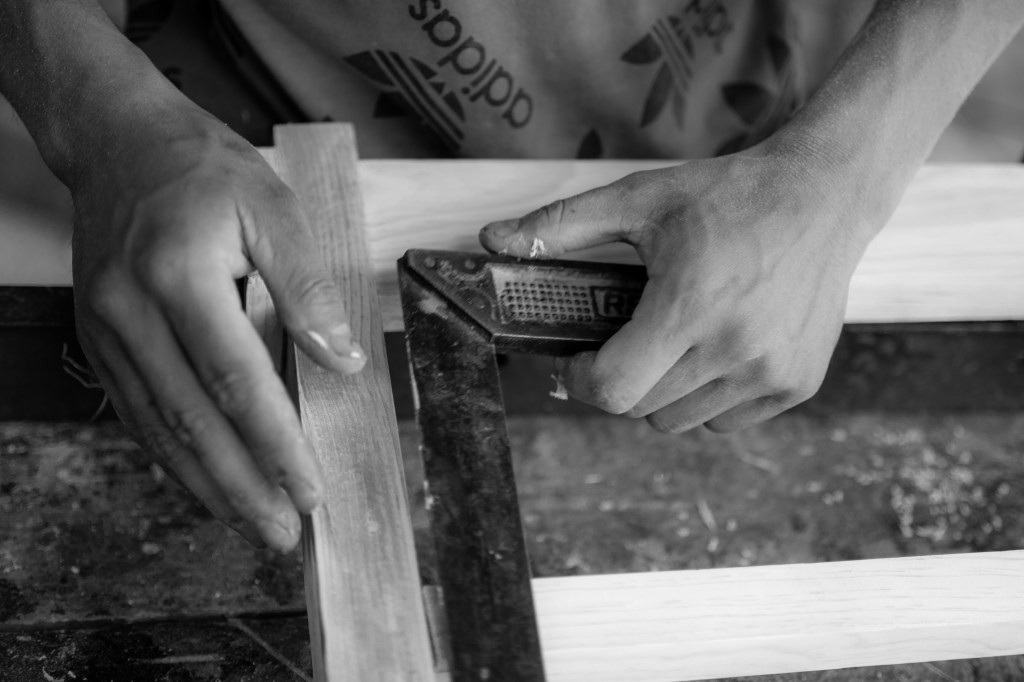
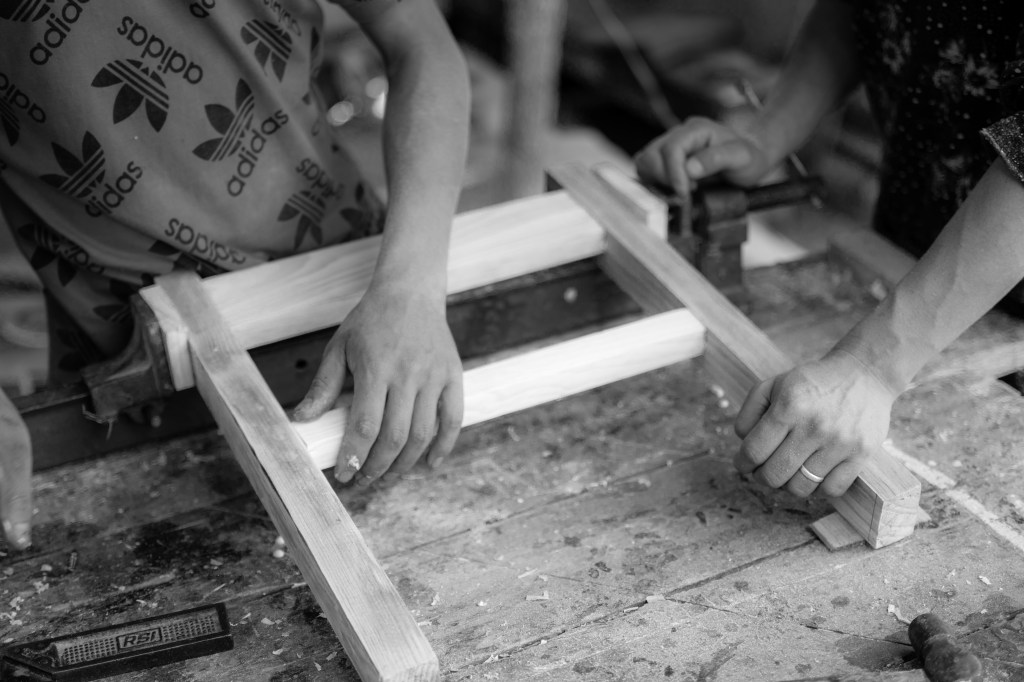
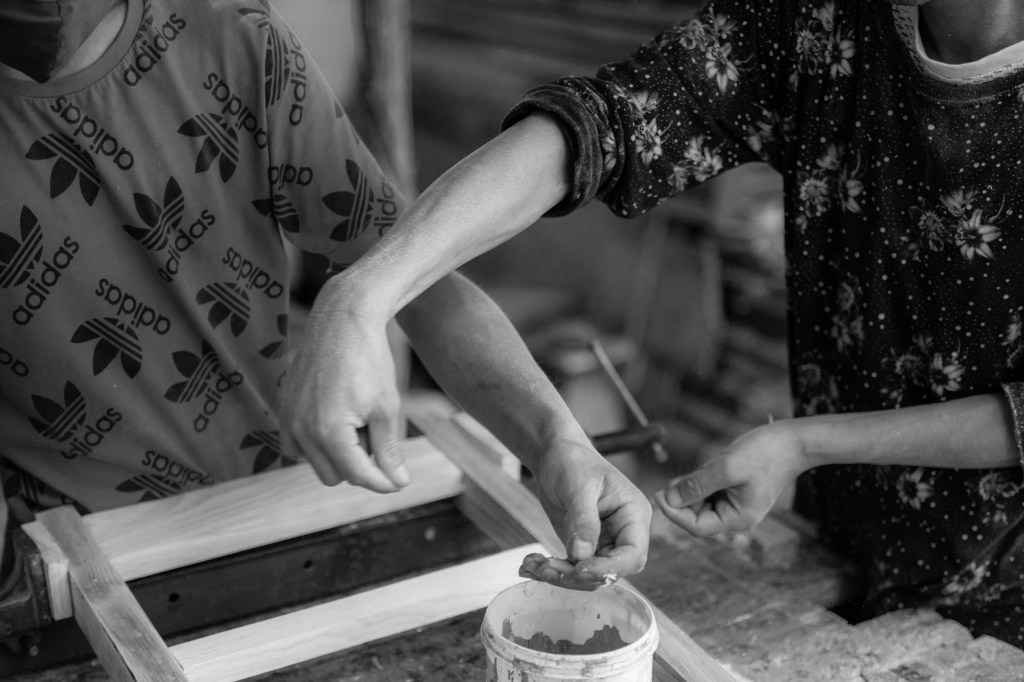
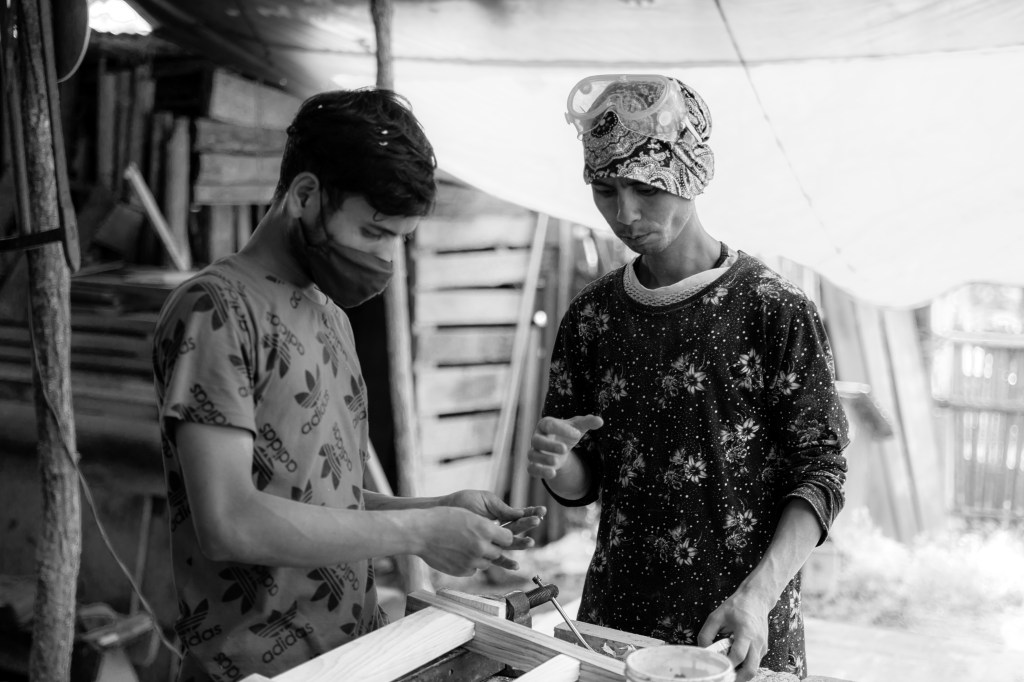
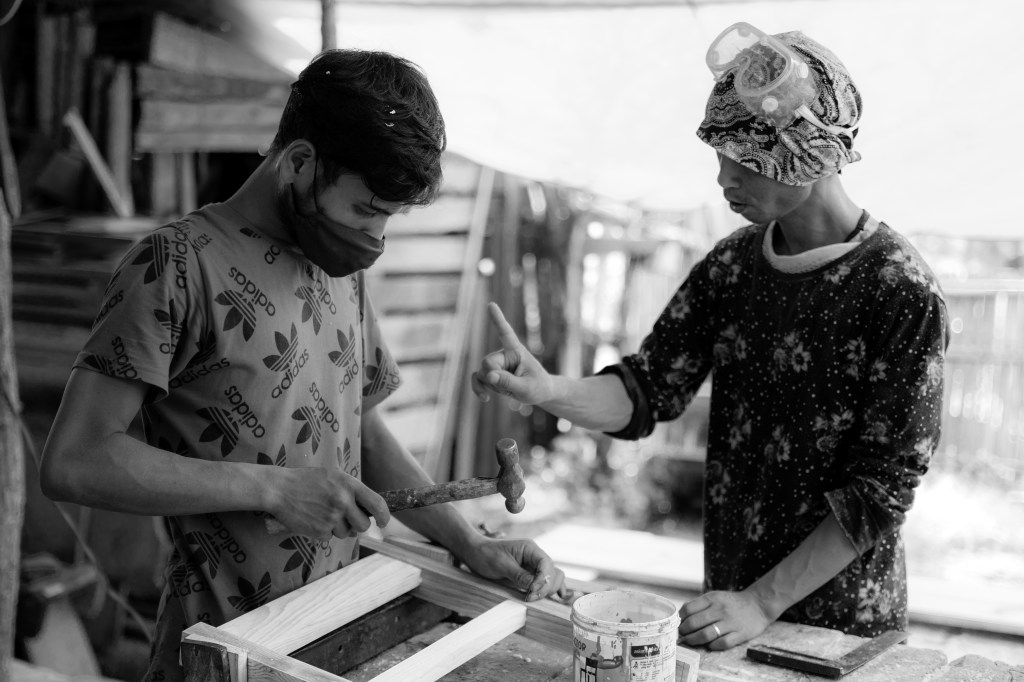
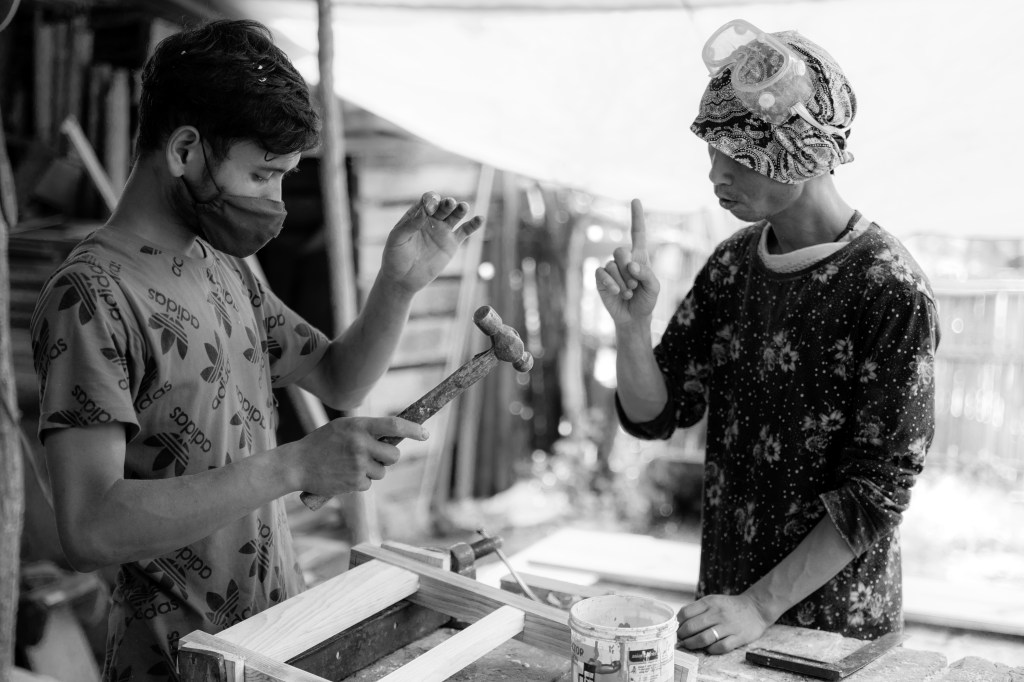
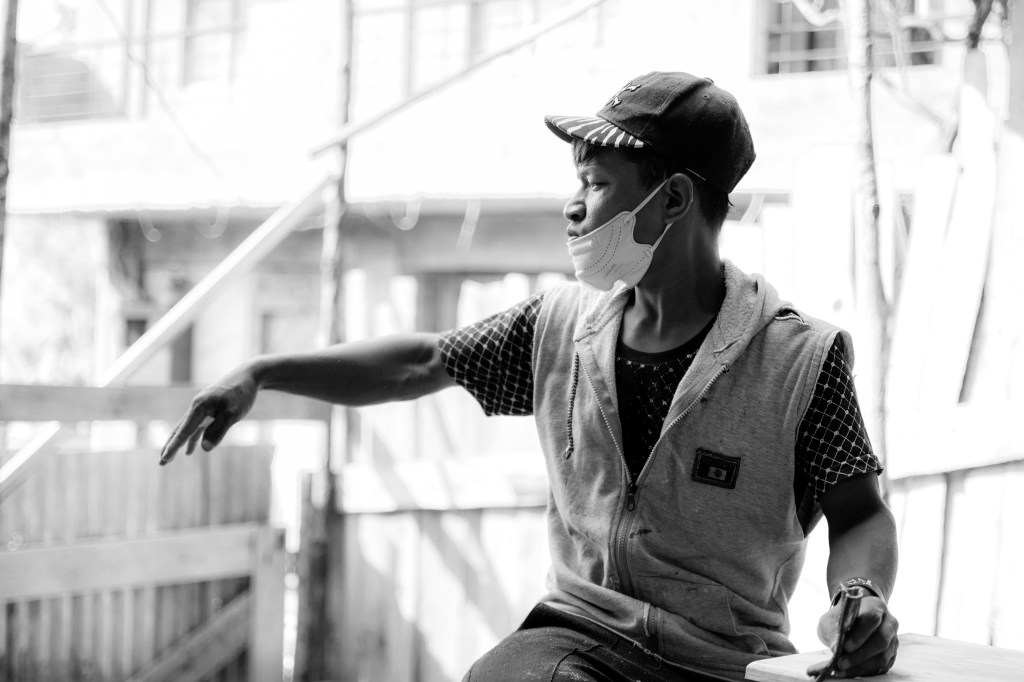
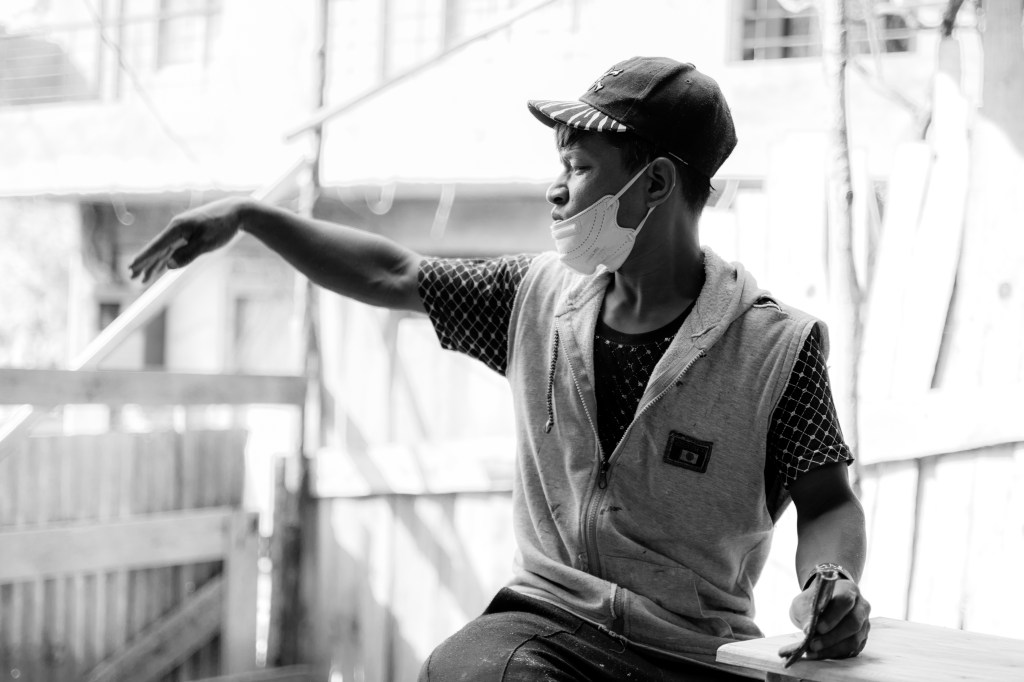
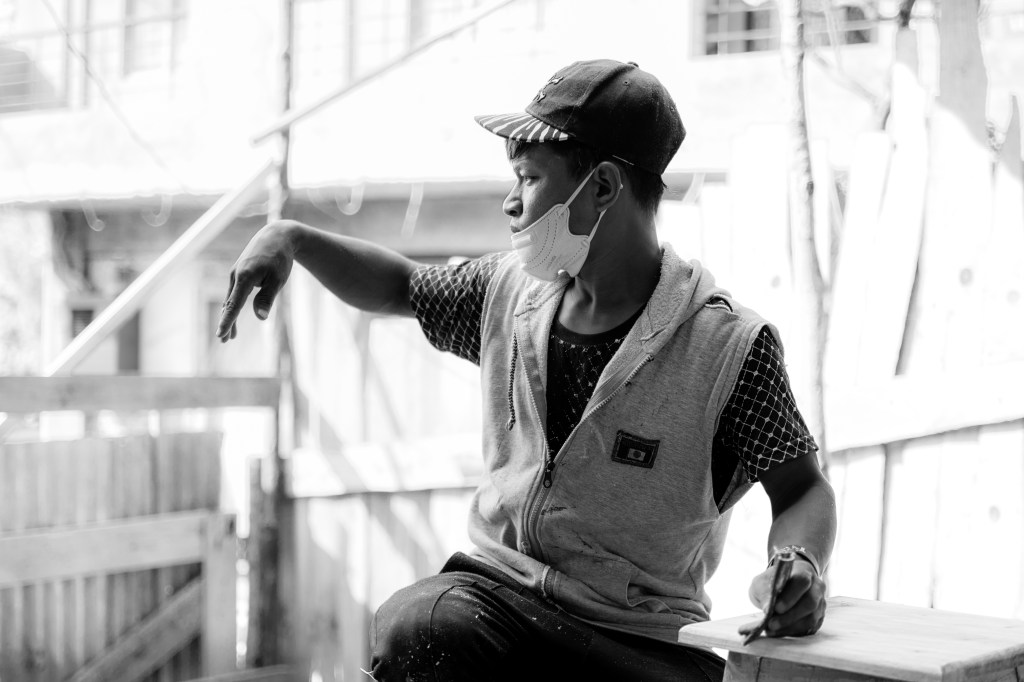
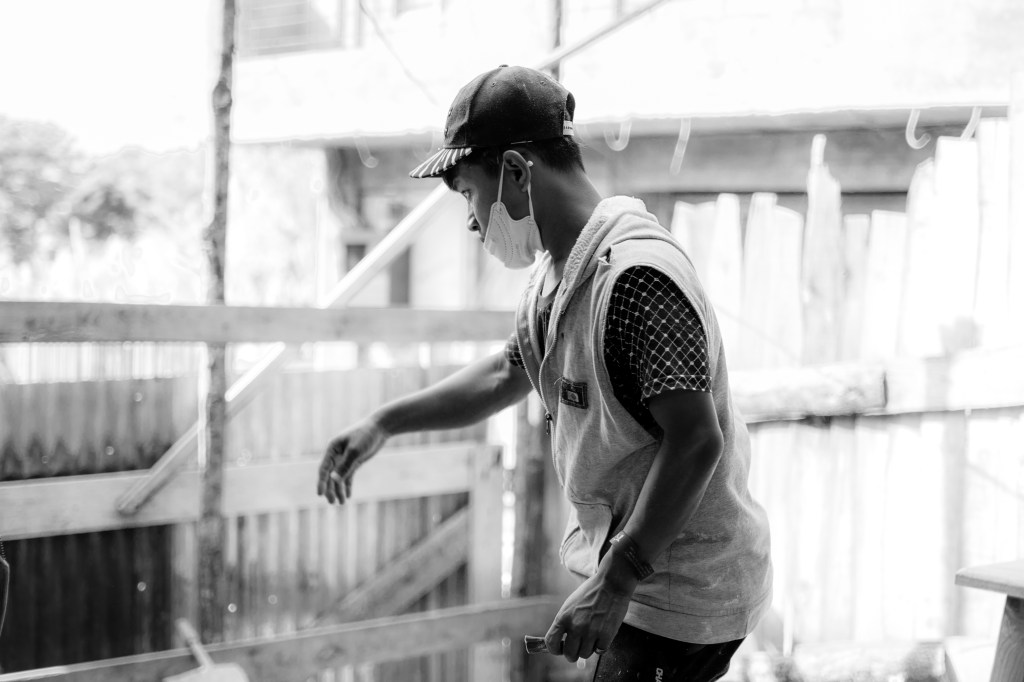
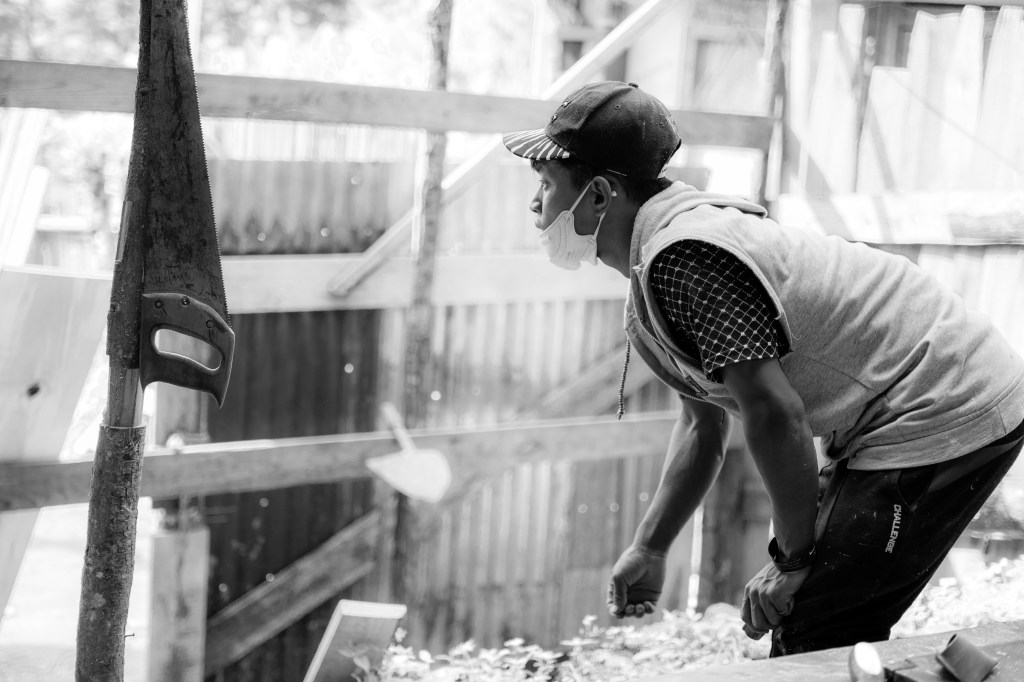
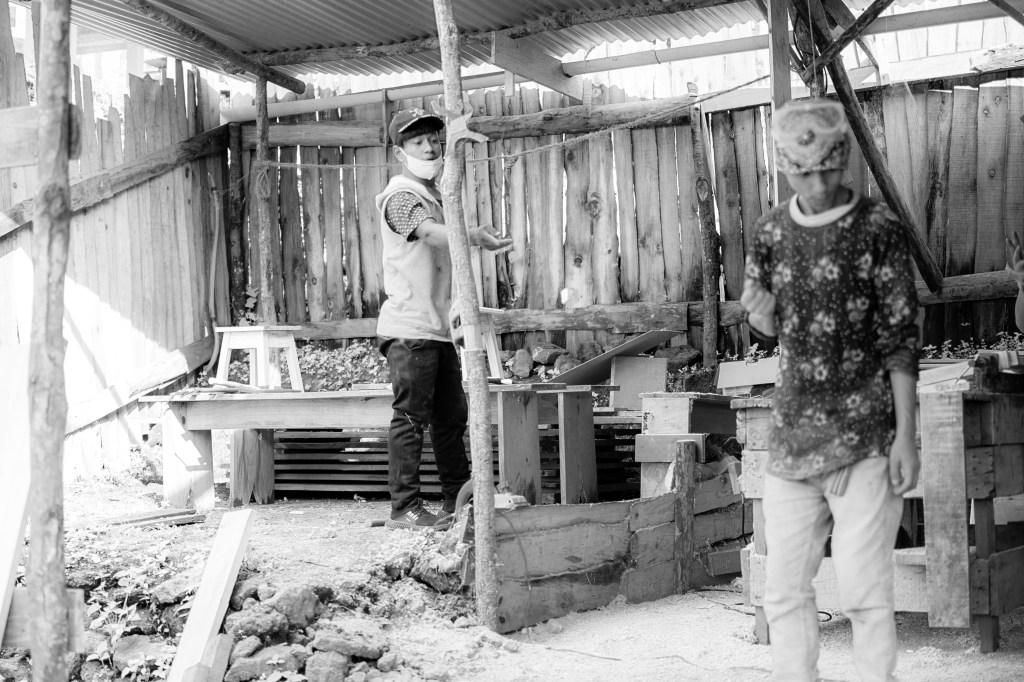
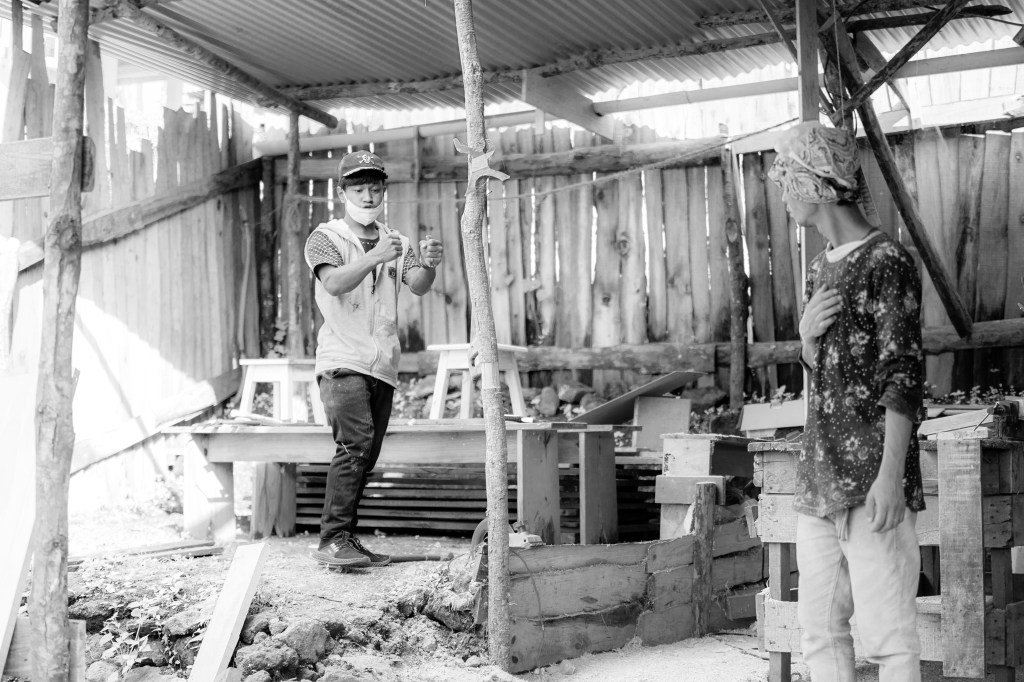
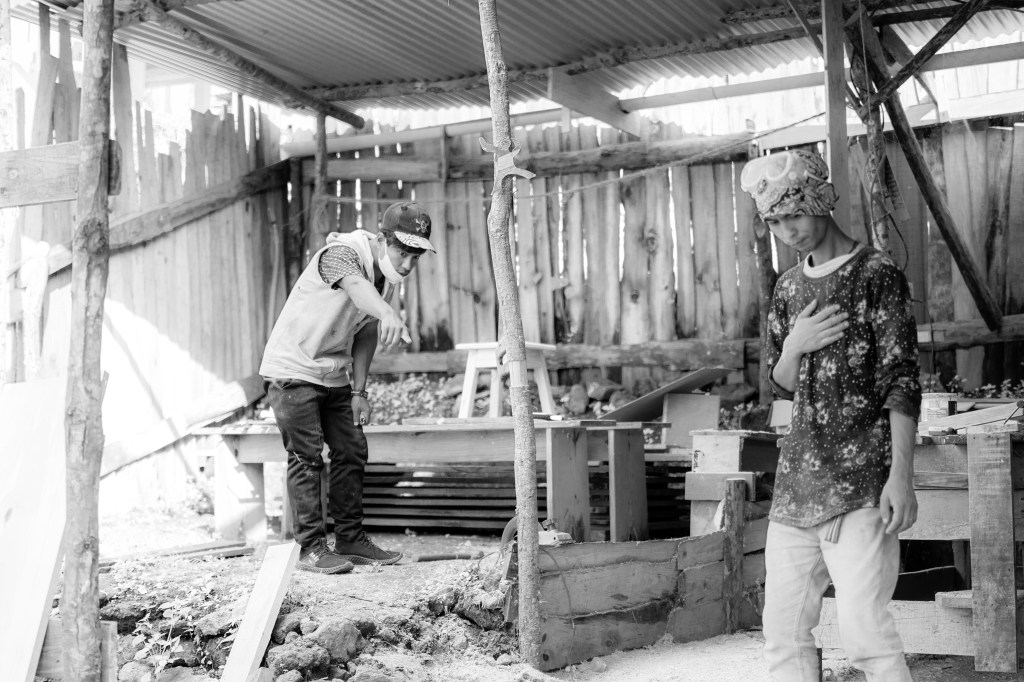
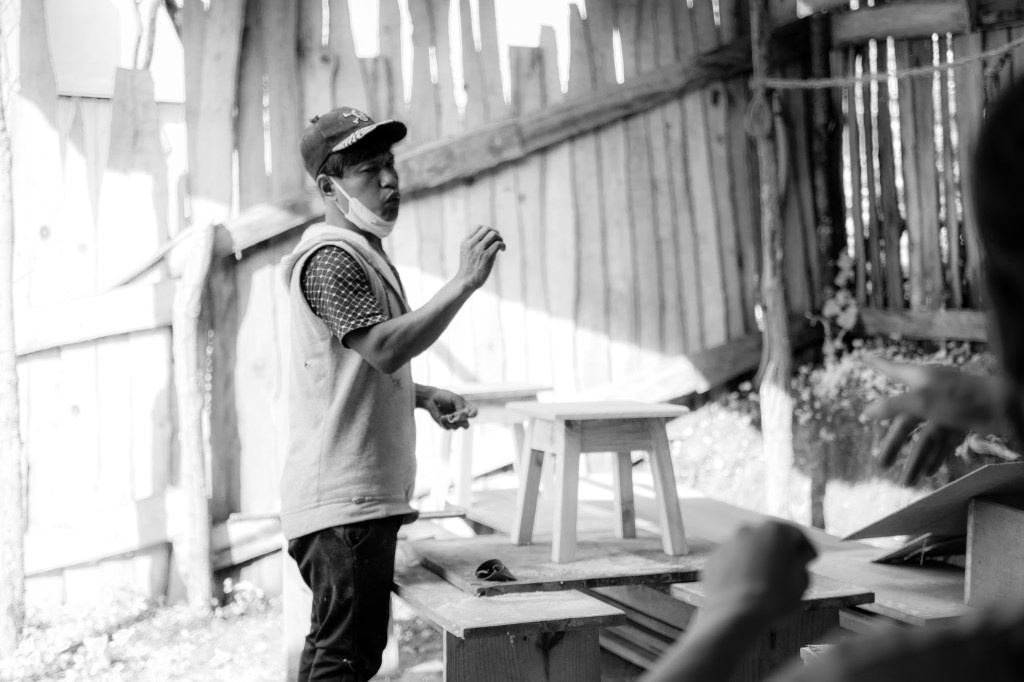
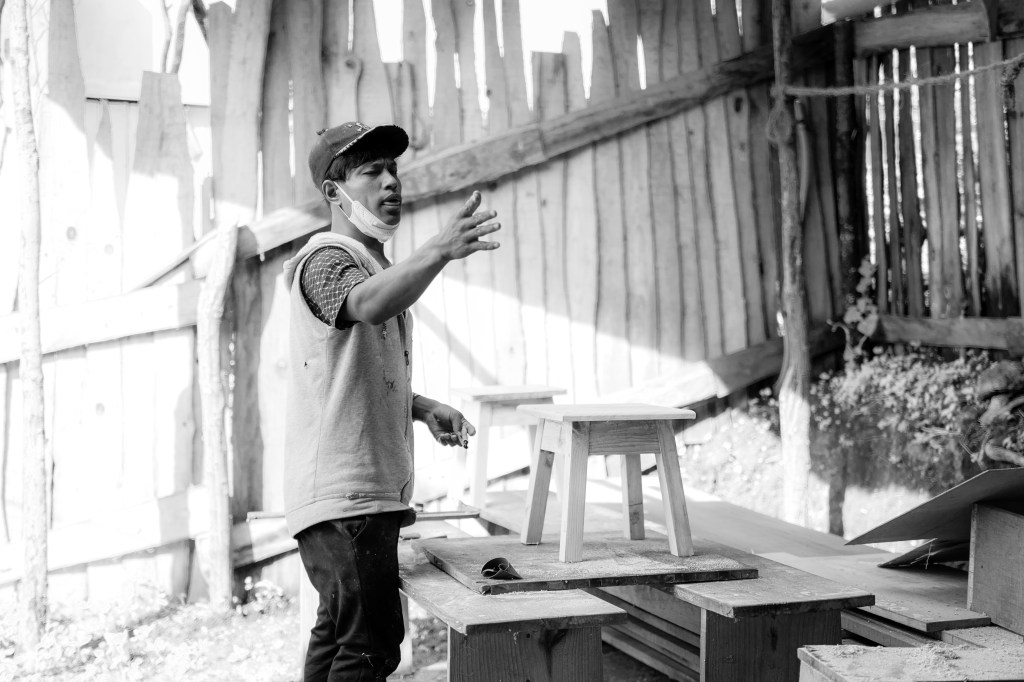
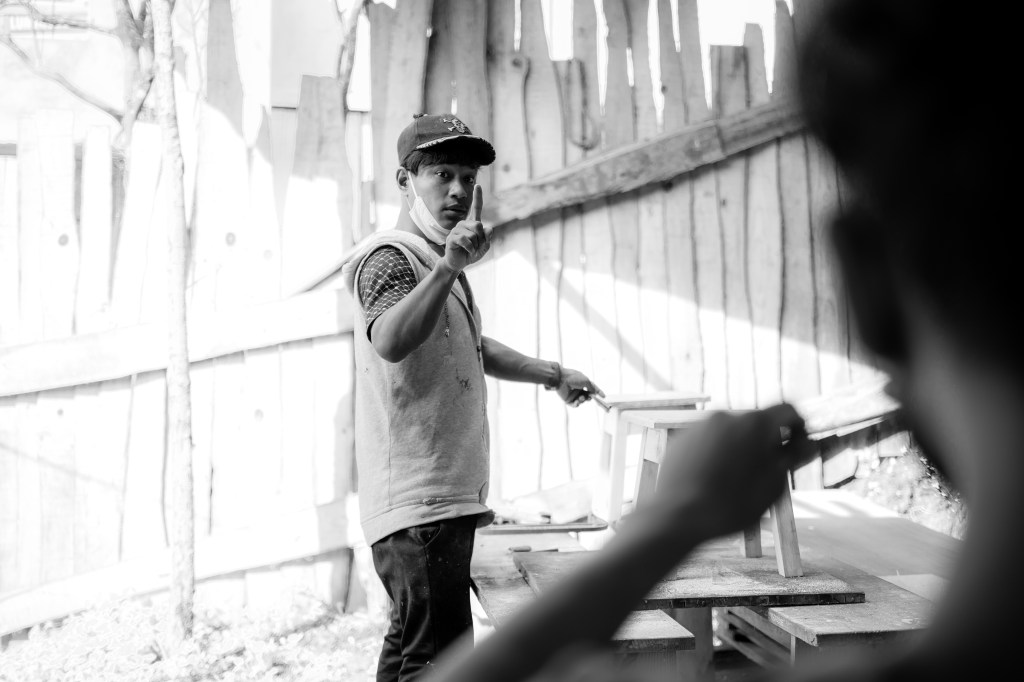
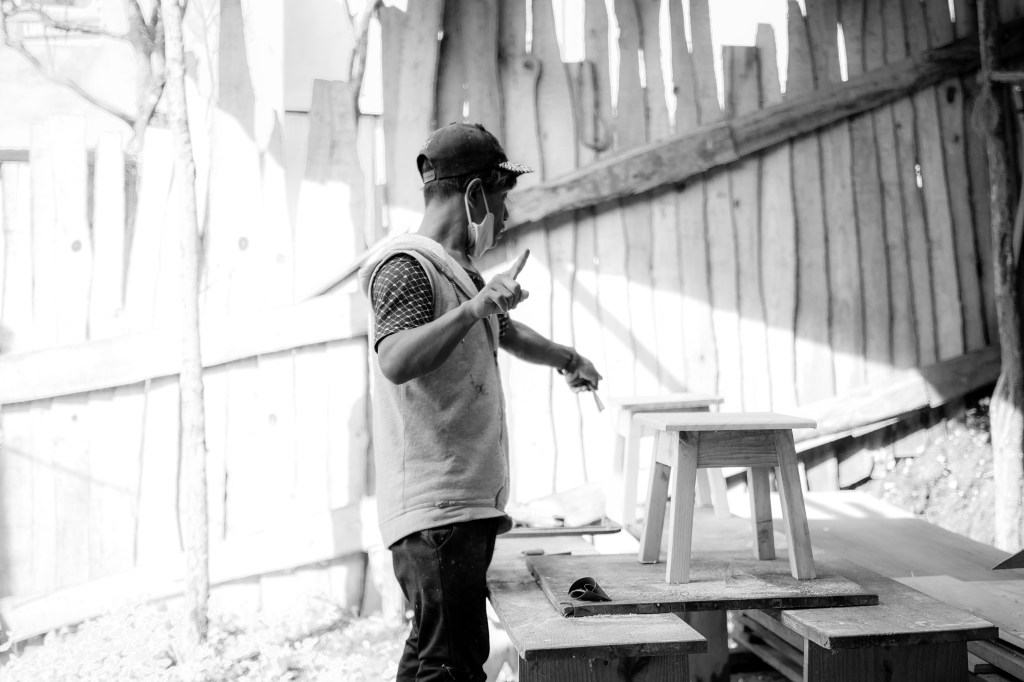
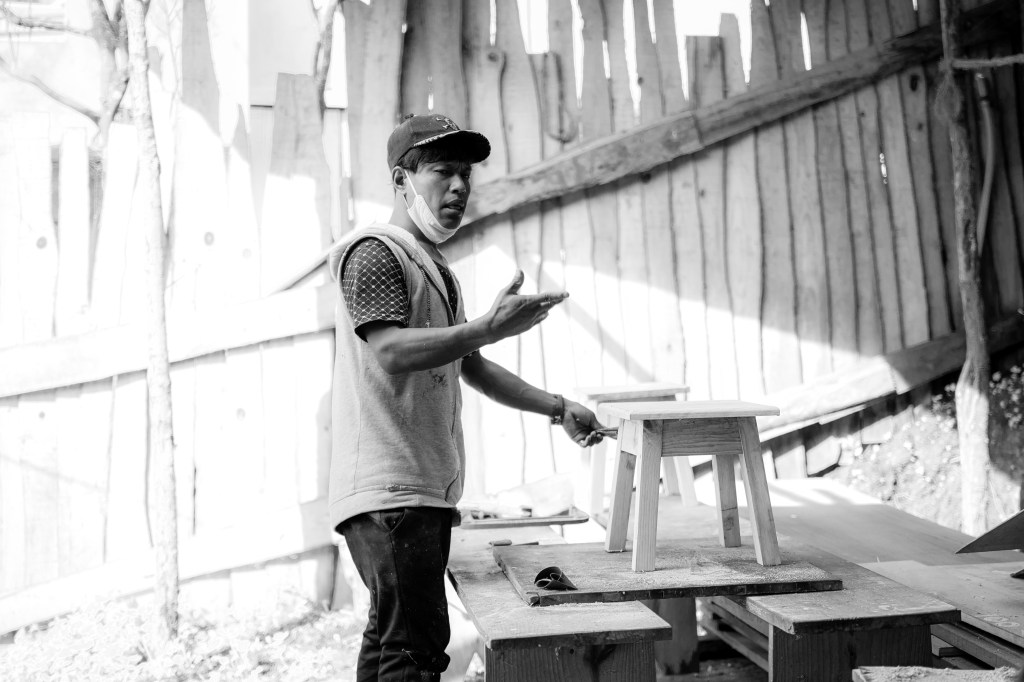
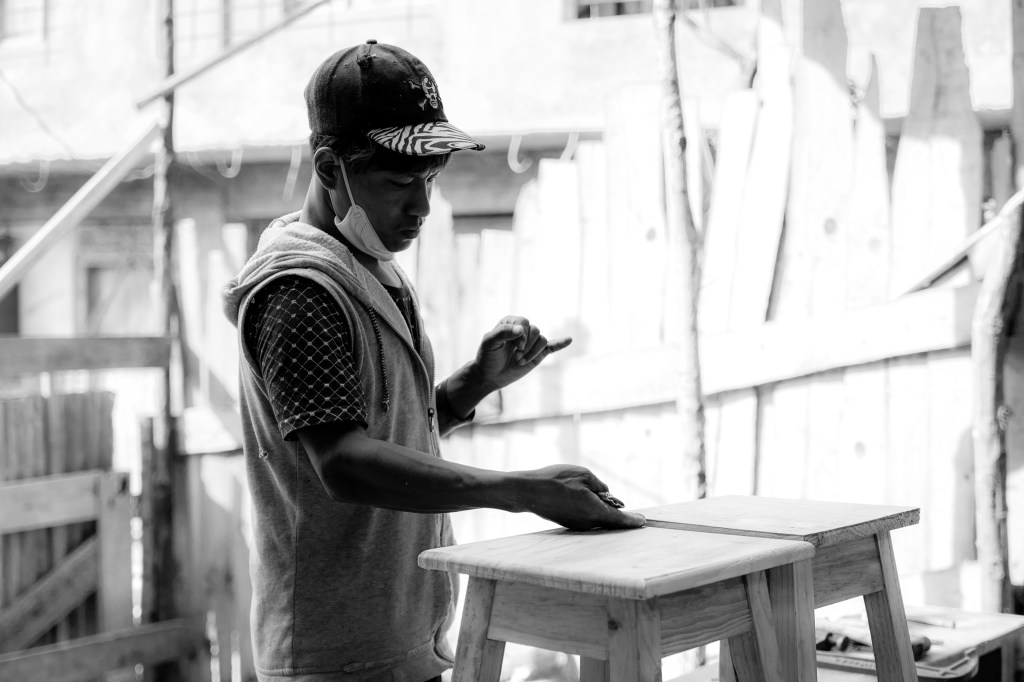
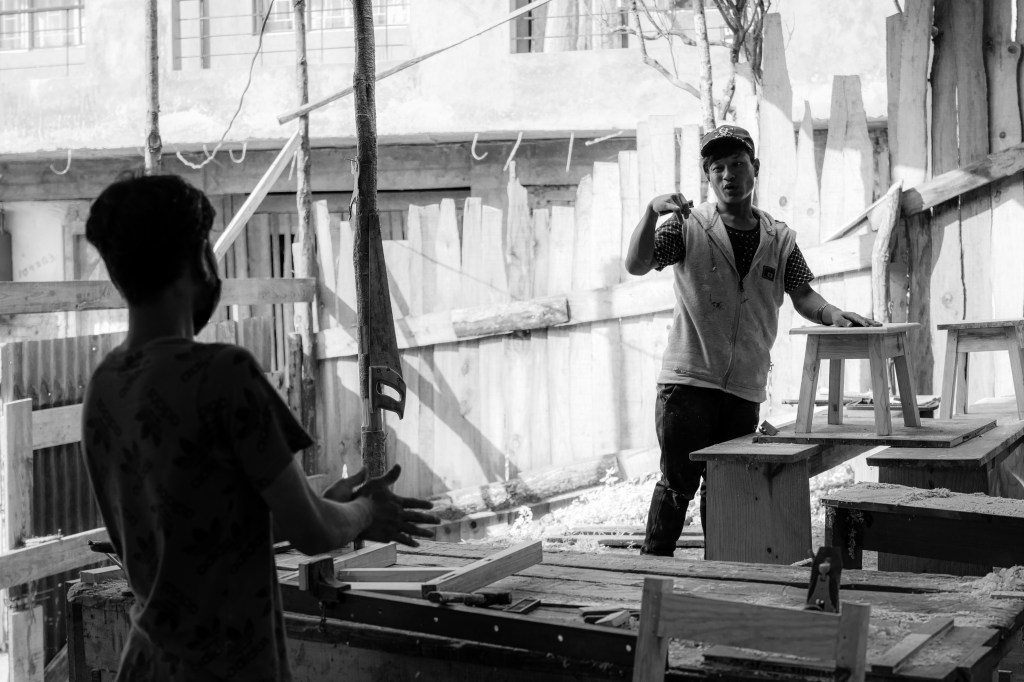
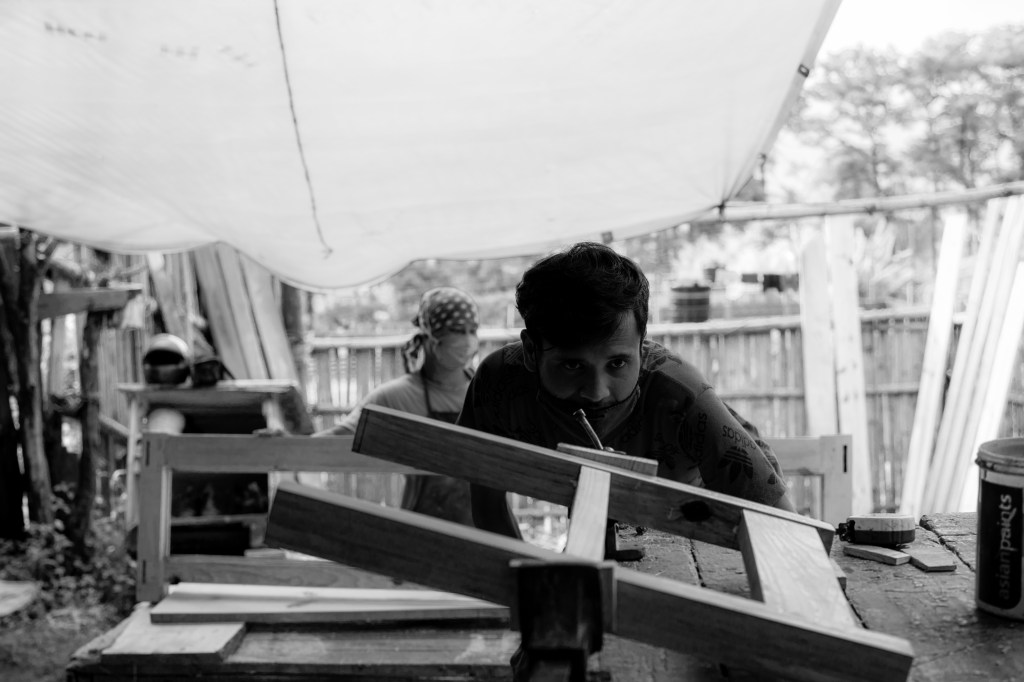
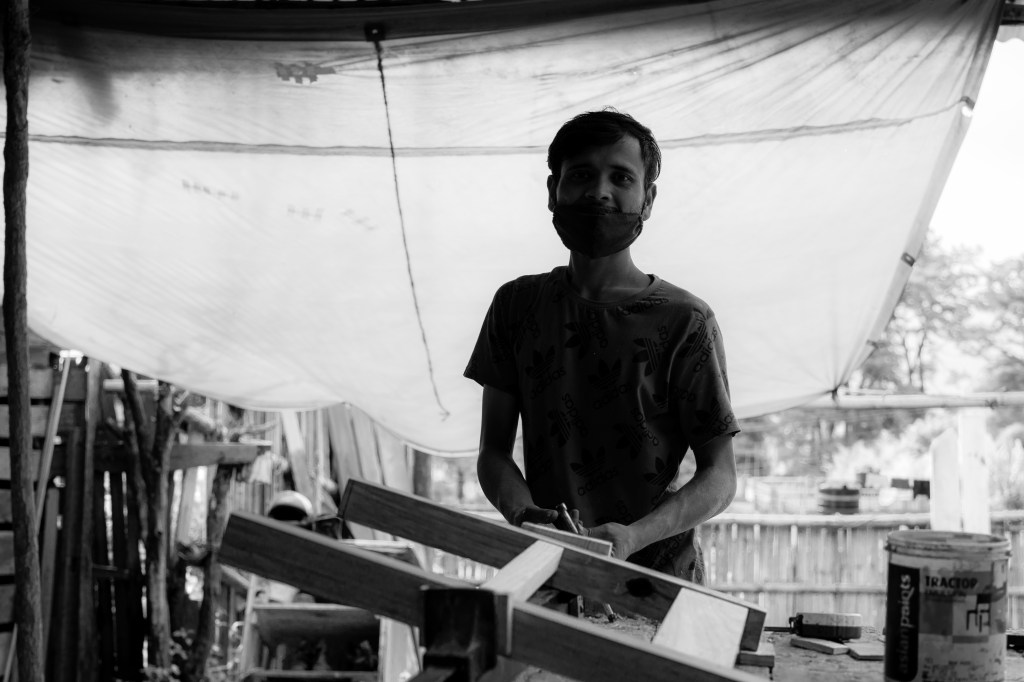
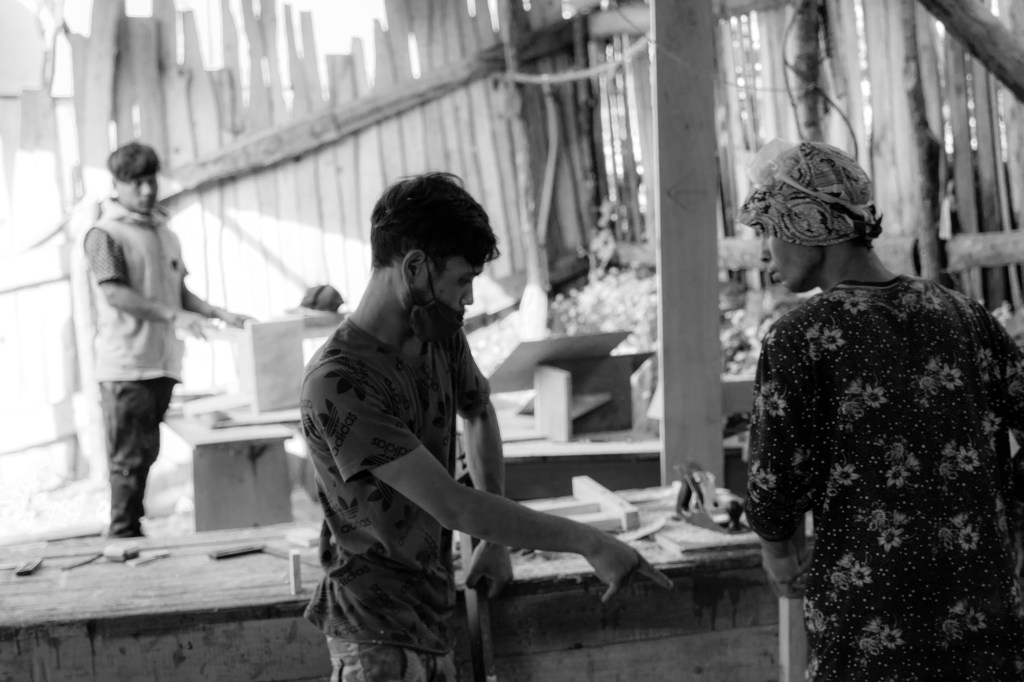
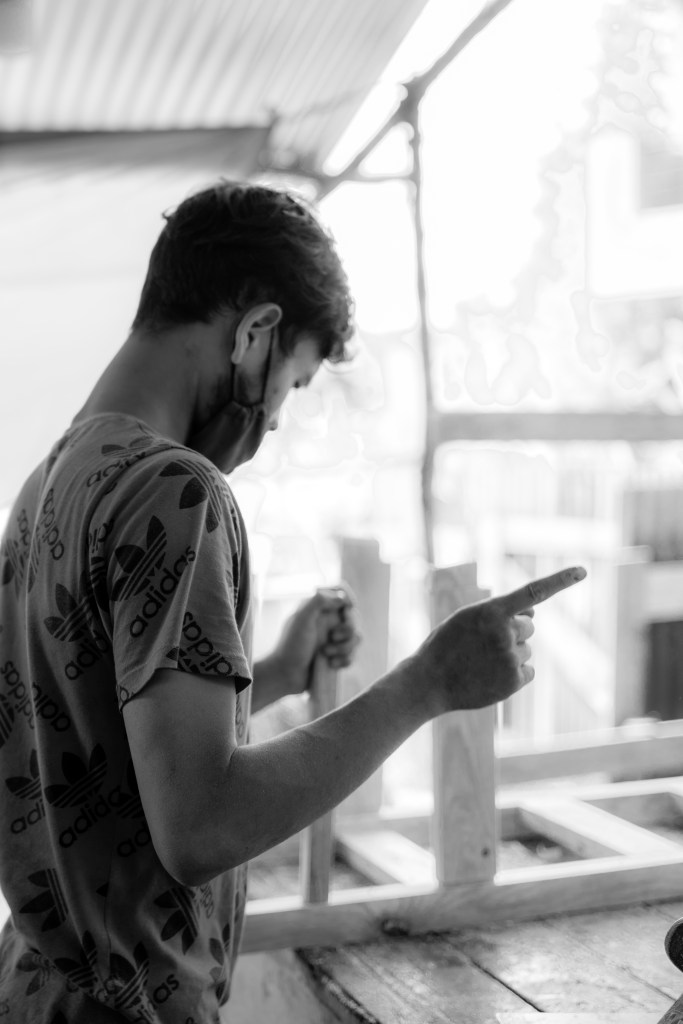
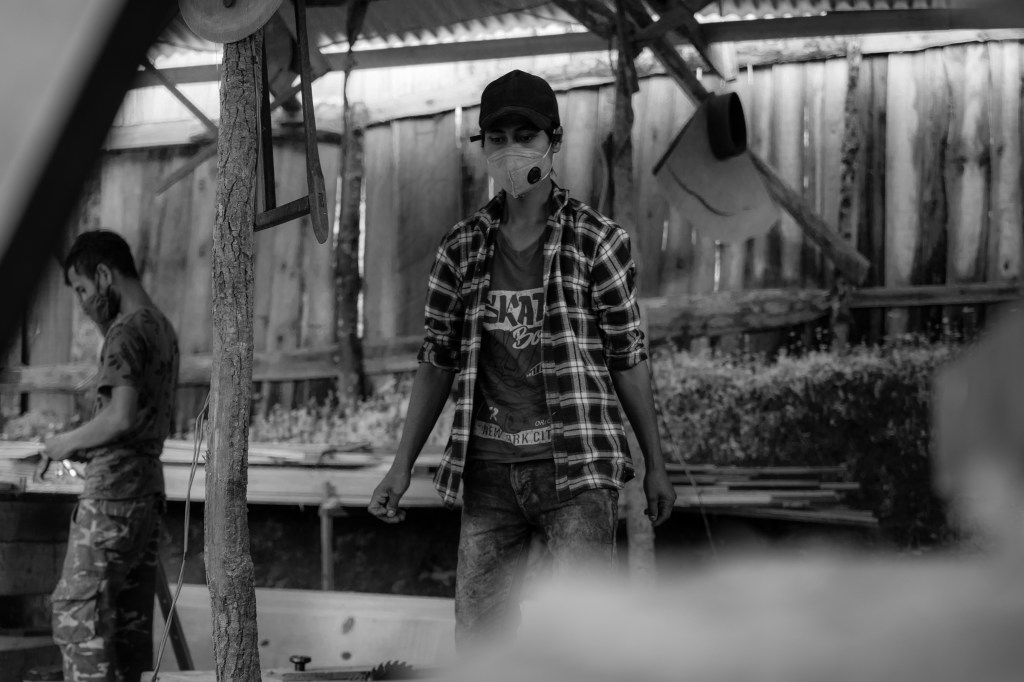
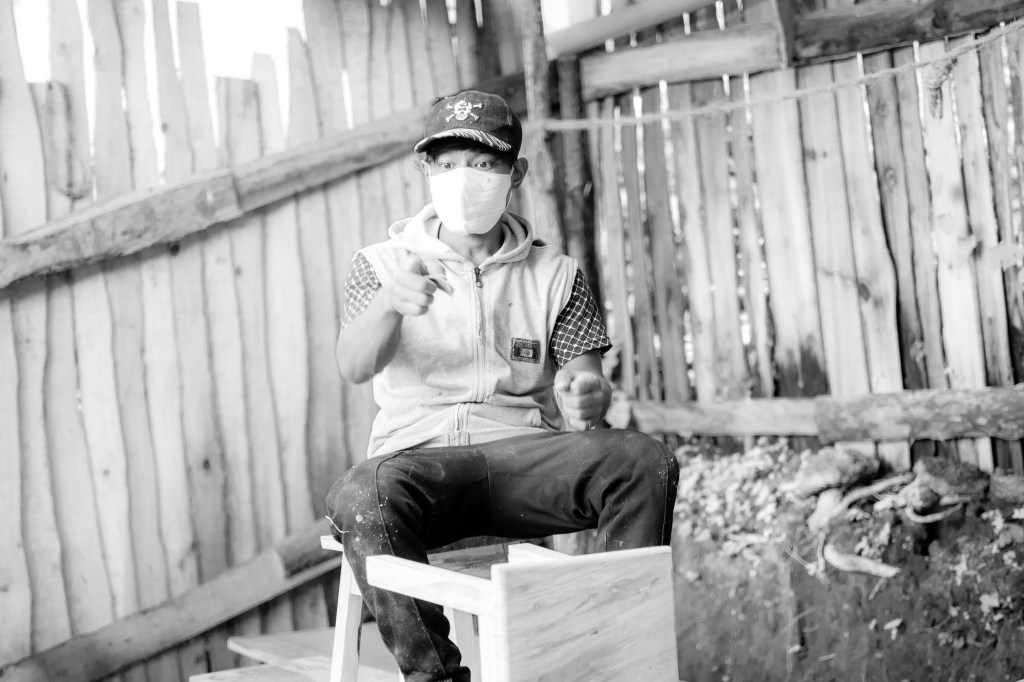
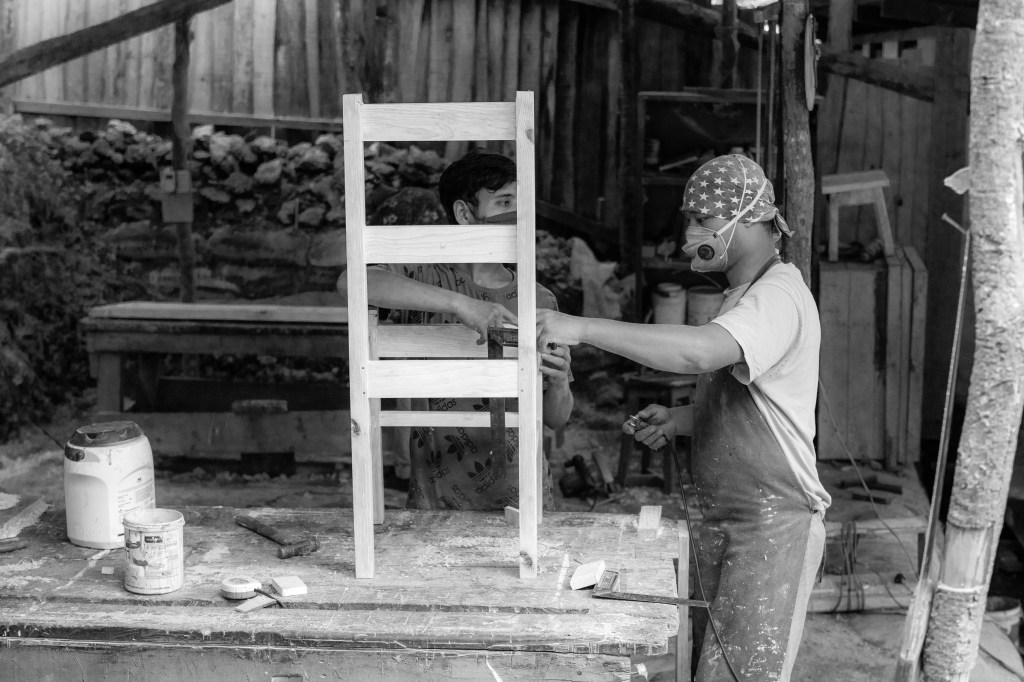
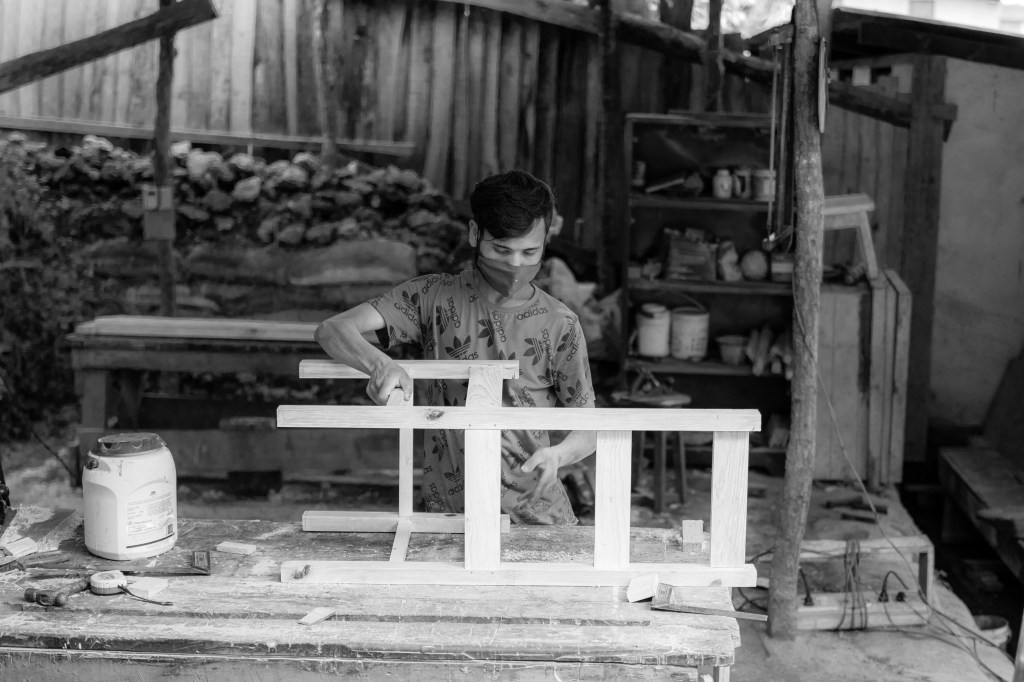
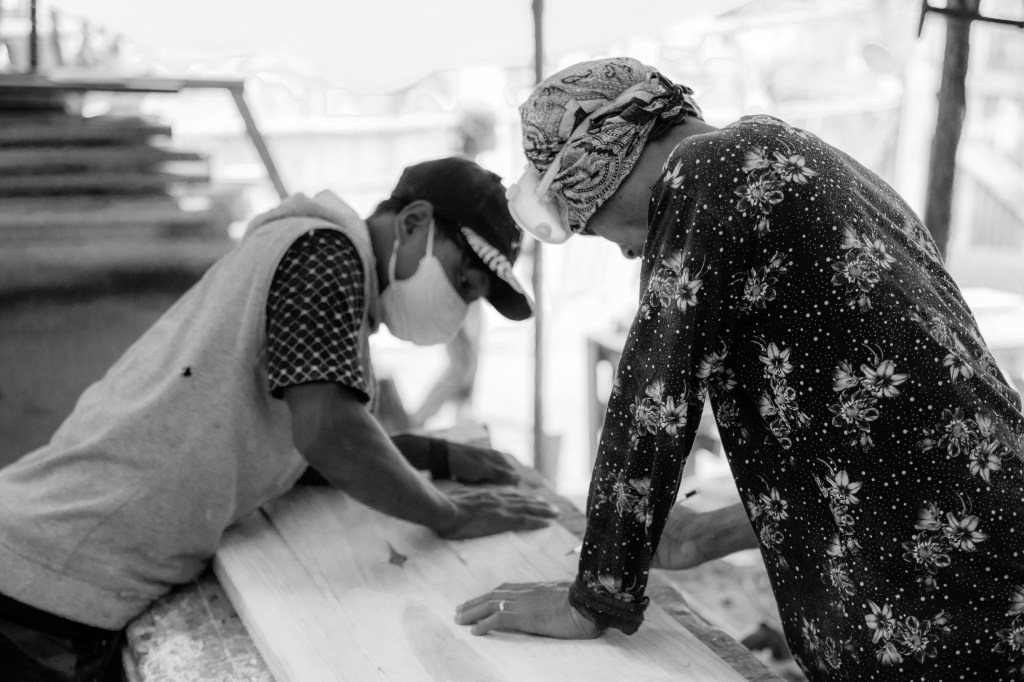
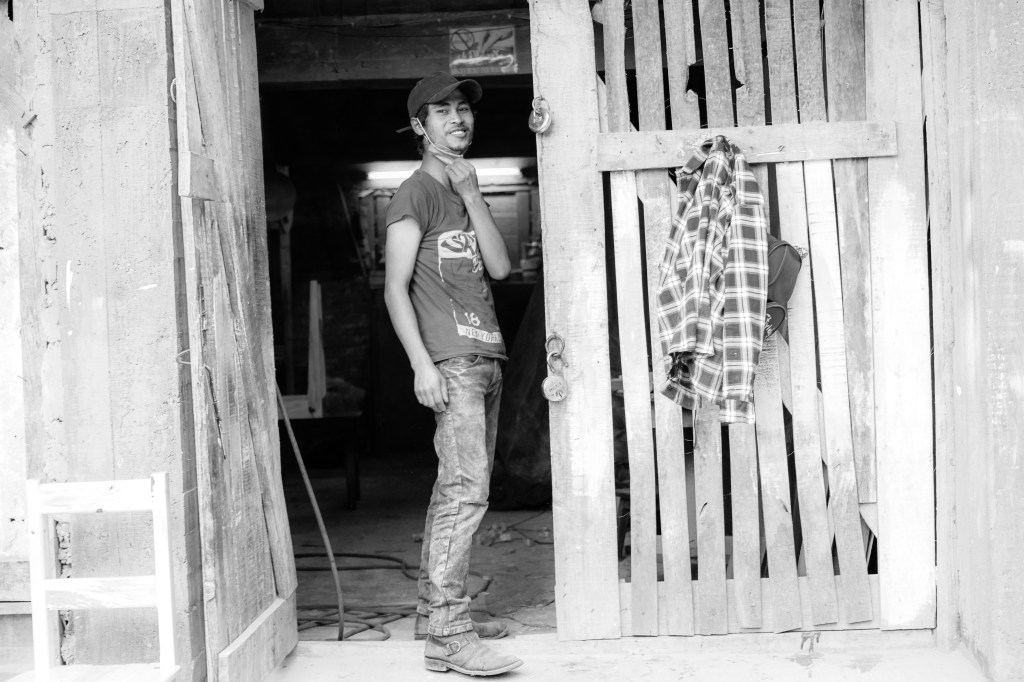
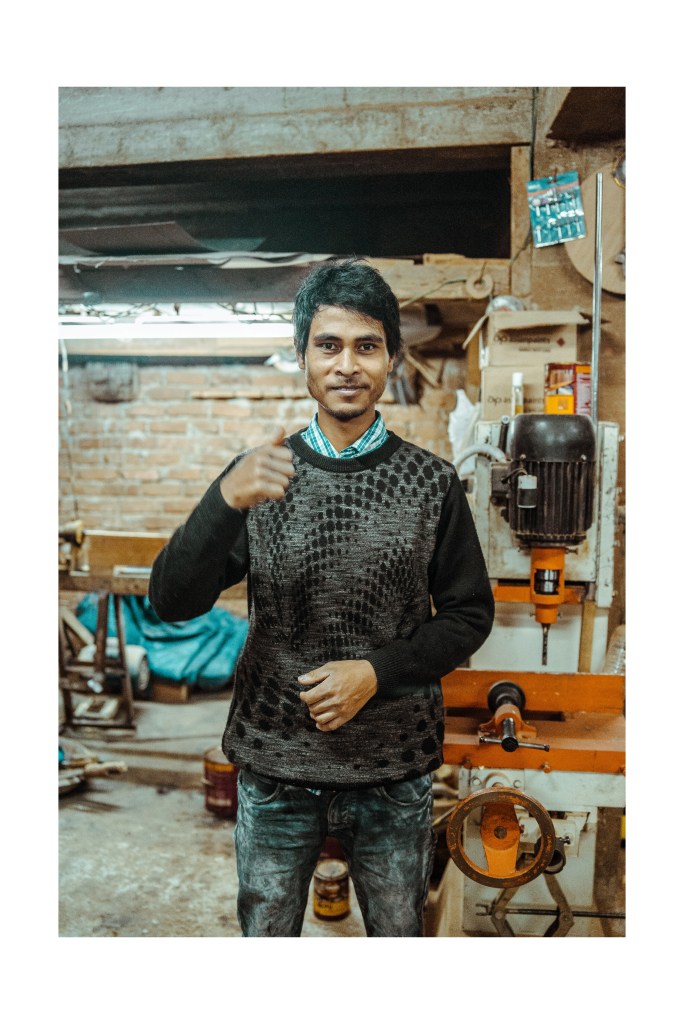
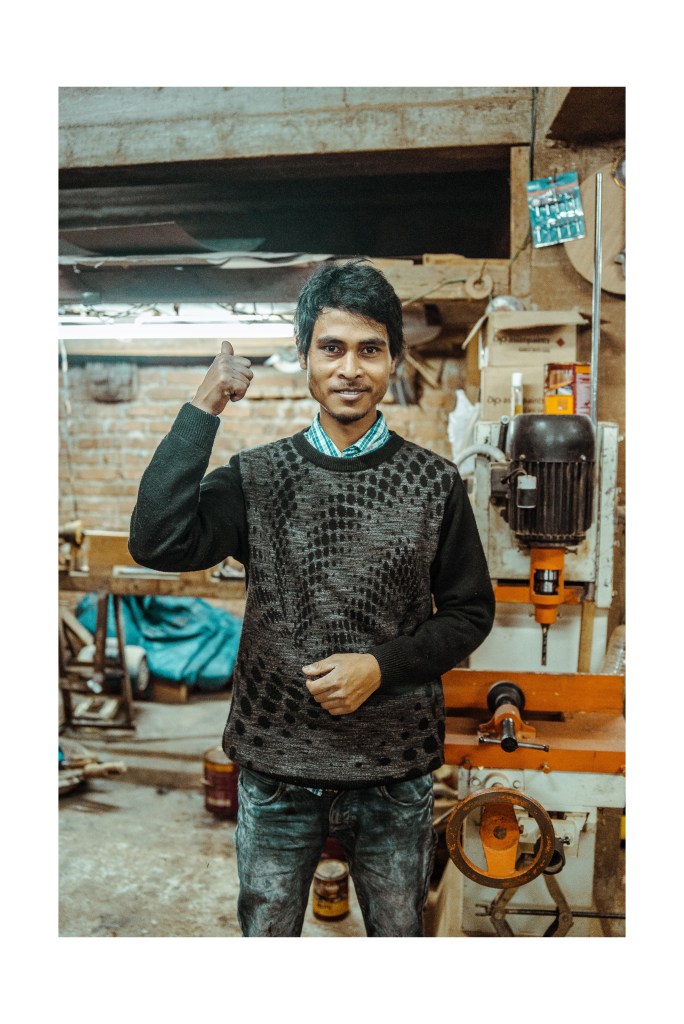
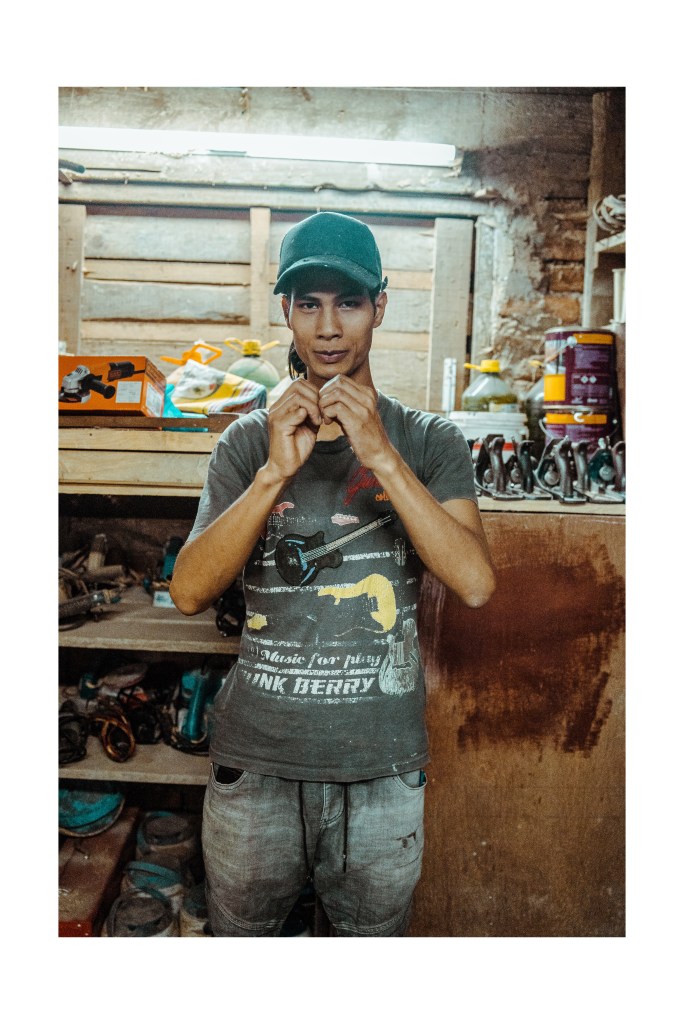
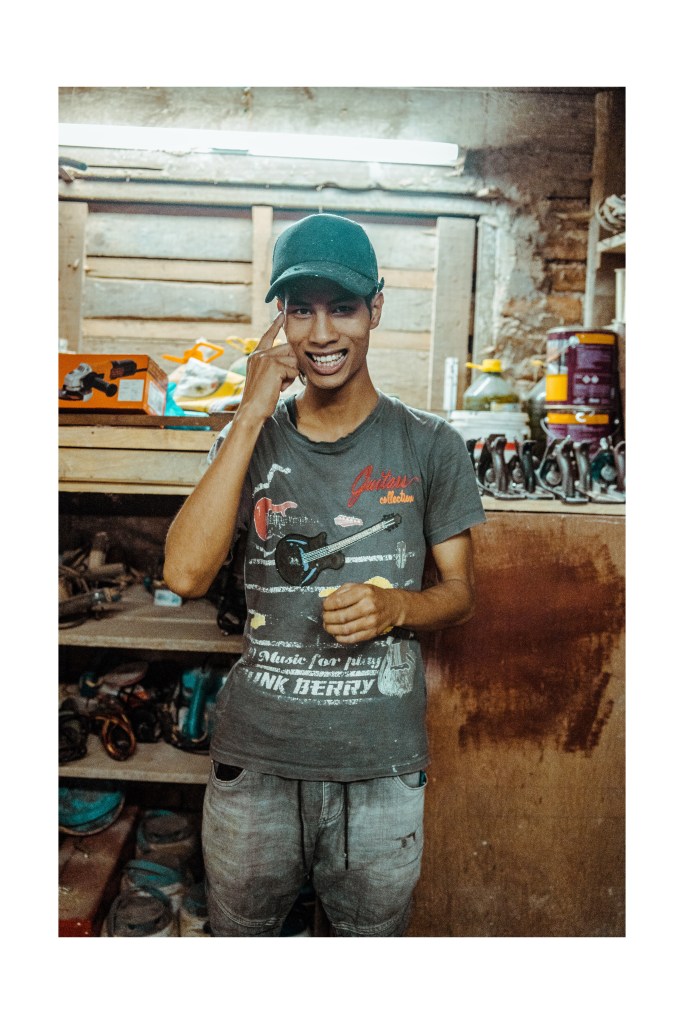
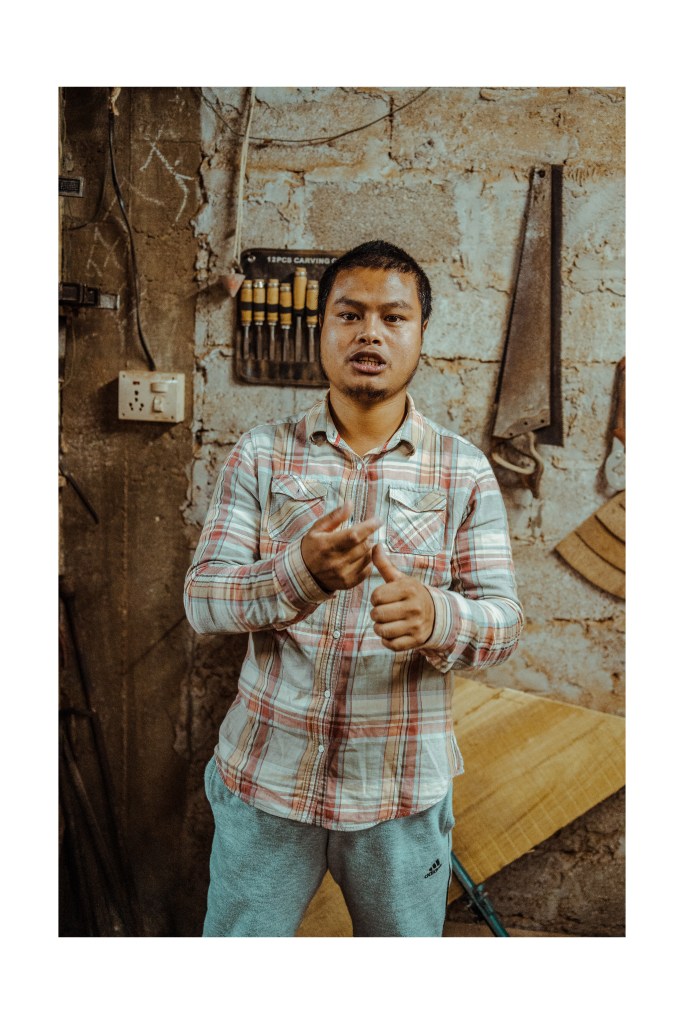
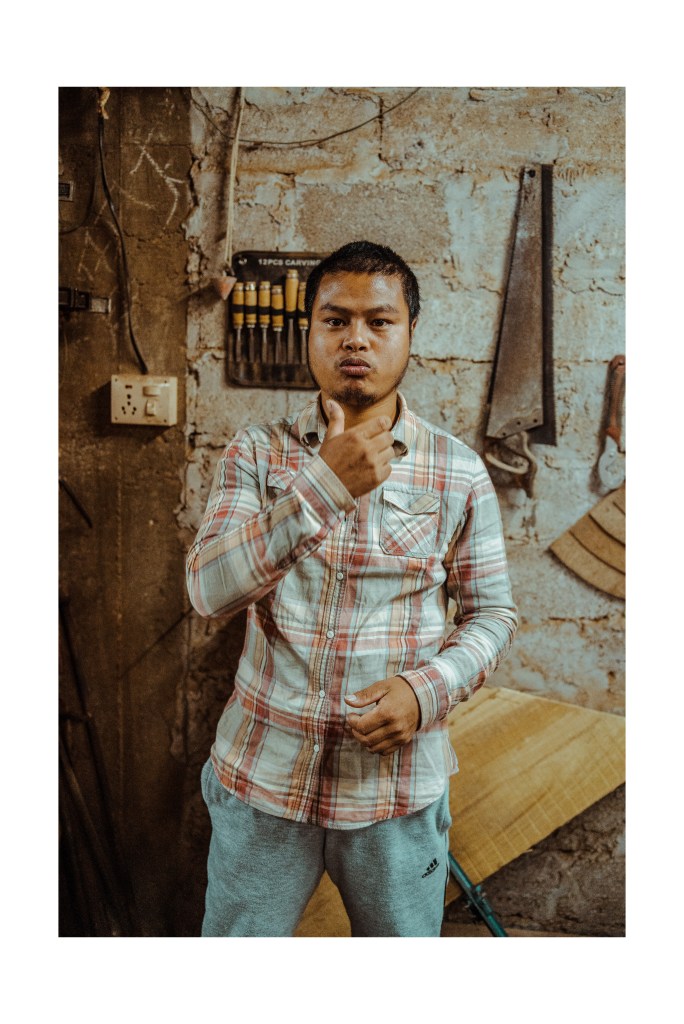
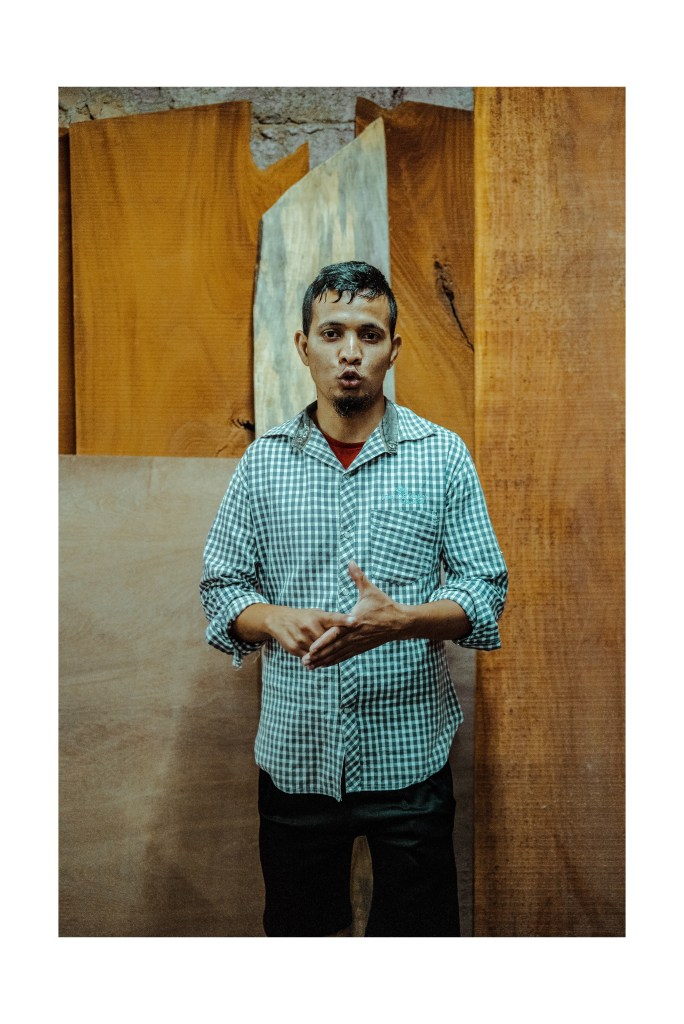
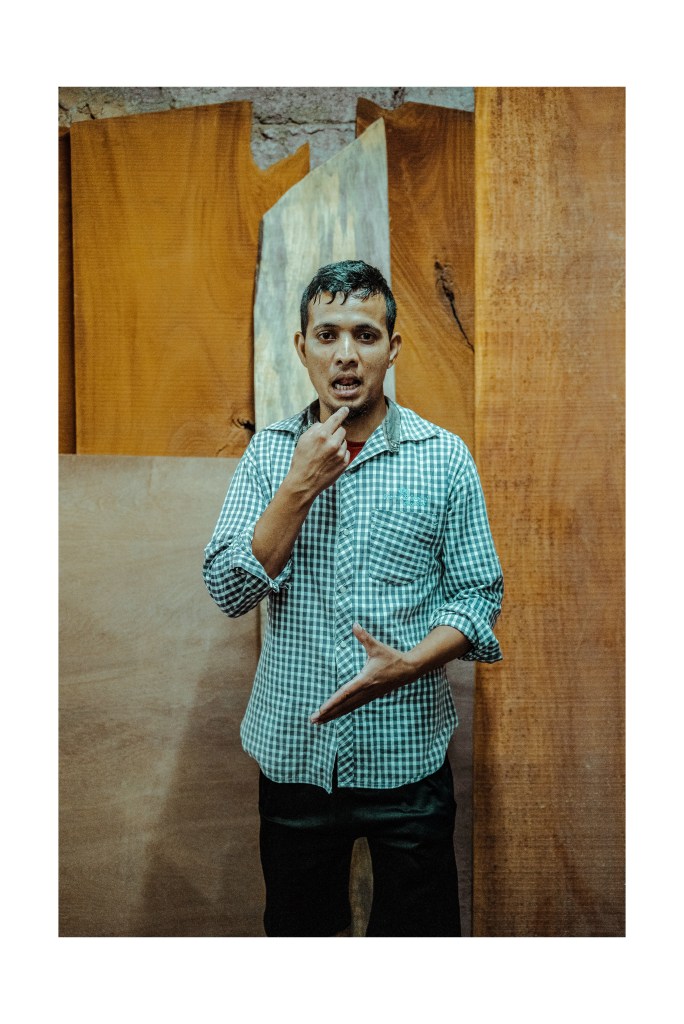
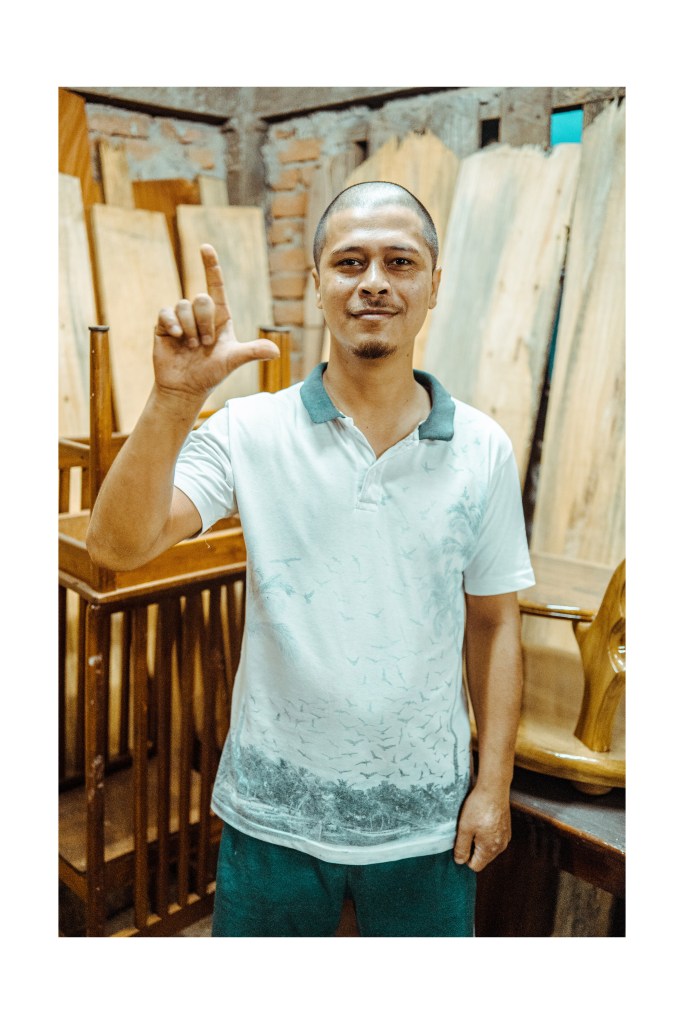
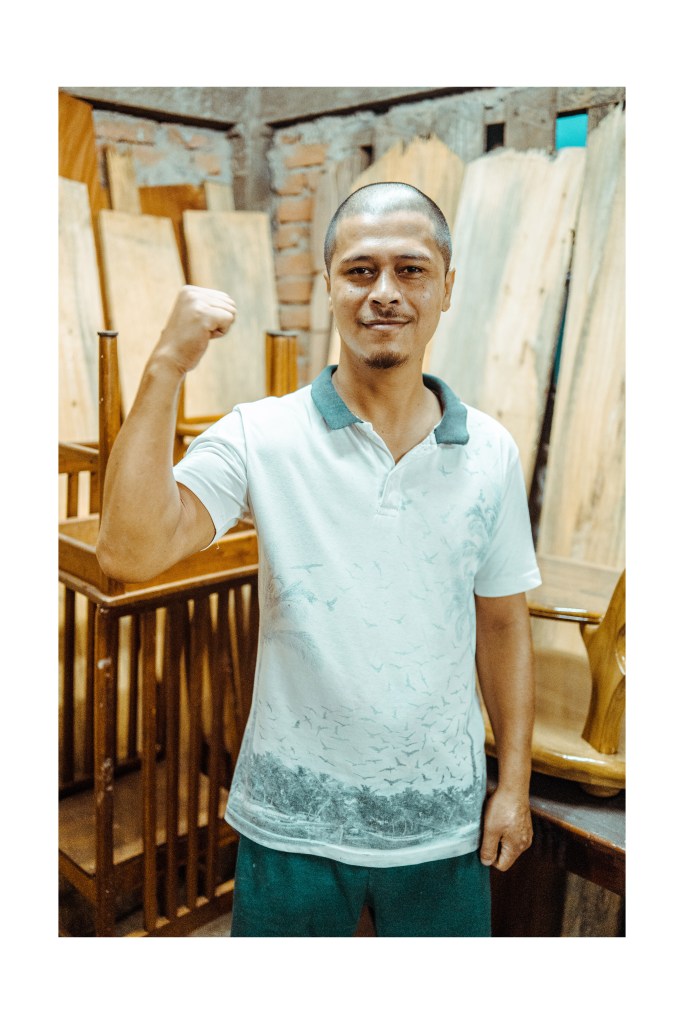
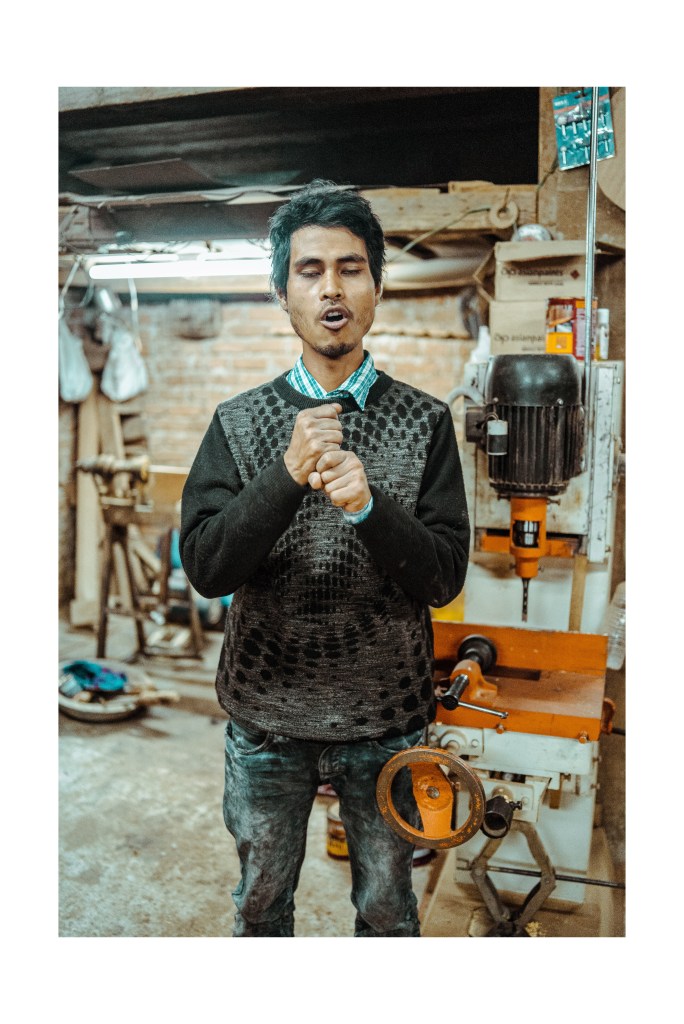
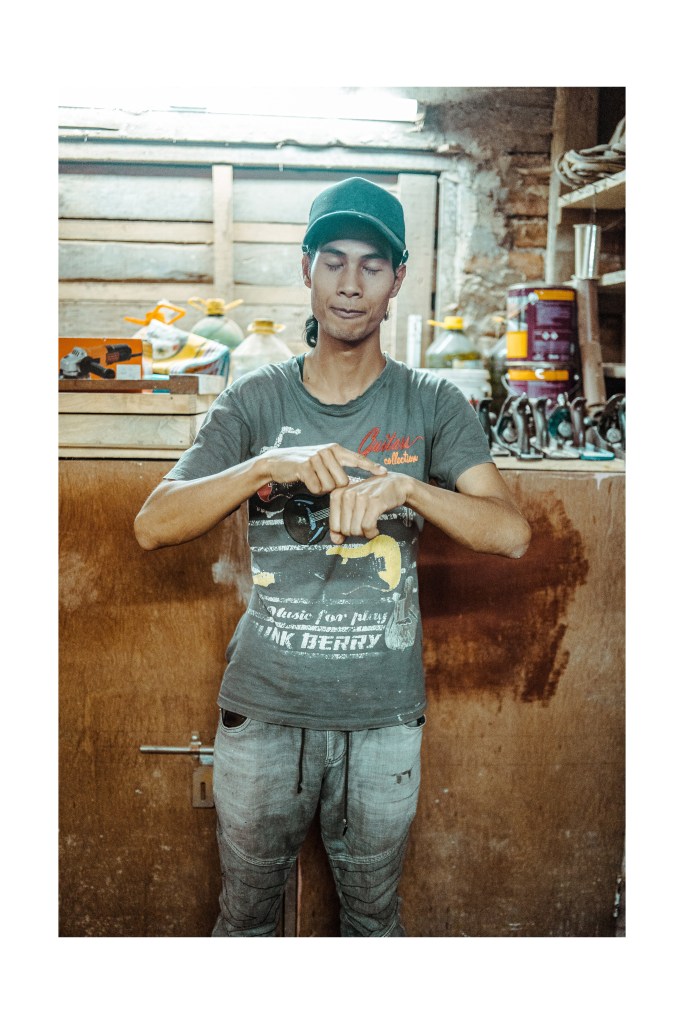
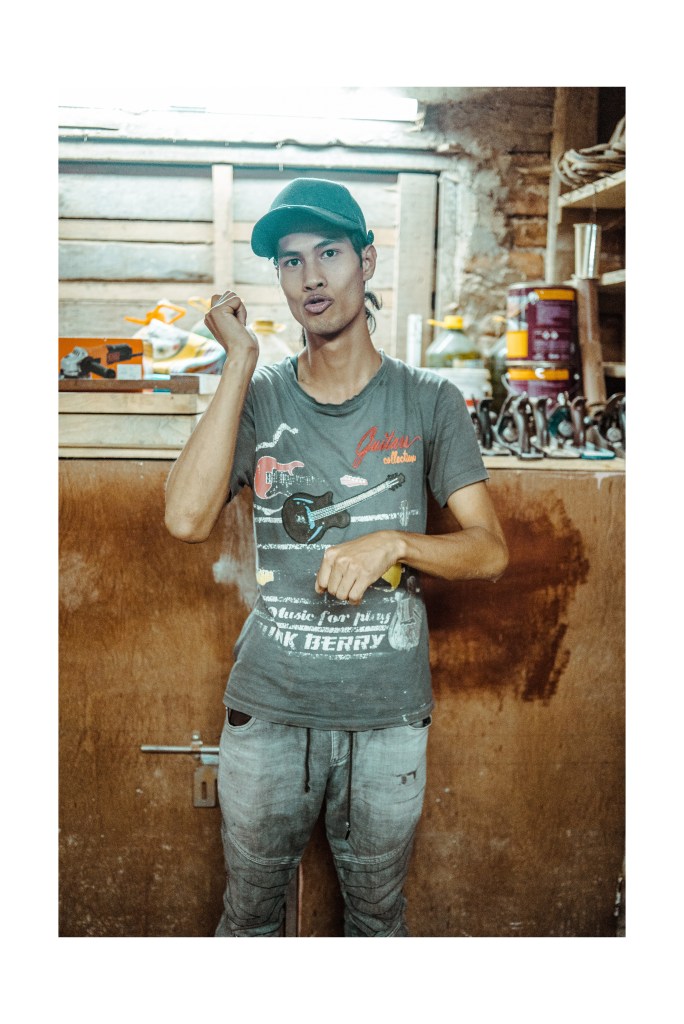
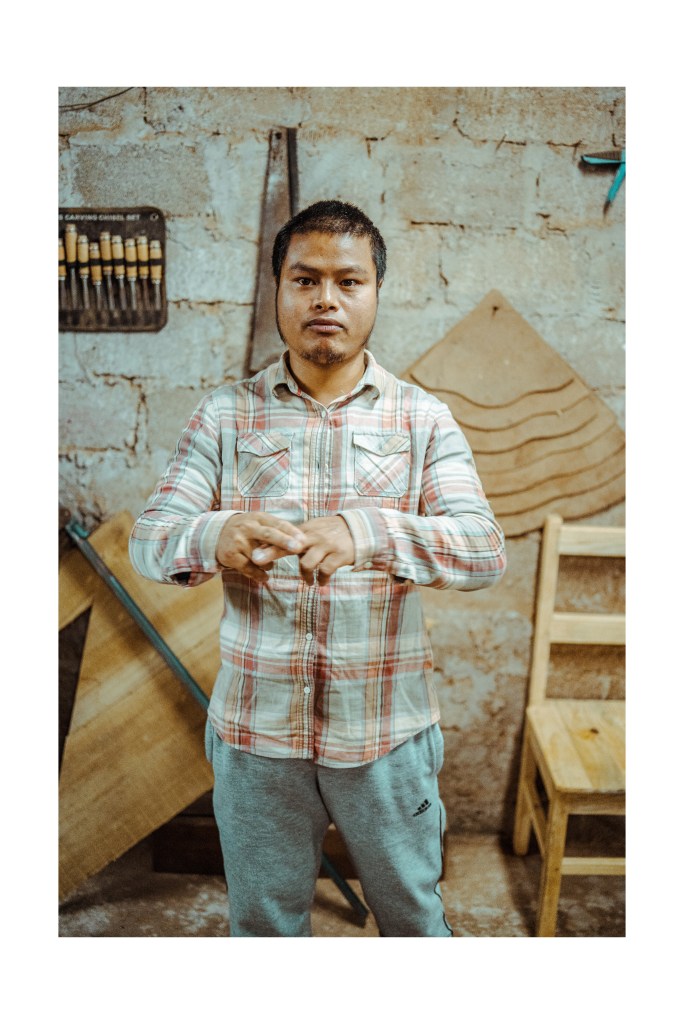
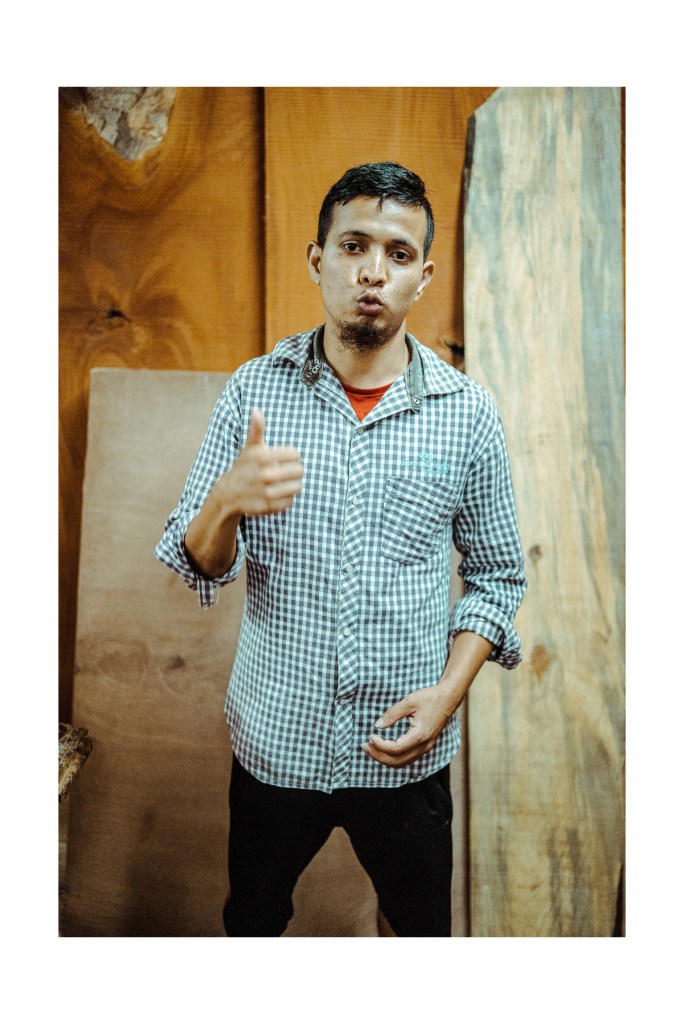
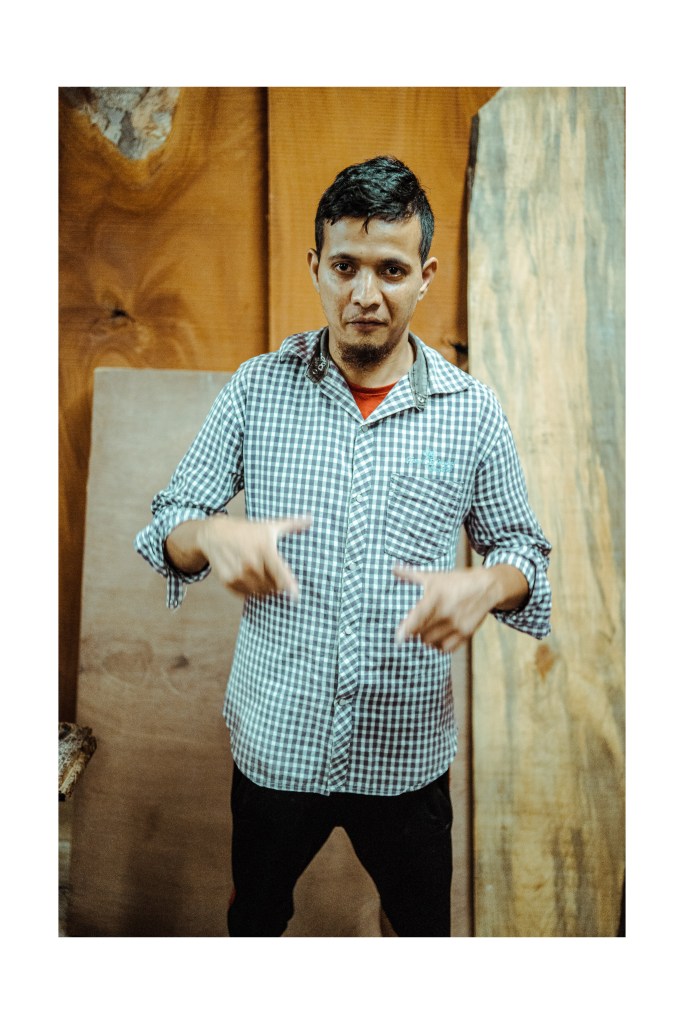
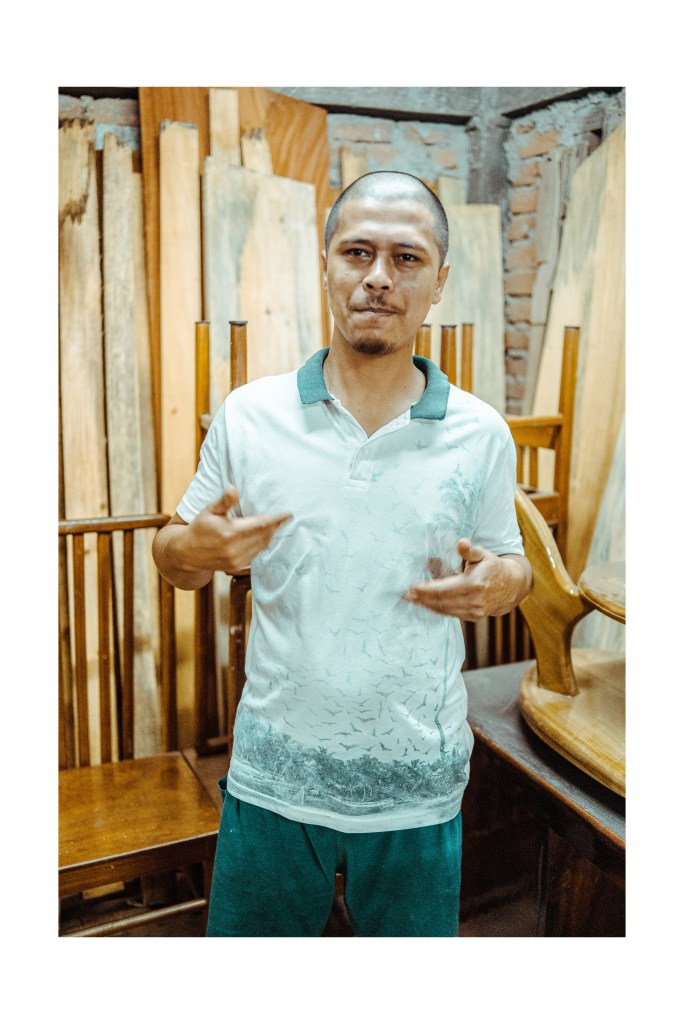
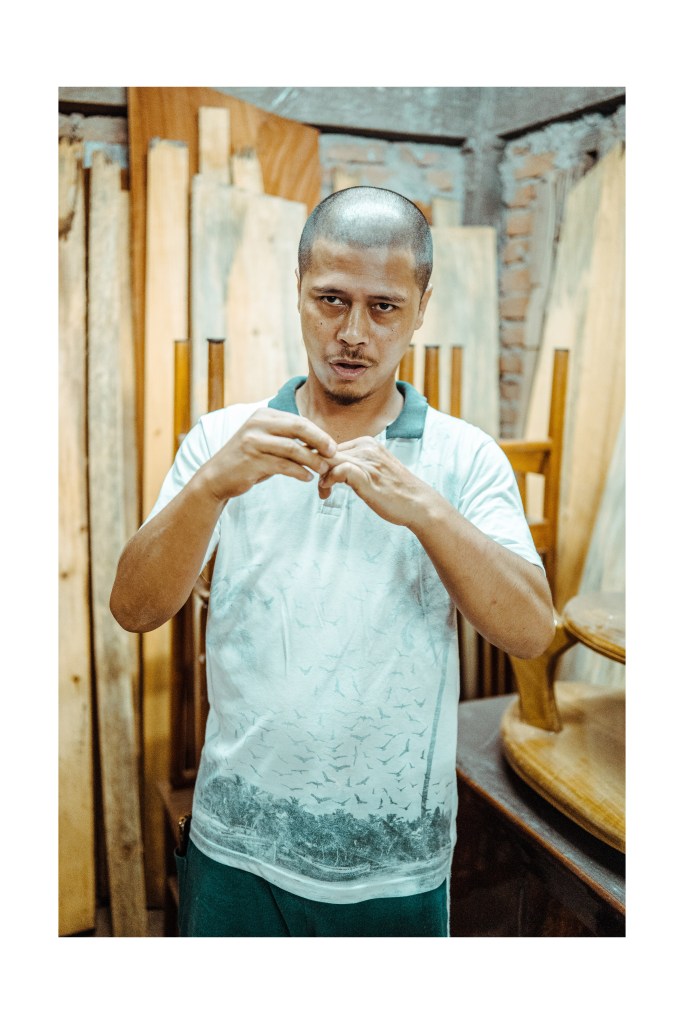
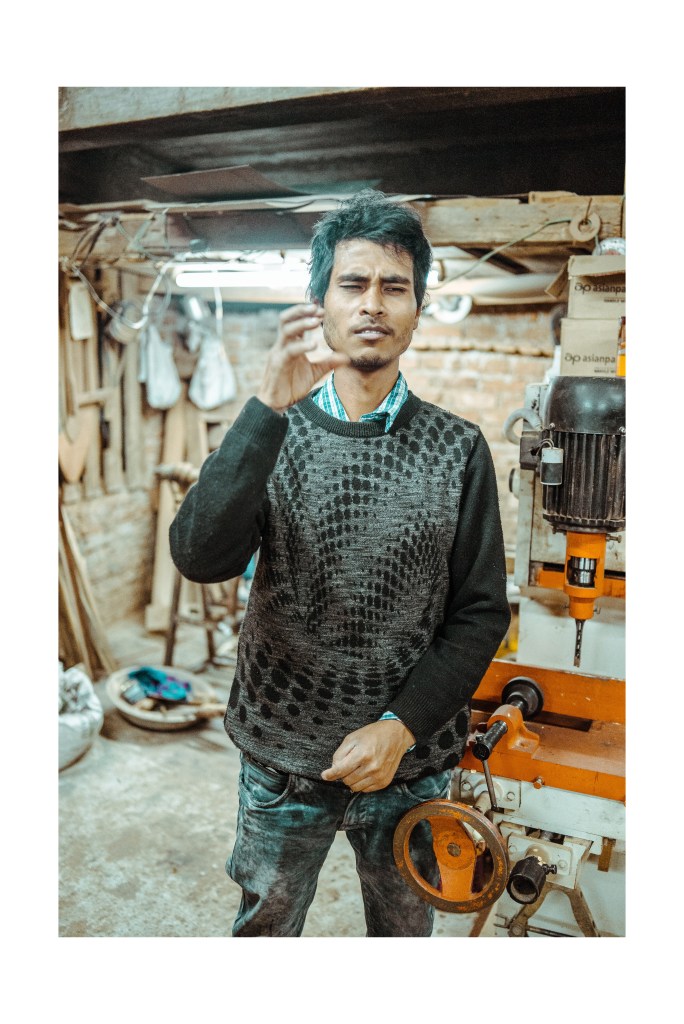
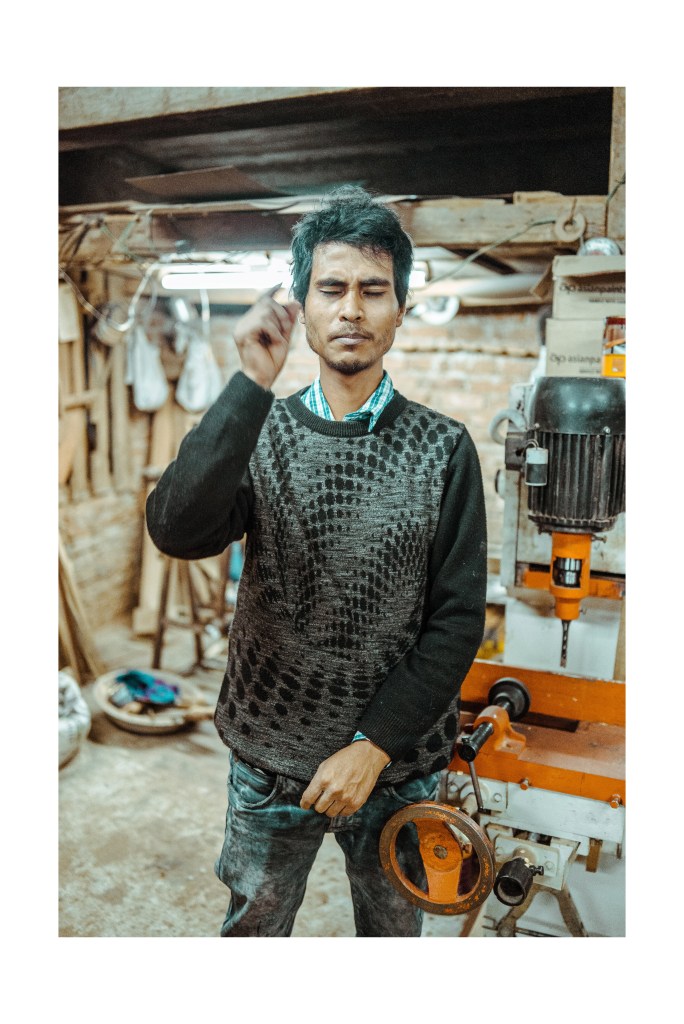
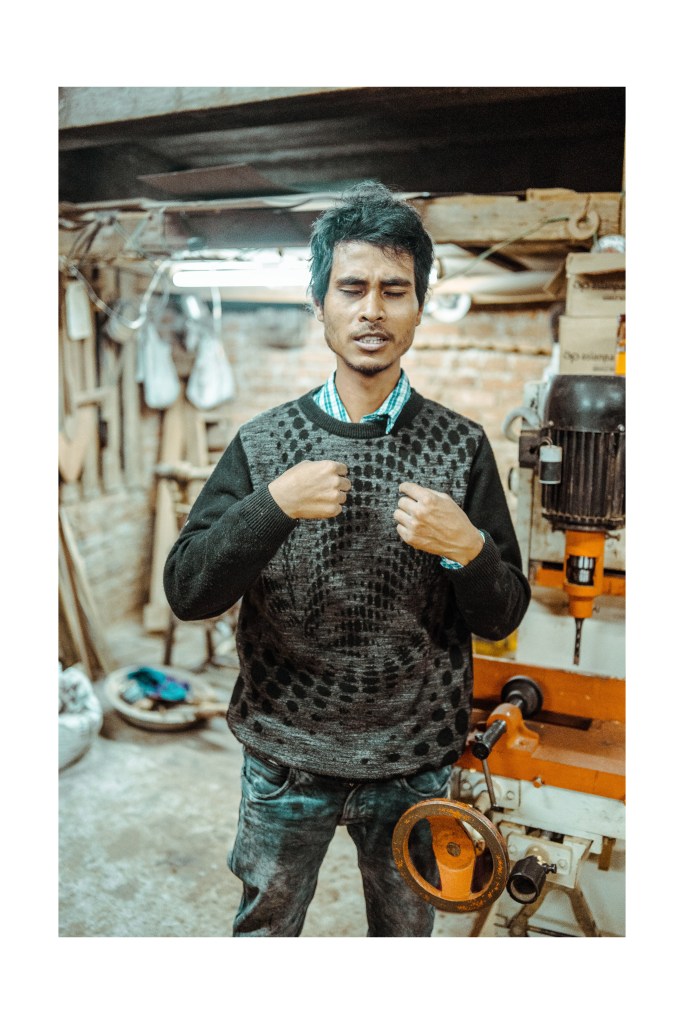
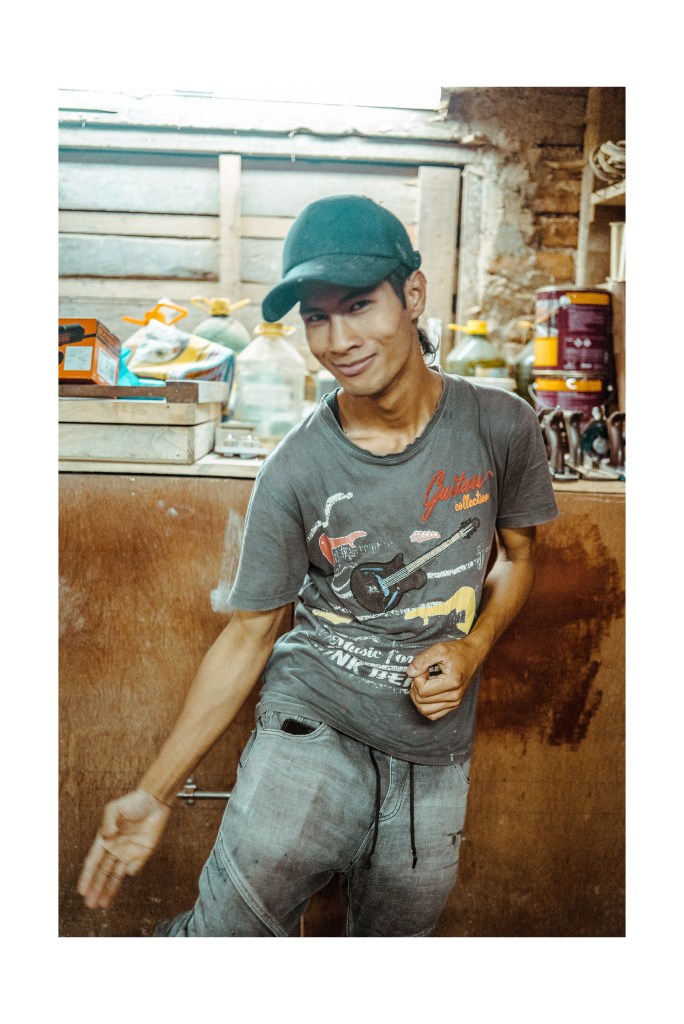
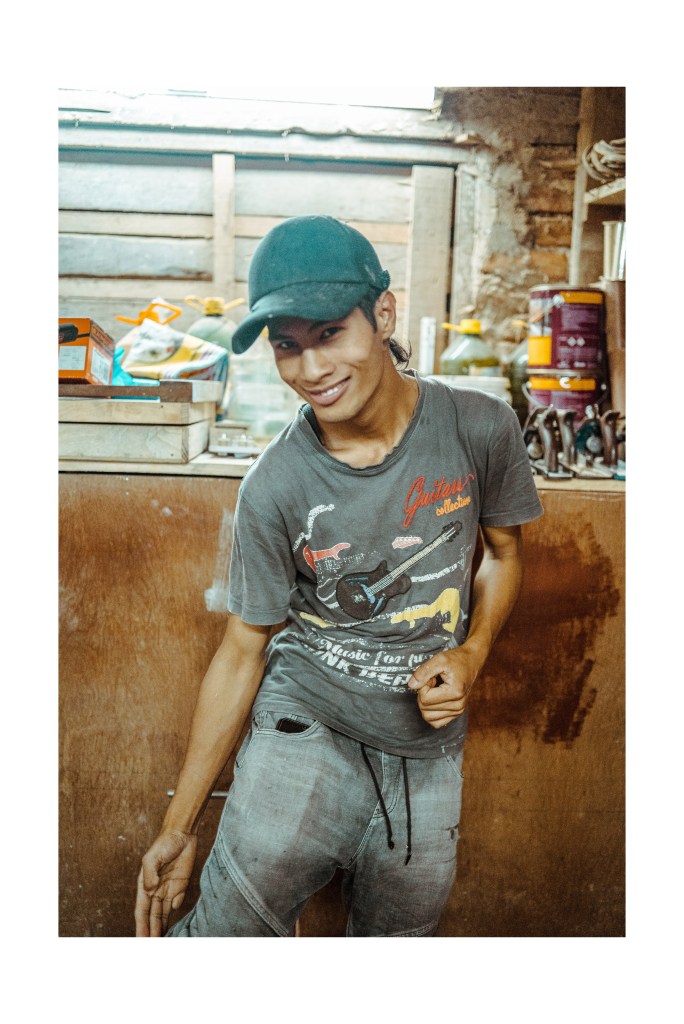
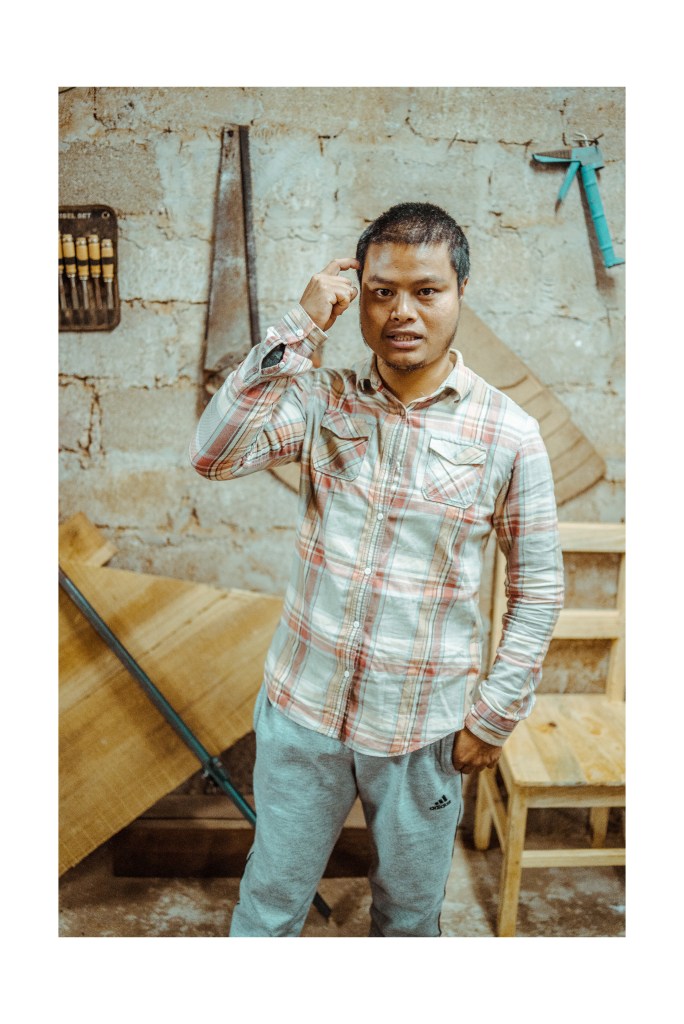
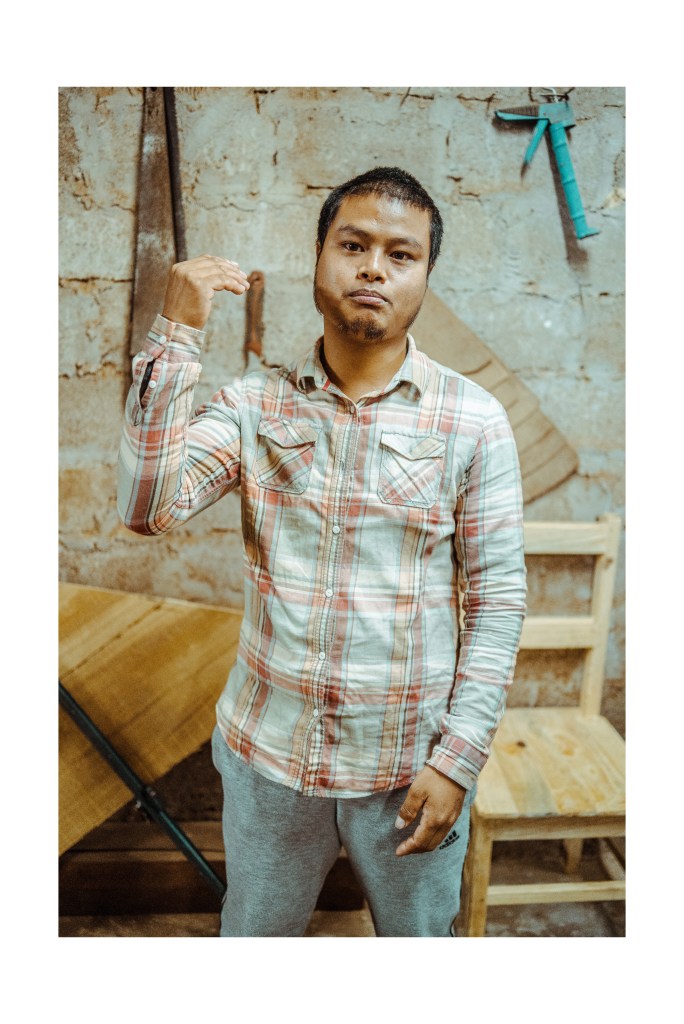
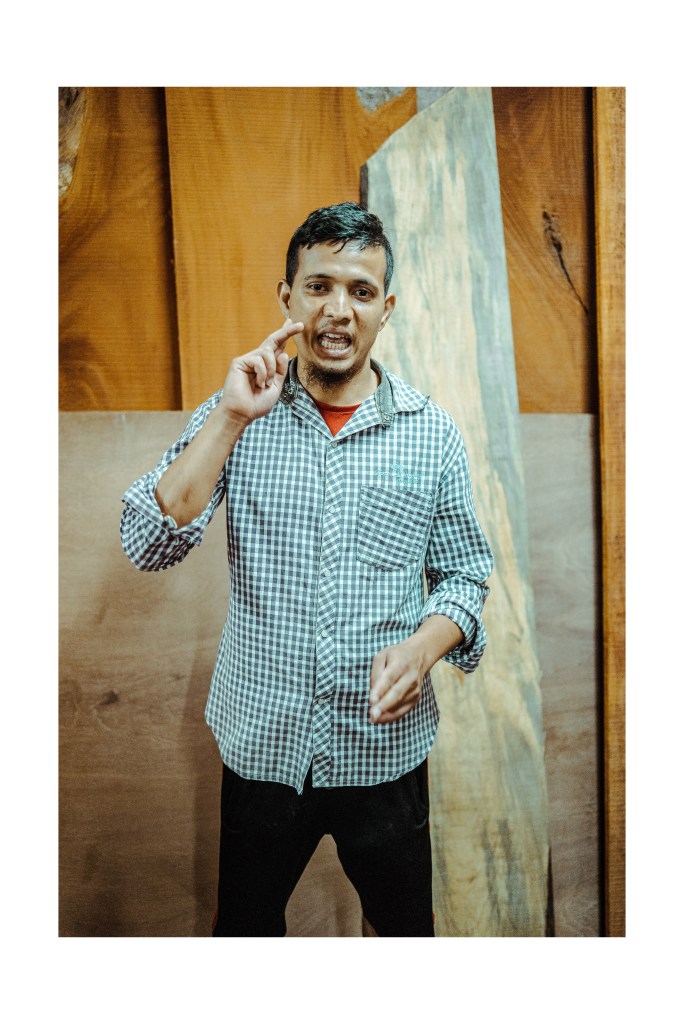
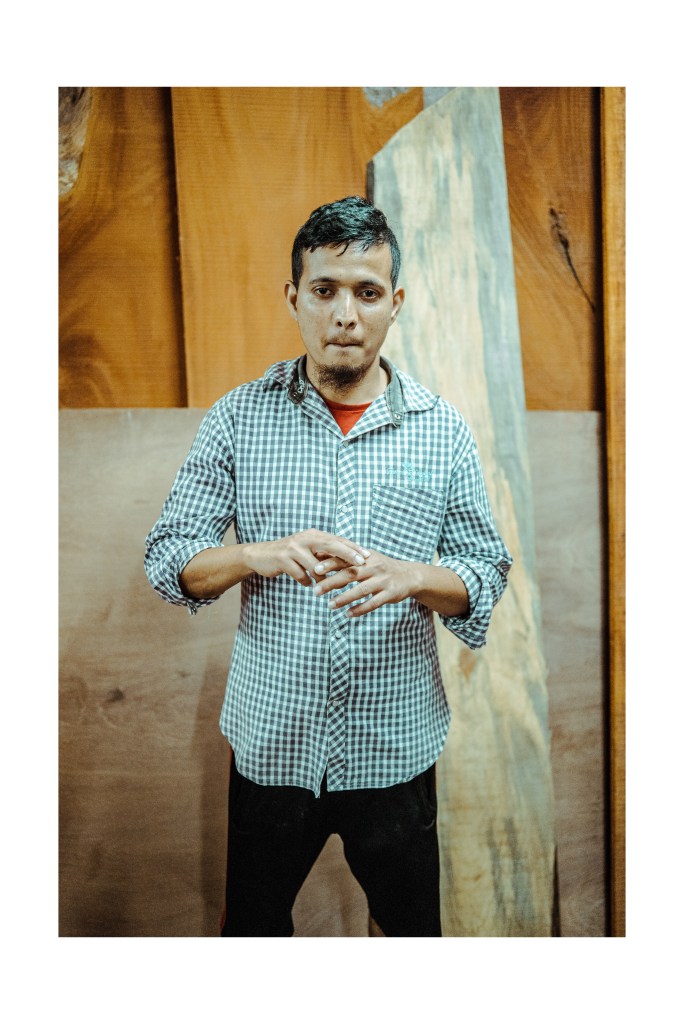
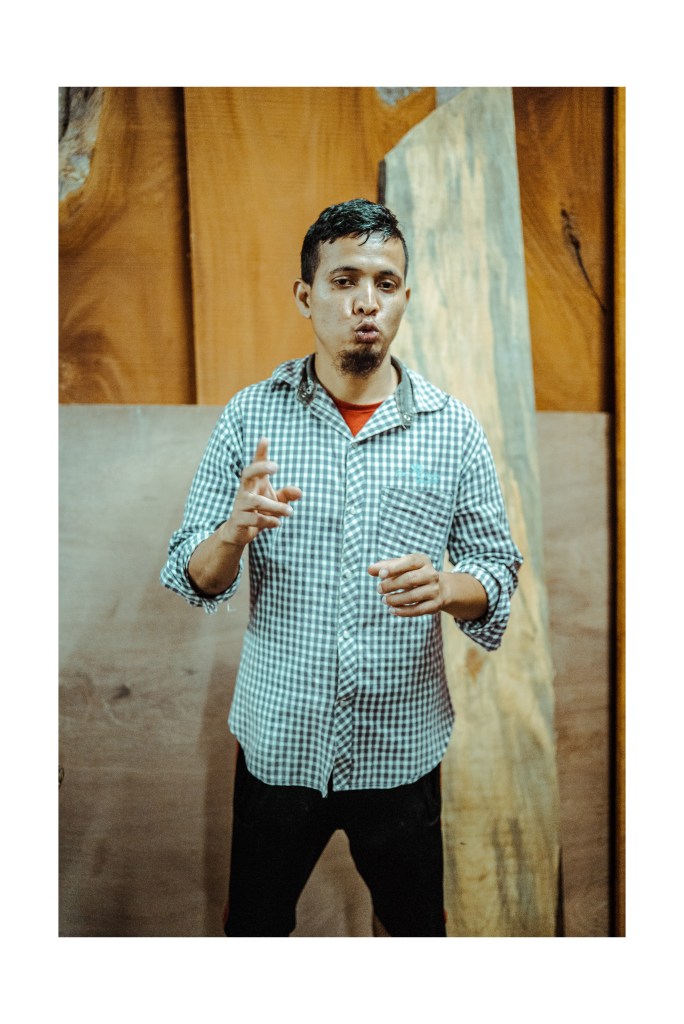
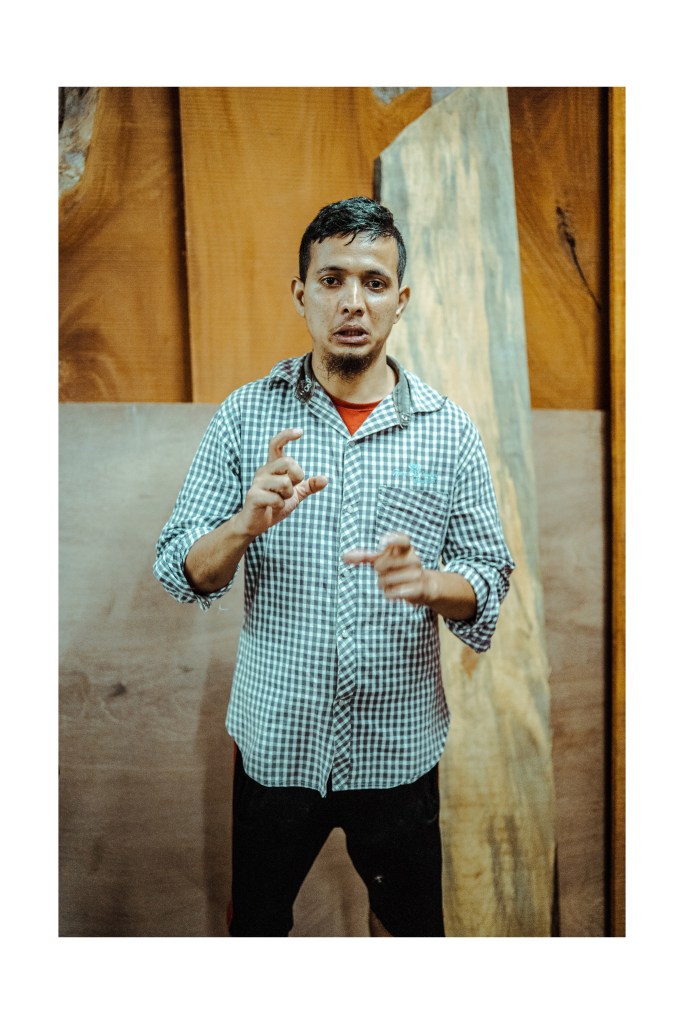
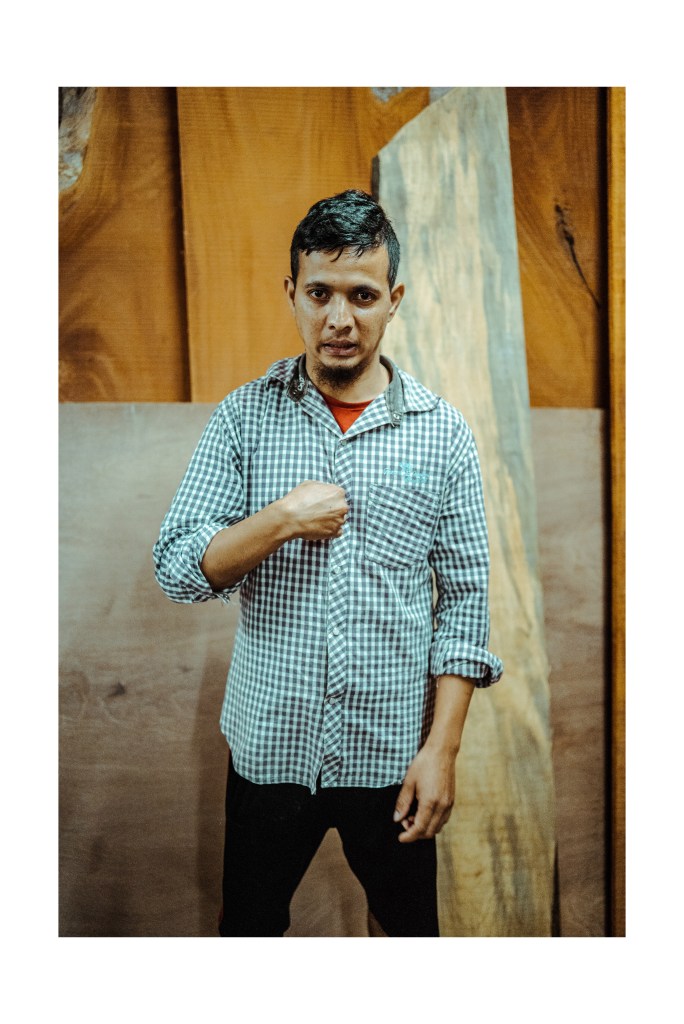
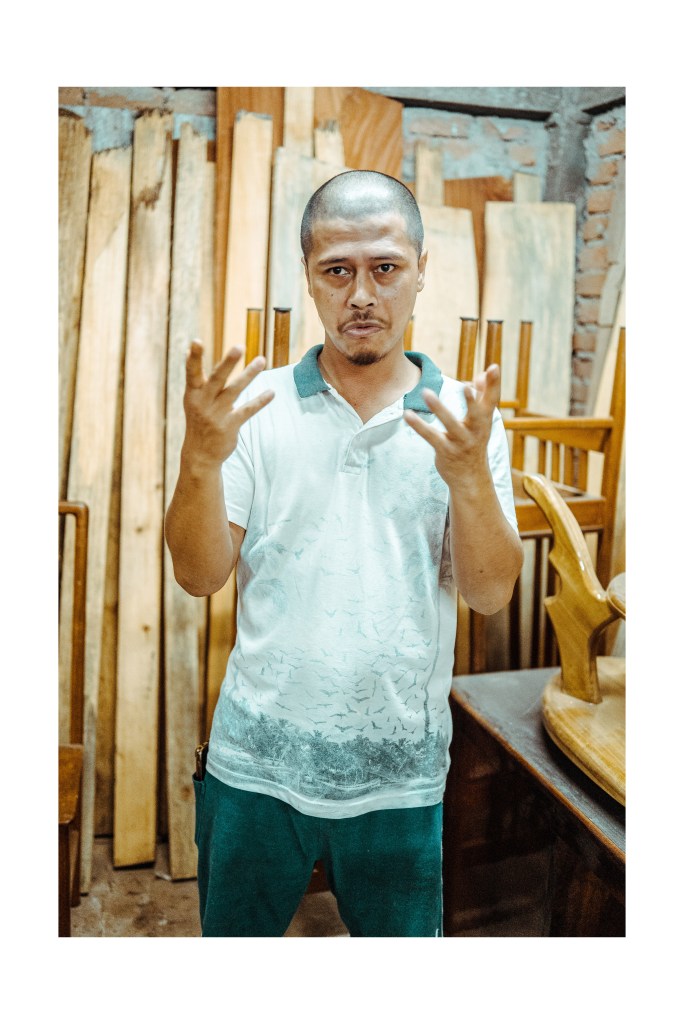
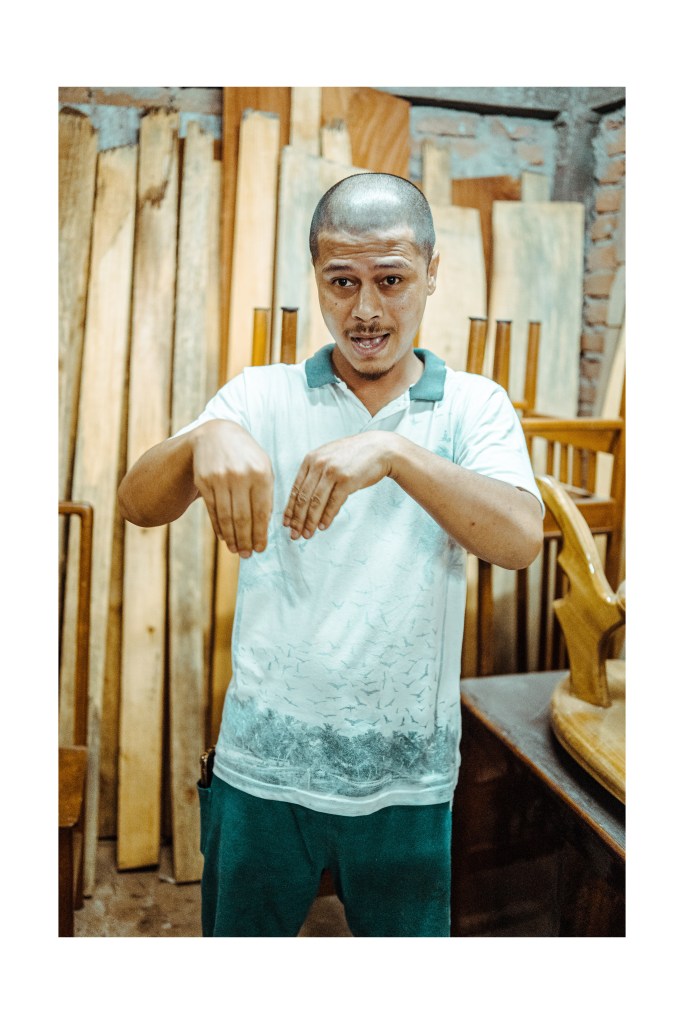
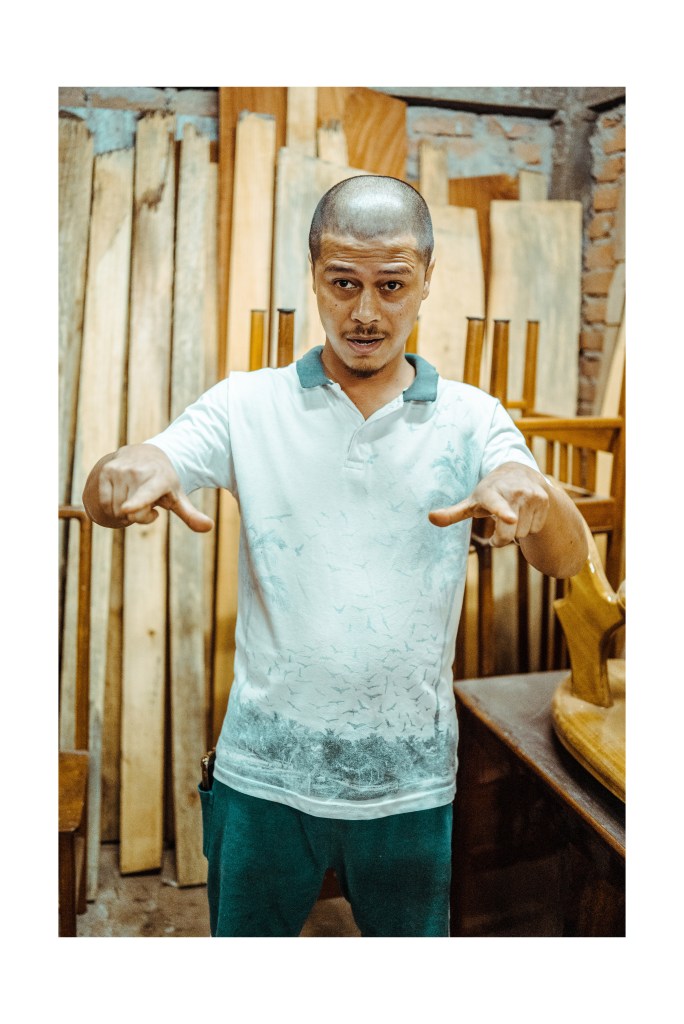
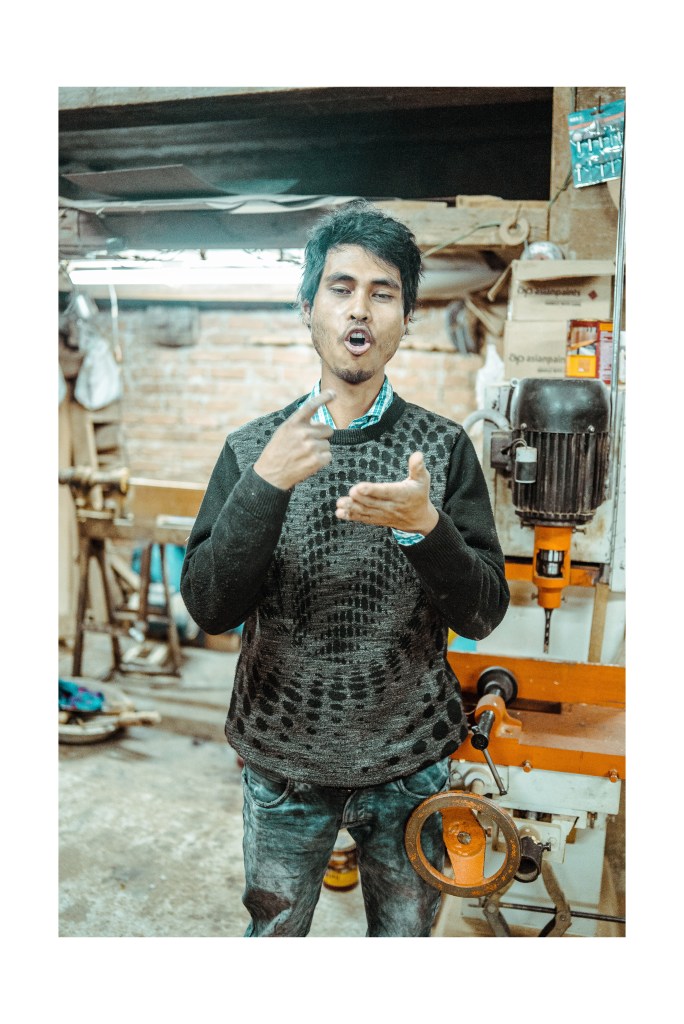
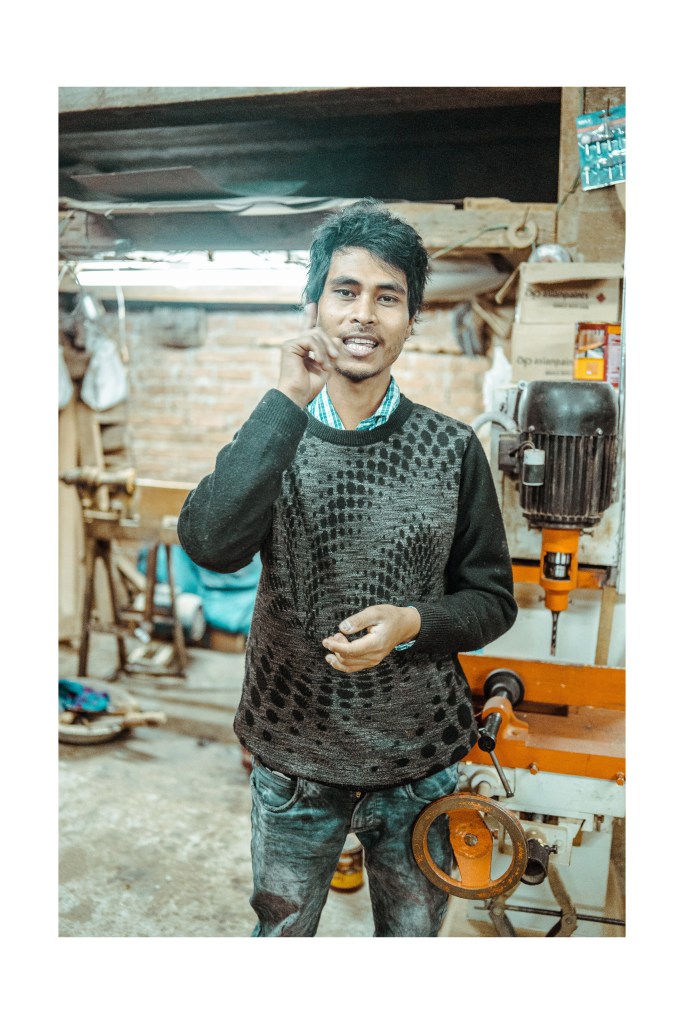
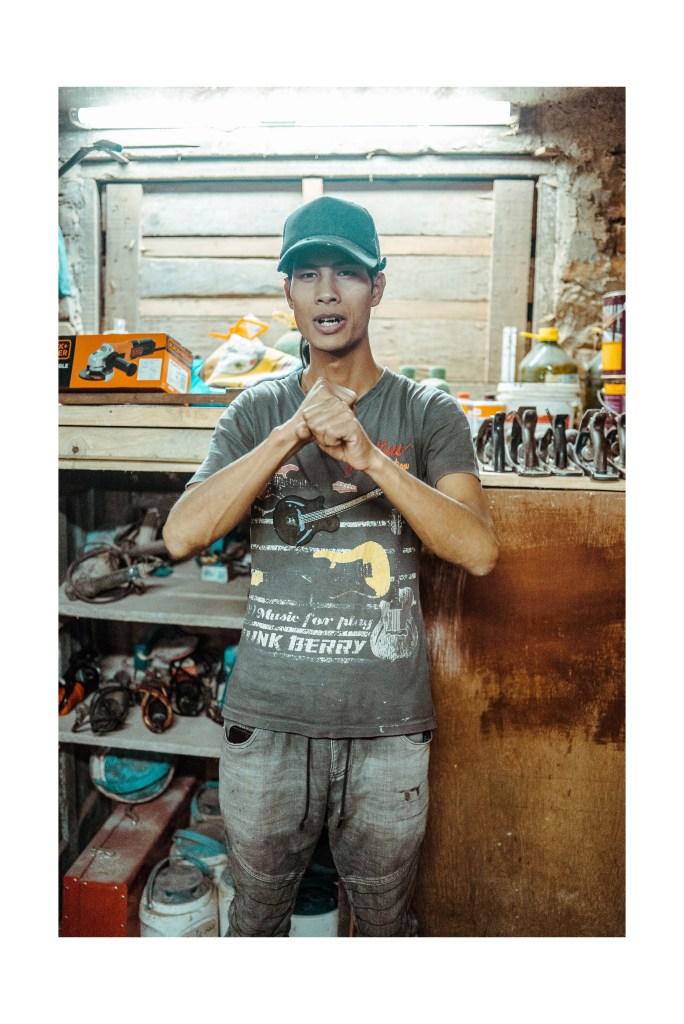
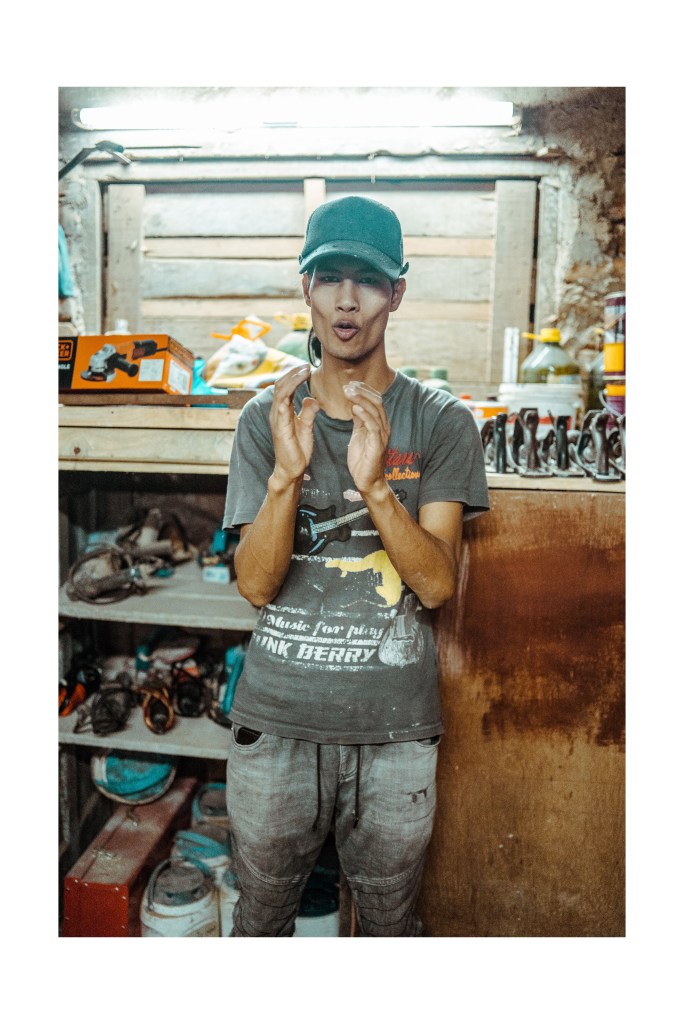
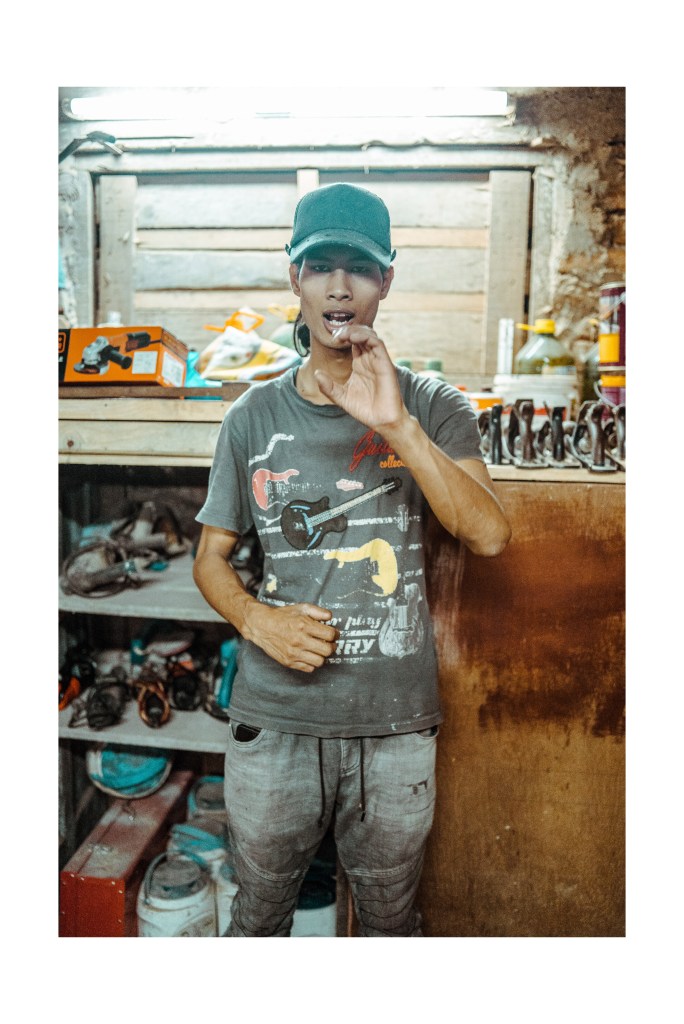
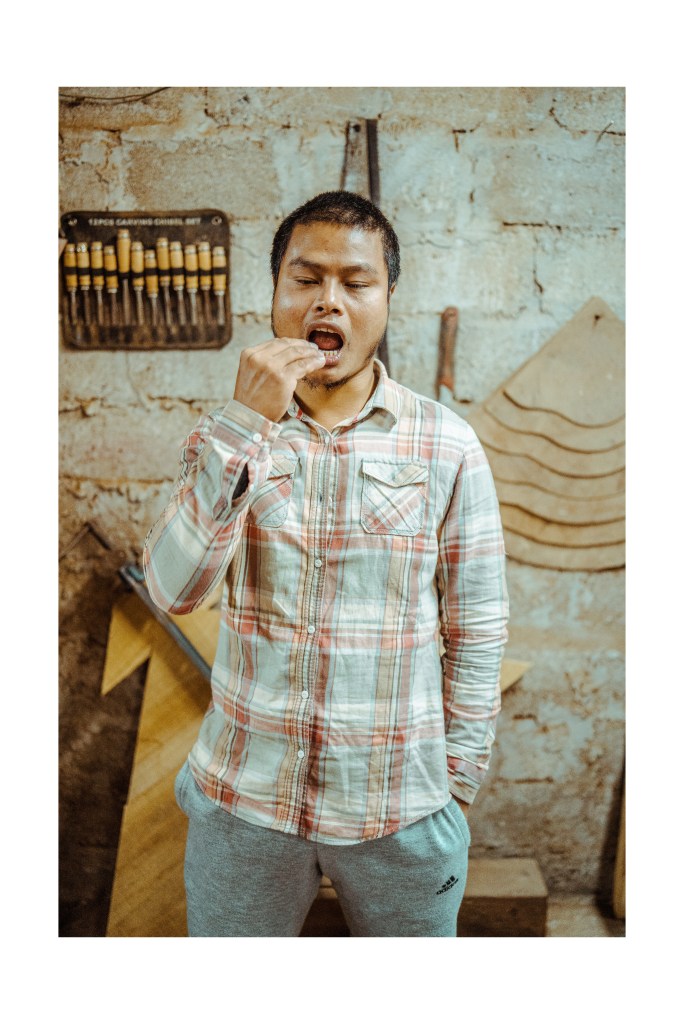
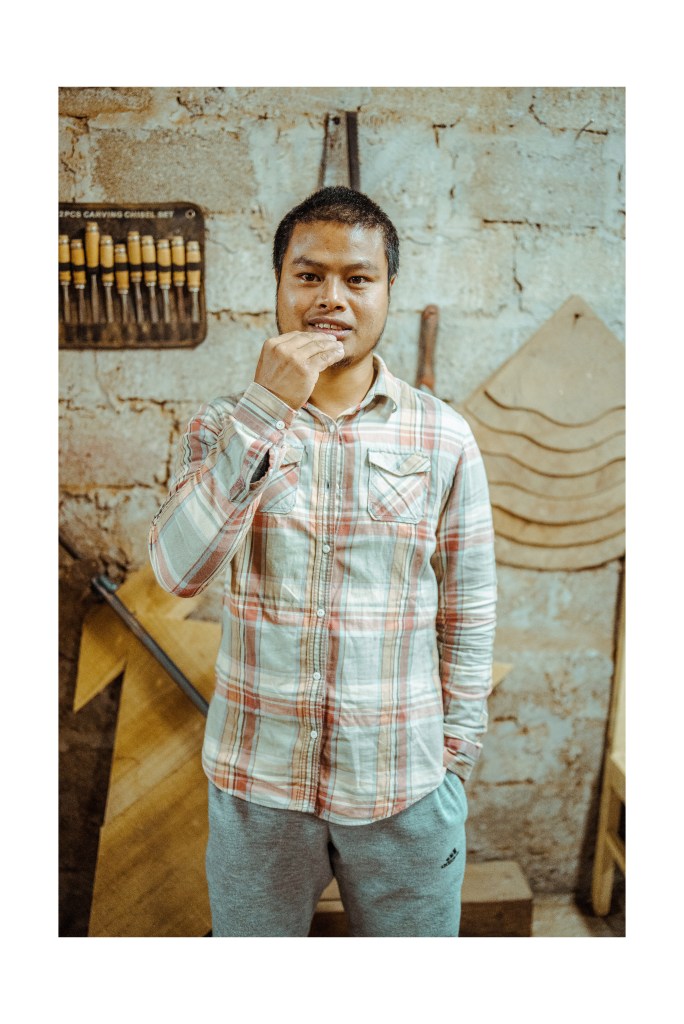
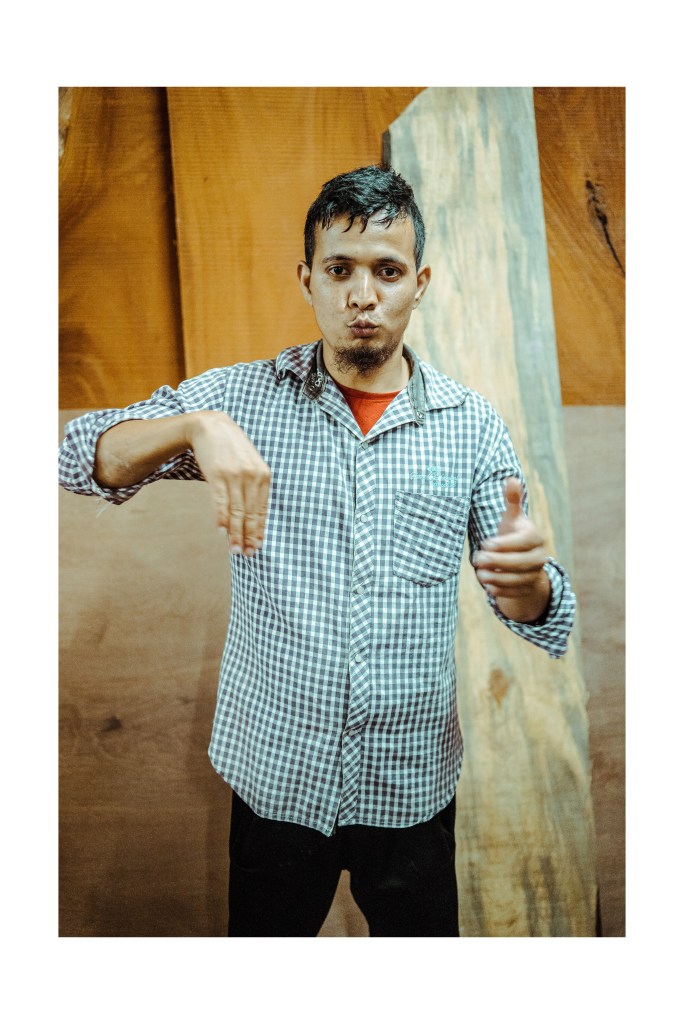
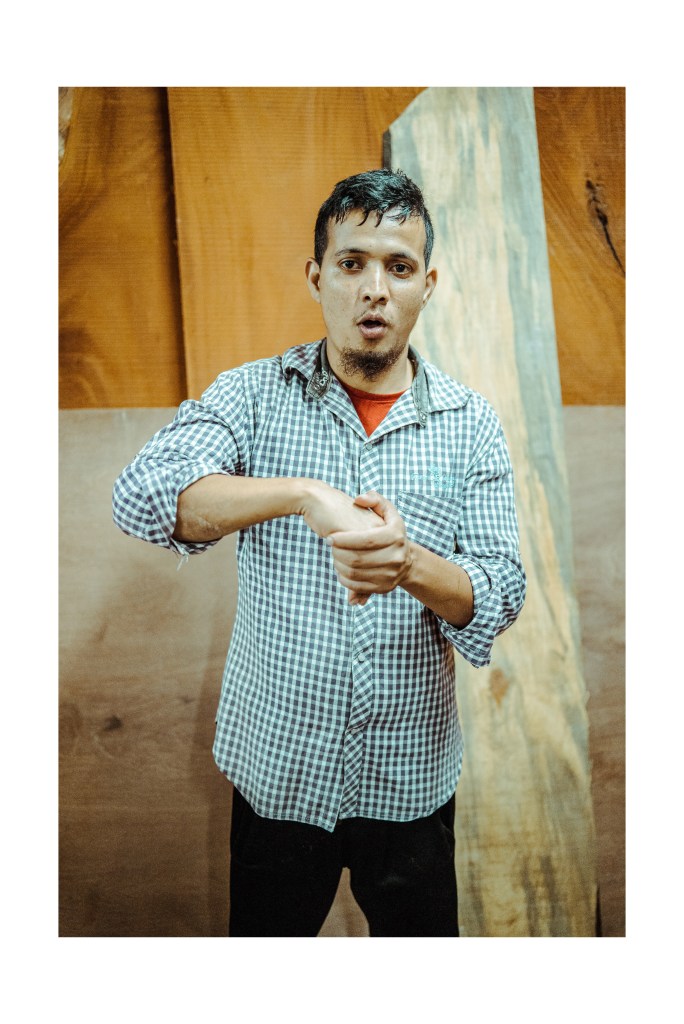
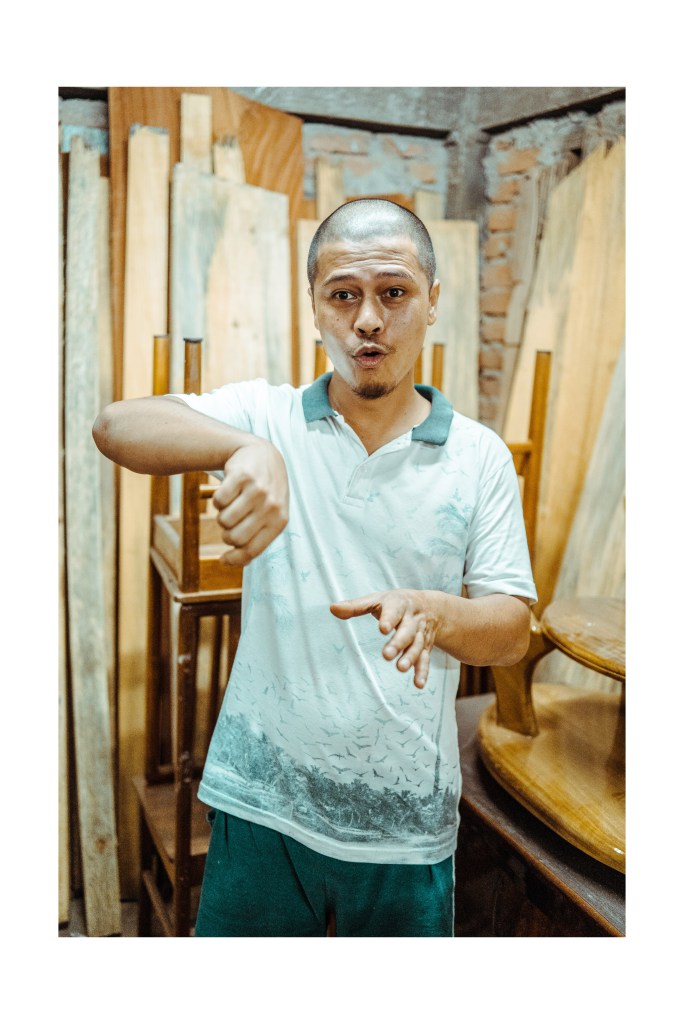
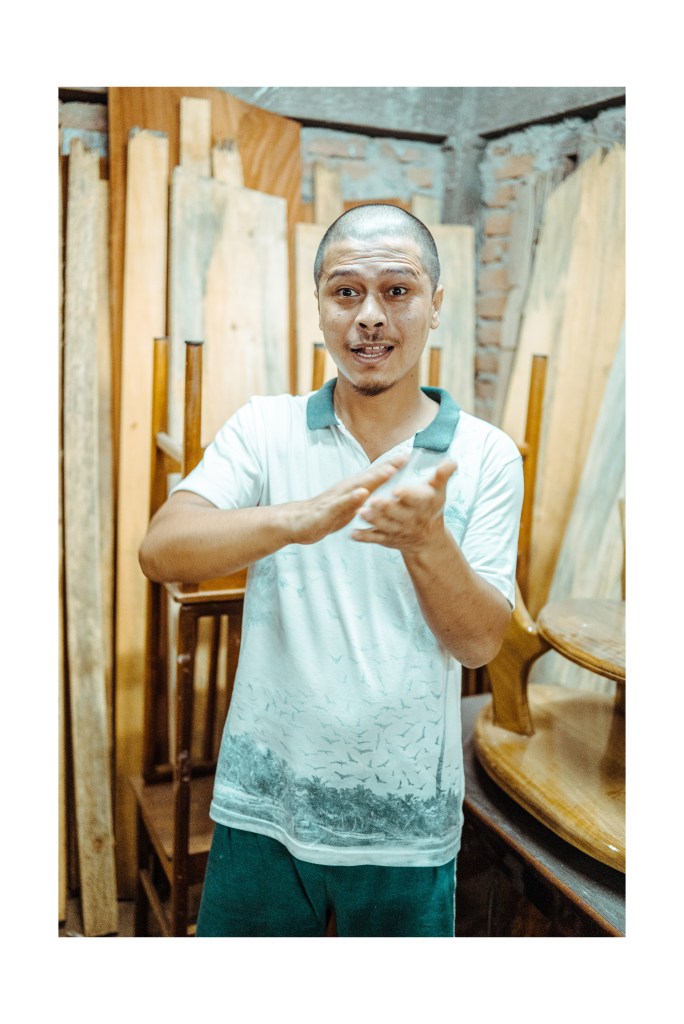
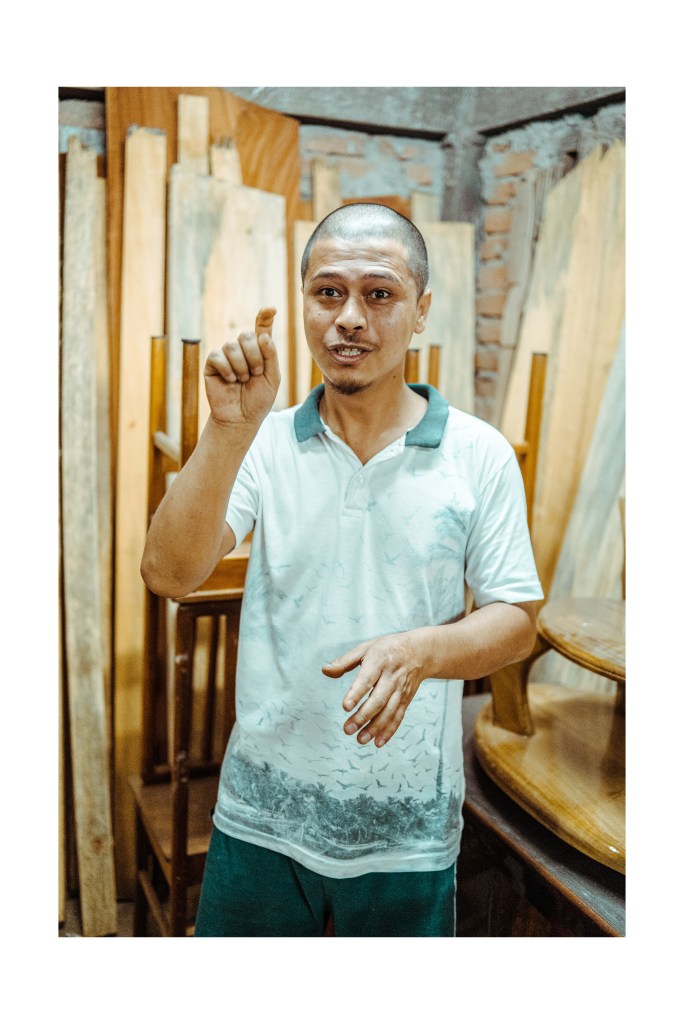
I’d like to introduce you to Benny Khongwir, a musical prodigy, a brilliant artisan, also a spiritual and moral esteemed “metalhead” and also a gentleman. He established his own enterprise, Divine Arts, which specialises in interior design and furniture crafts. He and his colleague Aining Lyngdoh, who is differently abled, started working together years ago, with hardly any standard tools, through blood, sweat and tears then gradually developed their brand up to where they are today, a group consisting of 10 members, the majority of whom have hearing loss. Benny recruited them and taught the fundamentals of using mechanical tools, as well as moral and spiritual guidance, in which they can have a bright perspective on the society and help them to able to move forward from darkness to light, which is the ONLY DISABILITY.
He would often say that the saddest thing about society is, its negative and condescending attitude and perception towards people with disabilities in their bodies. It is the last thing they ever want to hear. Surprisingly, they are more focused and hard working than anybody else, they have special God-given gifts. They should be considered equal, not to be stigmatised or mistreated. Benny, who is also a metal musician, the music community known for rebelious, anarchist and “satanic” ideologies, what most people often think, but like any other community or individual, often stereotypes come along, for me personally, as an individual who has been in the community for quite a long time, I would say that there are always the dark side and the good side of it and like Benny, he chose the good side of it, the community ideally captures and represent the voice of injustice, discrimination and fights against inequality and the prejudice misconceptions of society in a positive manner which is represented in good deeds towards the society itself. No alcohol, cigarettes or tobacco consumption is allowed within the group. They maintained a strict religious code of conduct and encourages social participations such as birthday celebrations, picnics, festivals and many more, in order to make life brighter and more meaningful.
Benny Khongwir. Founder of Divine Arts and frontman & vocalist of the metalcore band Wreckless ShadowDivine Arts crew and the band membersWreckless Shadow performing at a club in Shillong, IndiaThe Divine Arts Crew
The common disability is the social factor of lack in engagment with the local community. That seems to be a “bond” of understanding or a psychological relation that I share with them. But throughout the years I have learn and imitate to adapt within society. I have always been a spectator of society. I feel that the disabilty for me is, not willing to hear the noise of the crowd, trying to become like one. These characteristics have been a decisive turning point of my life.
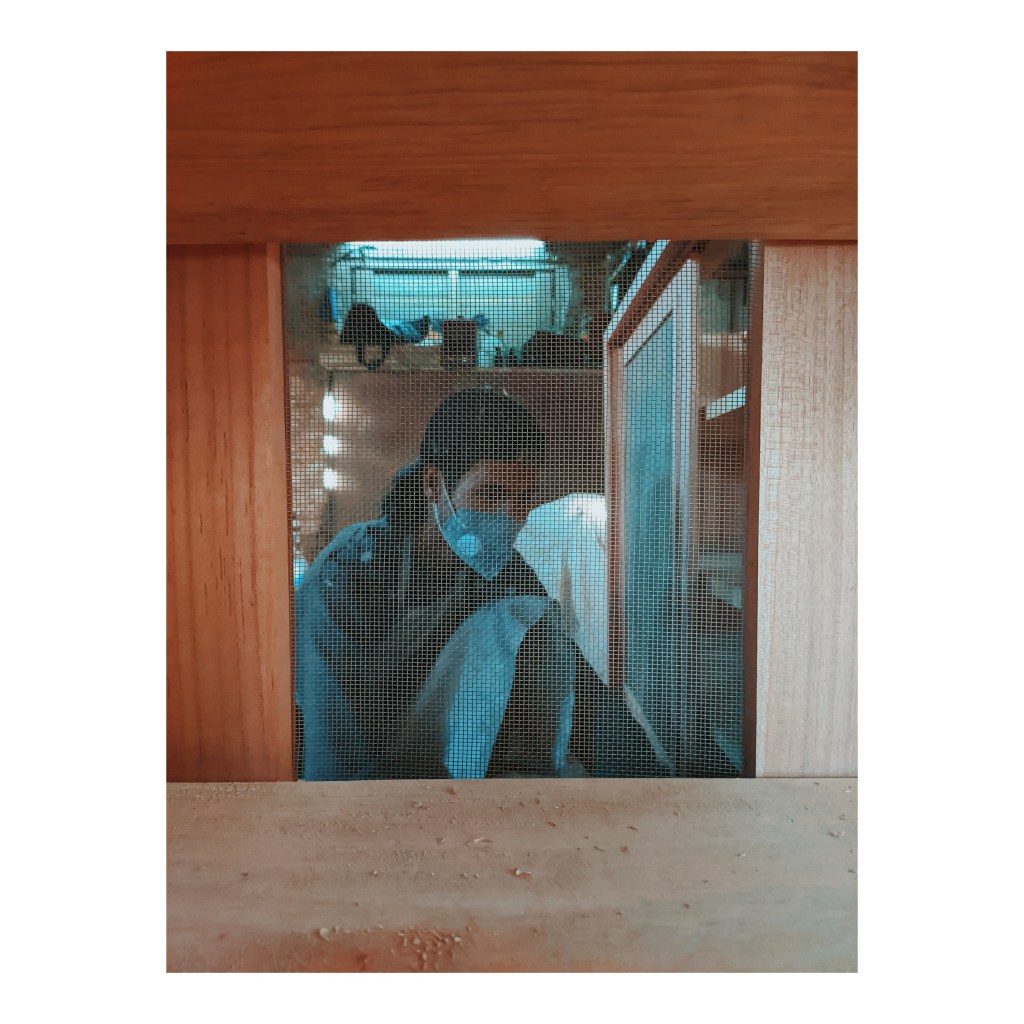
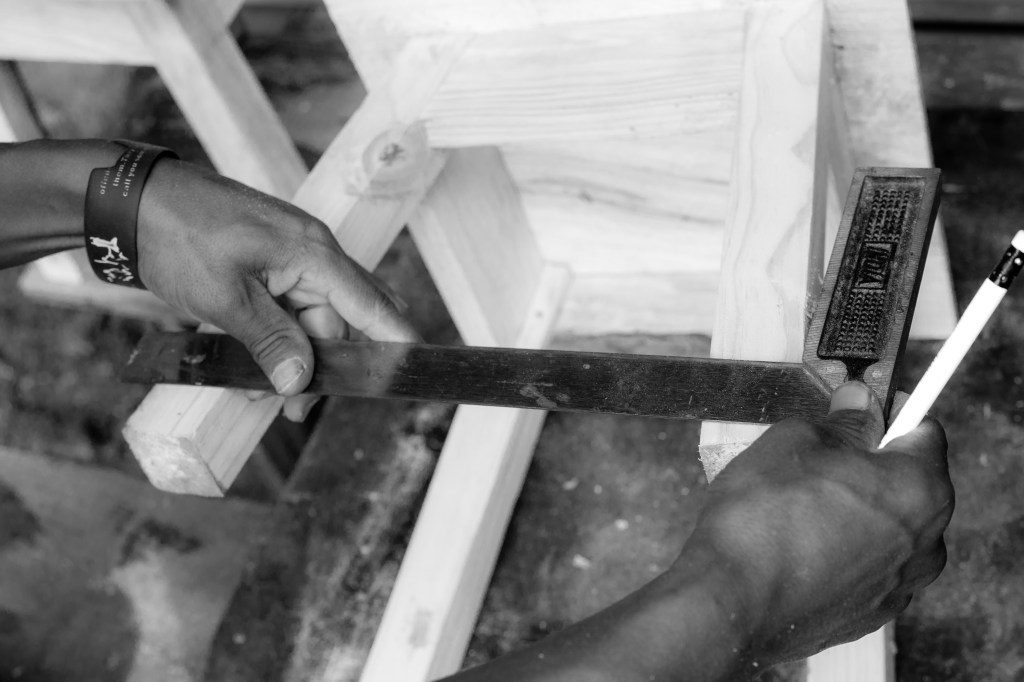
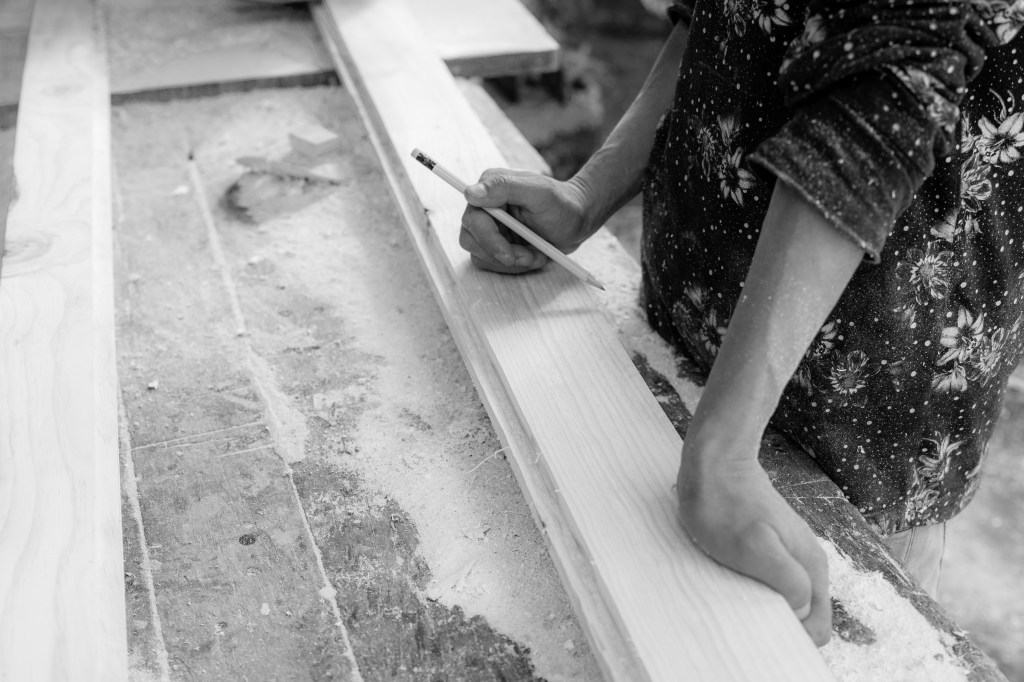
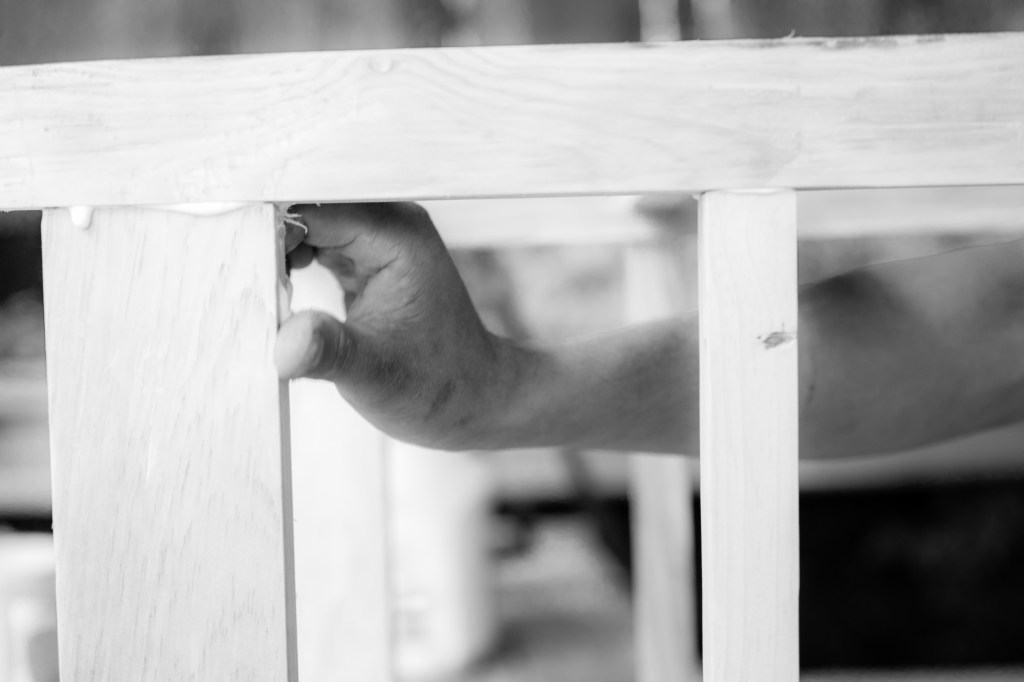
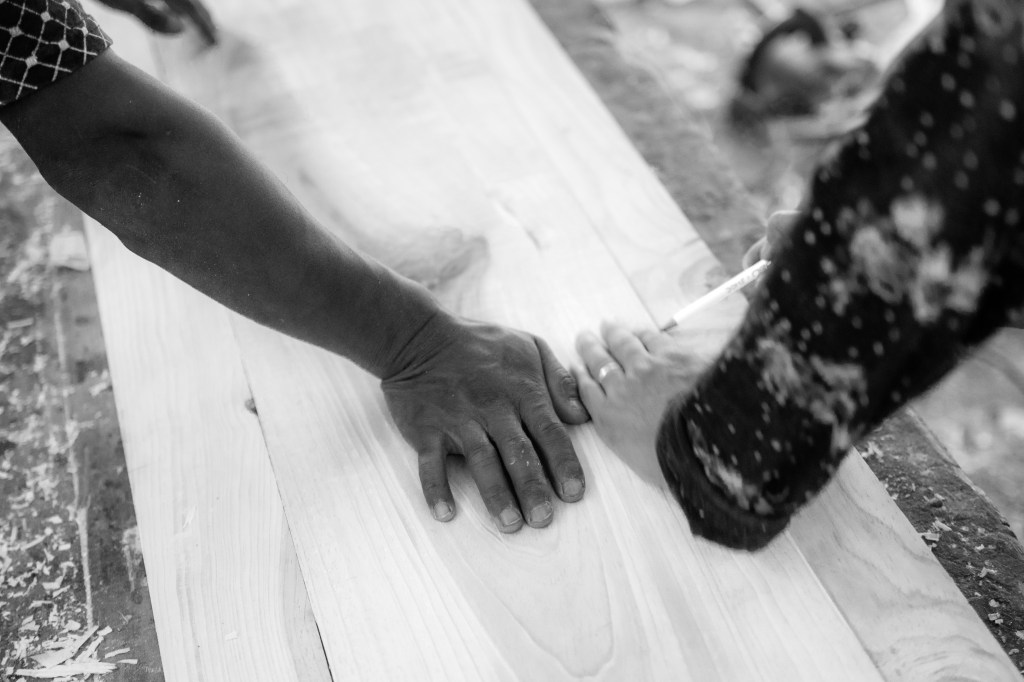
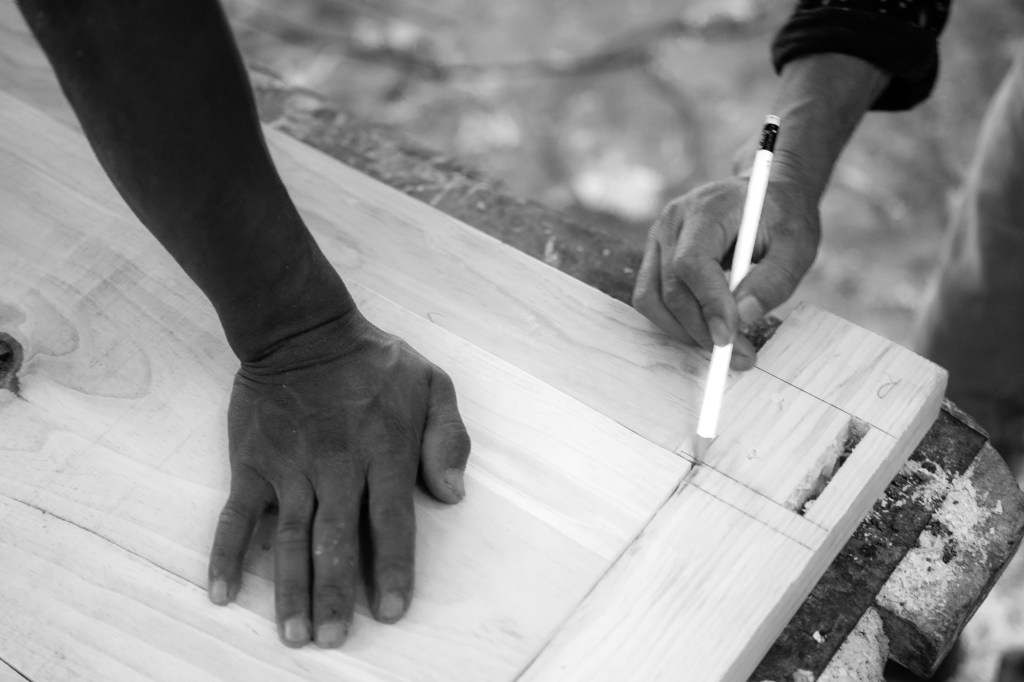
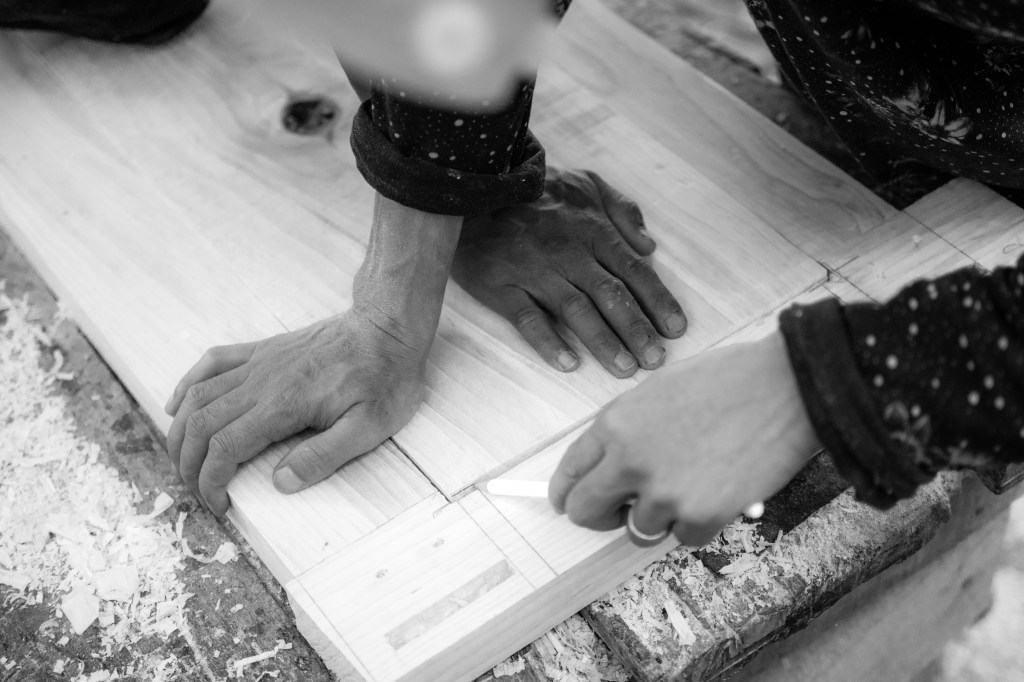
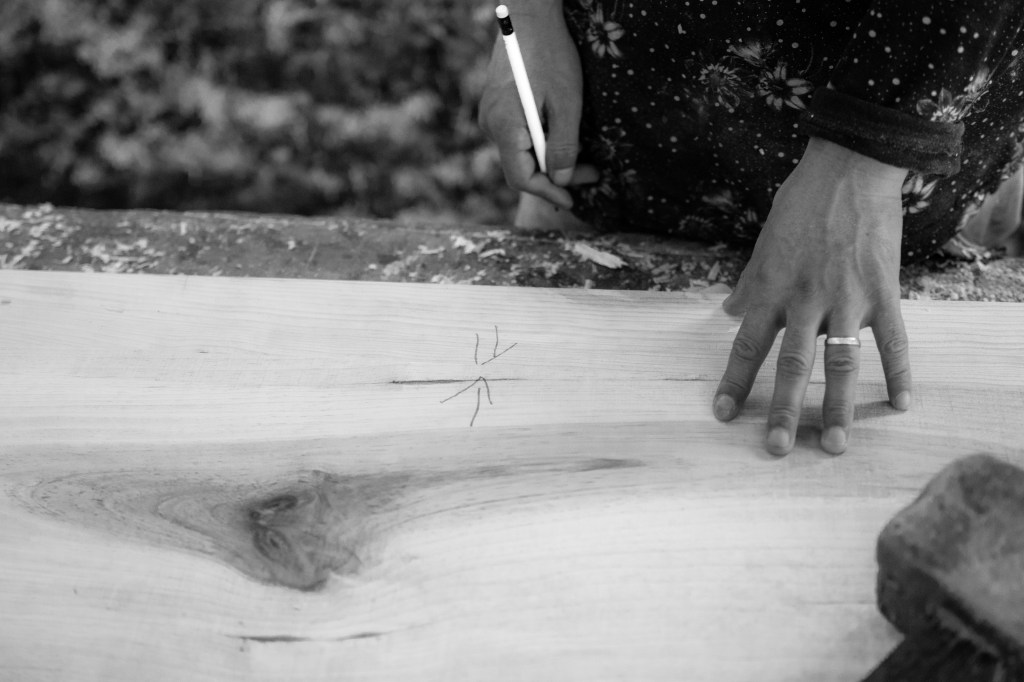
I first looked at their facial expressions and hand gestures as they communicate with each other as I started documenting them while they were working. I was surprised at the profound feeling of serenity on how they perceive their work with such calmness and without lack of focus. There is something about it that captivates my imagination, especially while looking at their hands. It was a moment of epiphany, to just look at their hands and imagine that they can talk and communicate, but also function simultaneously. God works in mysterious ways. Without a doubt, face the greatest fears in life and conquer them with love, grace and forgiveness. To serve God, is to serve humanity. As I journey with them, life has unveiled the deeper layers of the purpose of existence.
The mind of society is the disability and not the participants of it. If only we choose love and let go of these negative stigmas of “conservative and traditional” beliefs, I think the world would be a better place.
The world is changing and we should adapt to these changes but also carry our traditional and conservative beliefs that brings unity and discipleship in a society and not perverting them to one’s own narcissistic influences.

 Allaboutphoto