Street Photography

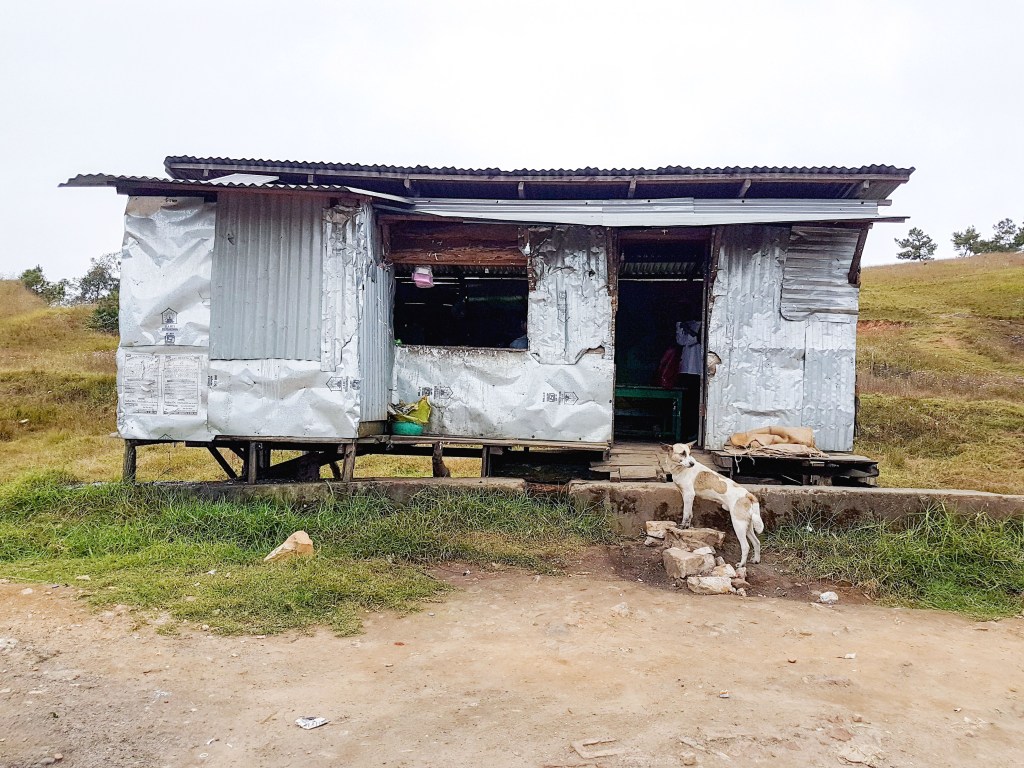
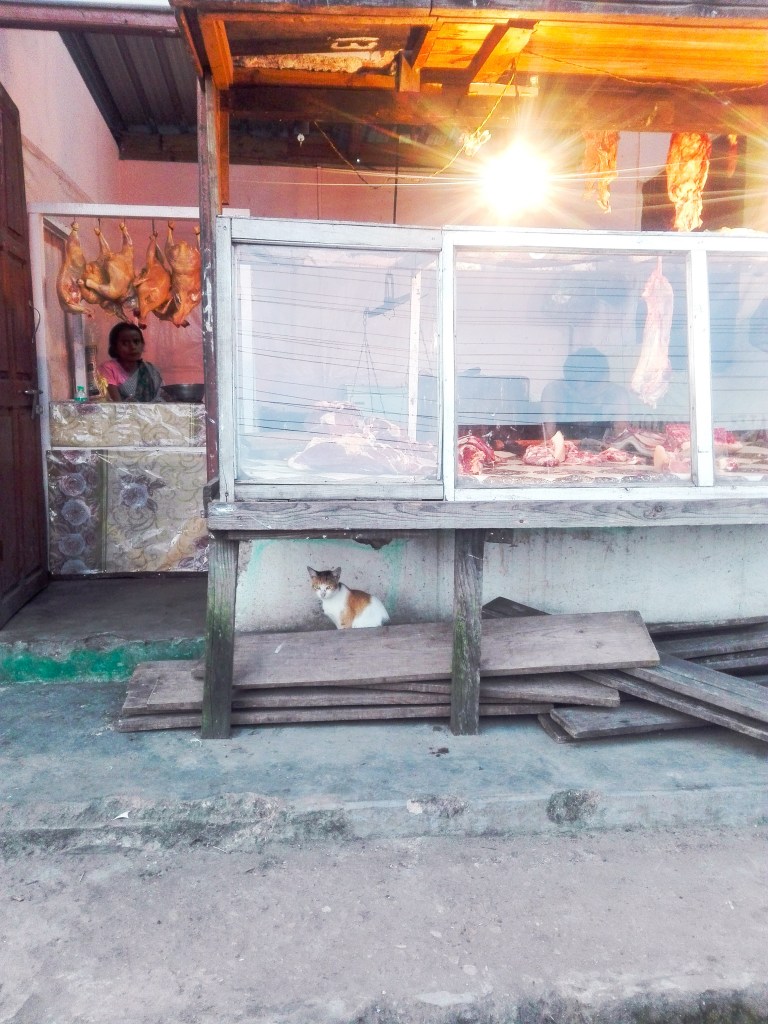
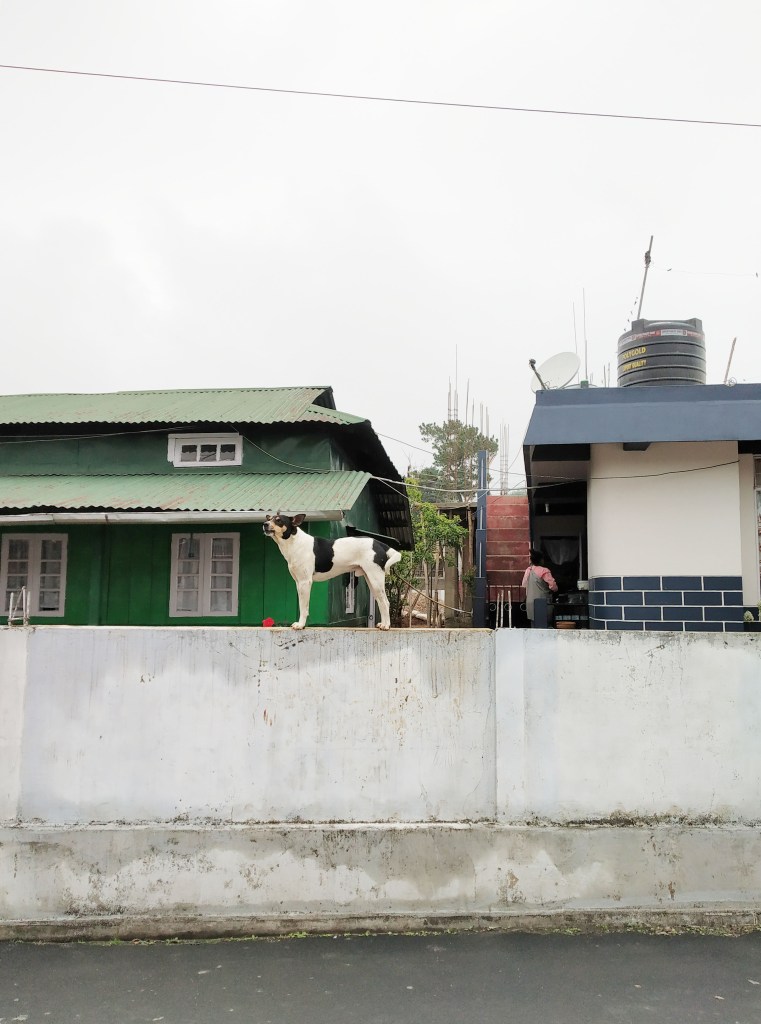
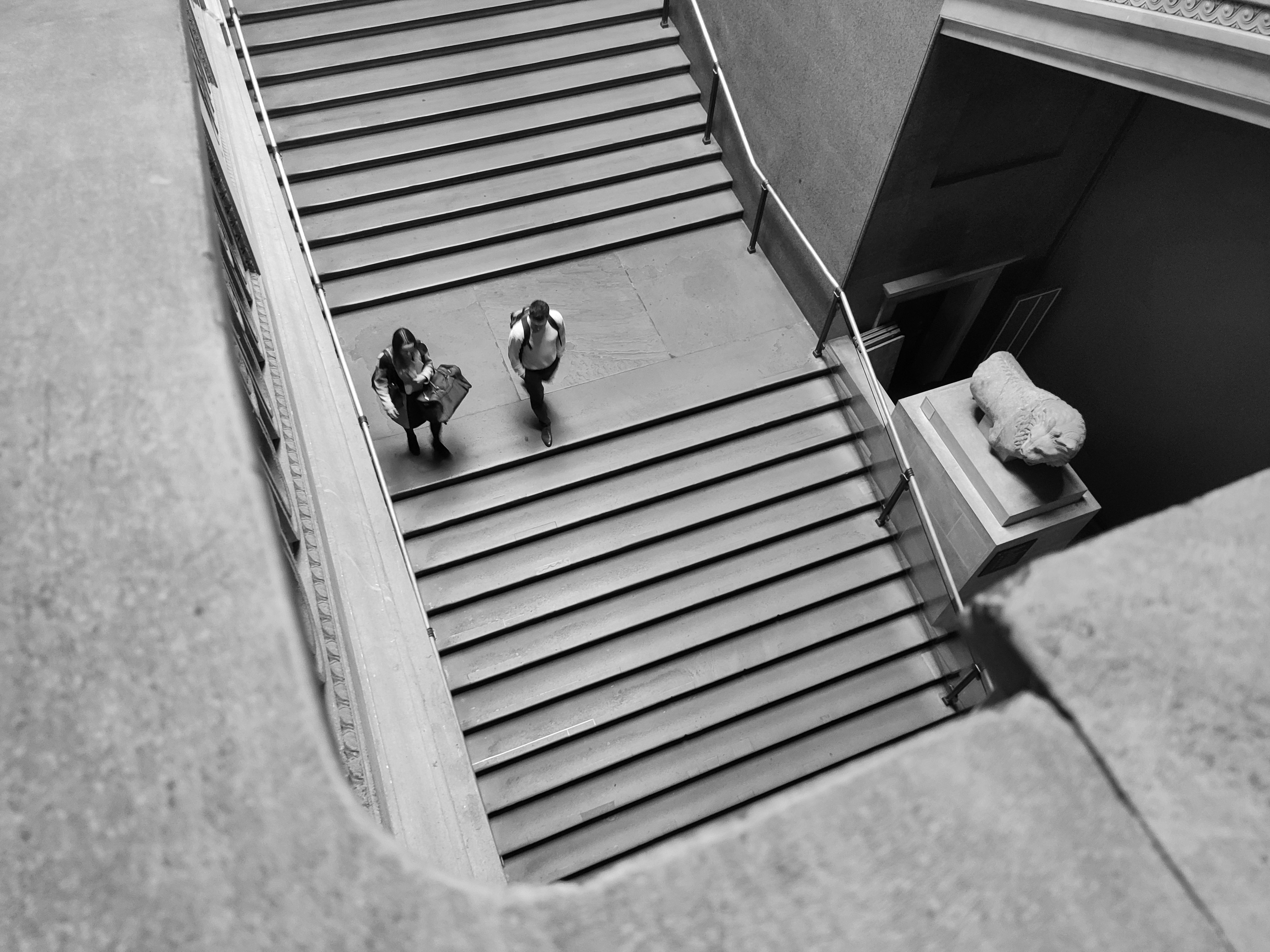
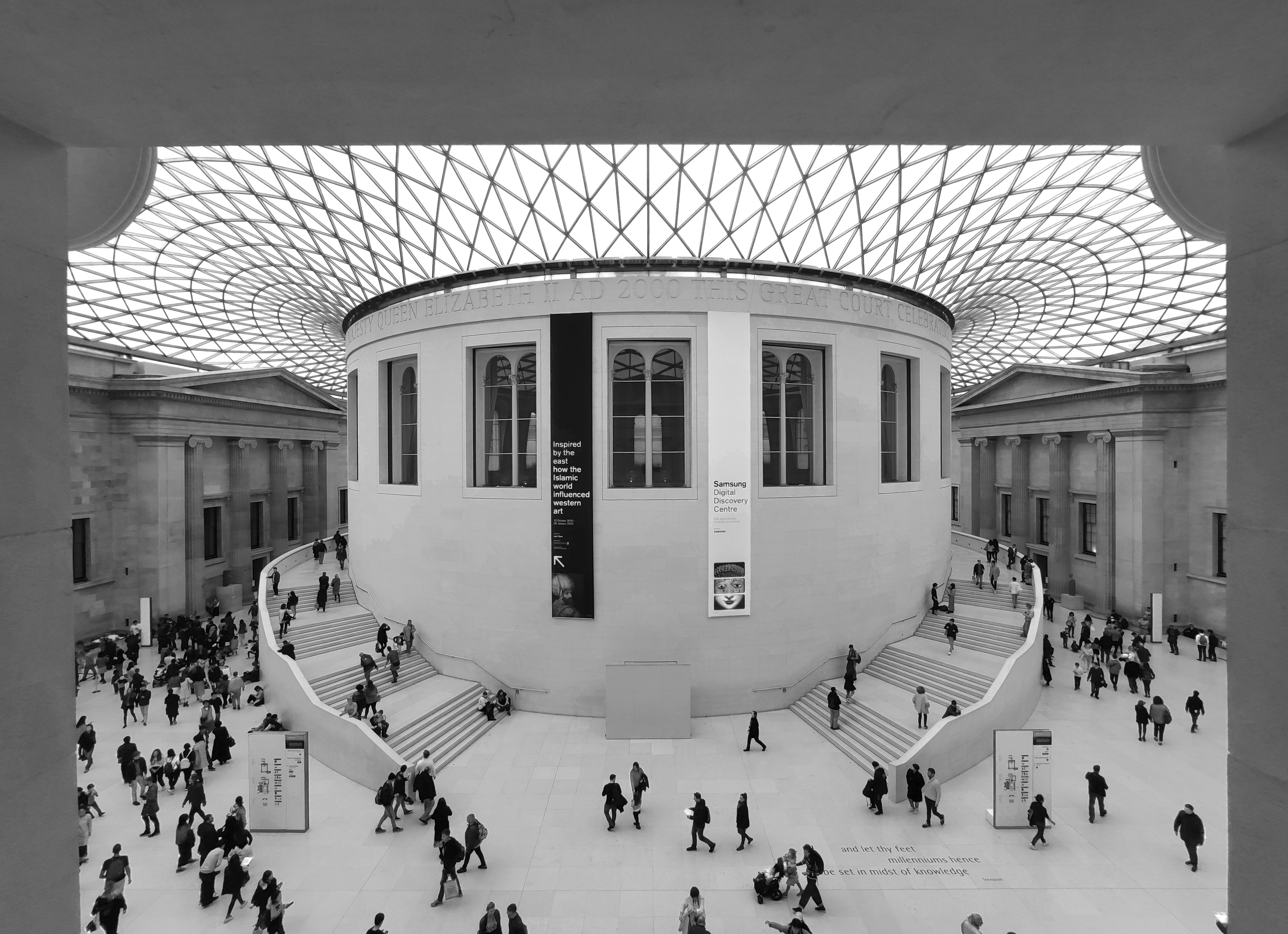
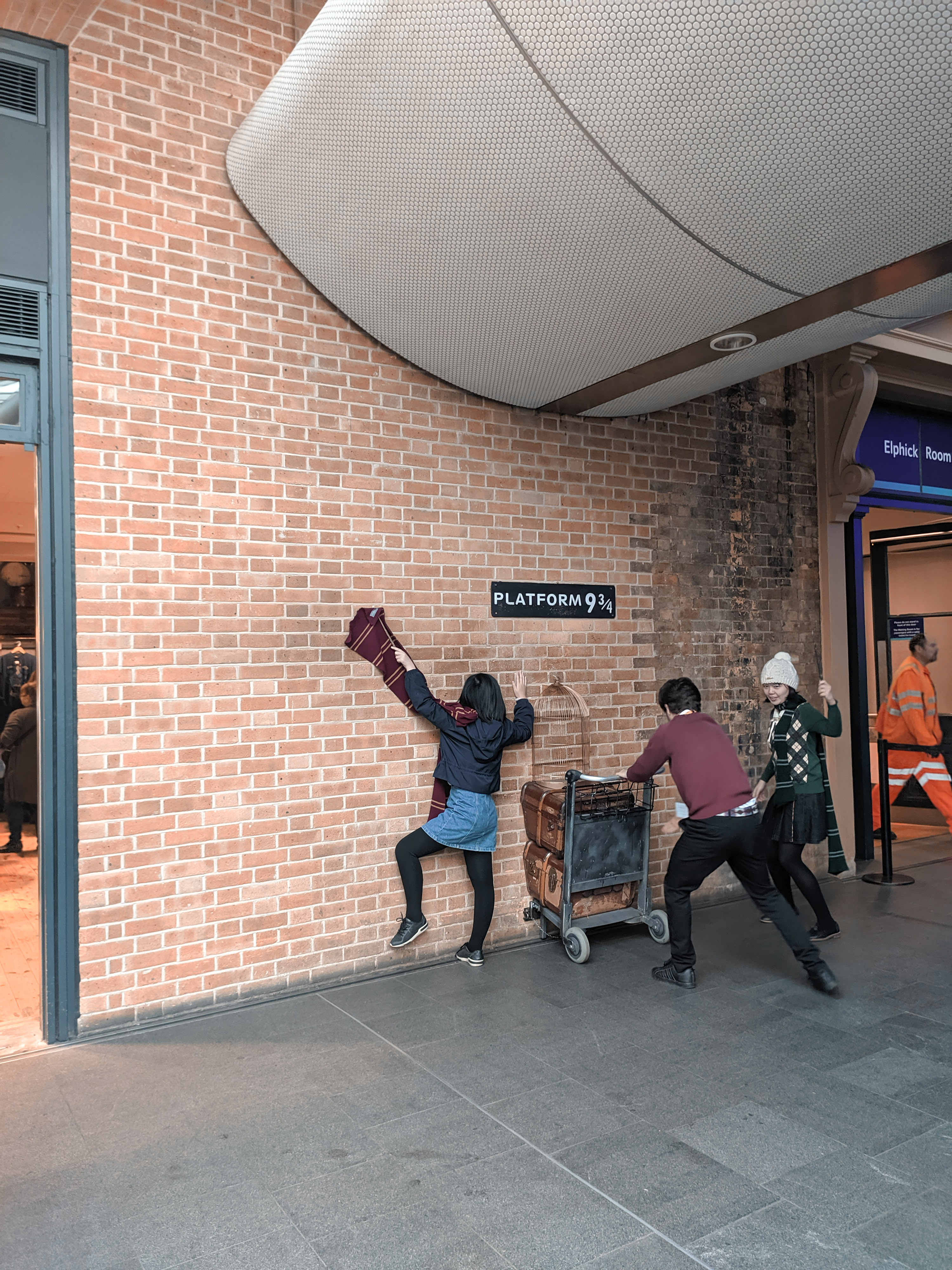
Street photography is one of the most difficult, yet at the same time one of the most satisfying genres of photography. Documenting people in their everyday environment is not easy–it requires patience, hard work, and sometimes even courage to be able to approach and photograph complete strangers. Typically, street photography is about the candid capture of life in public spaces. 

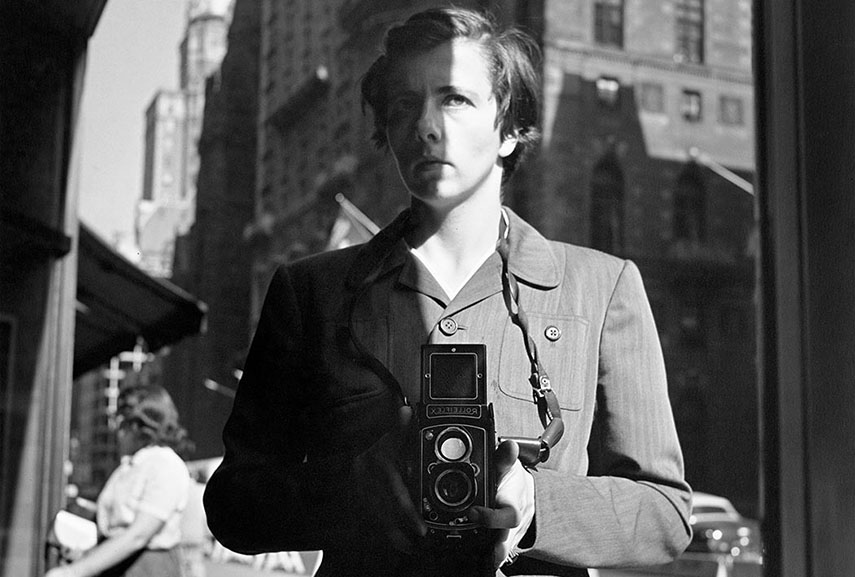
I was inspired by photographers such as Vivian Meier, Lee Friedlander, Steven Mccurry and Ansel Adams. They all have different styles and visual perspective. I tried my approach to visually replicate their styles and to play around with my camera settings and framing.

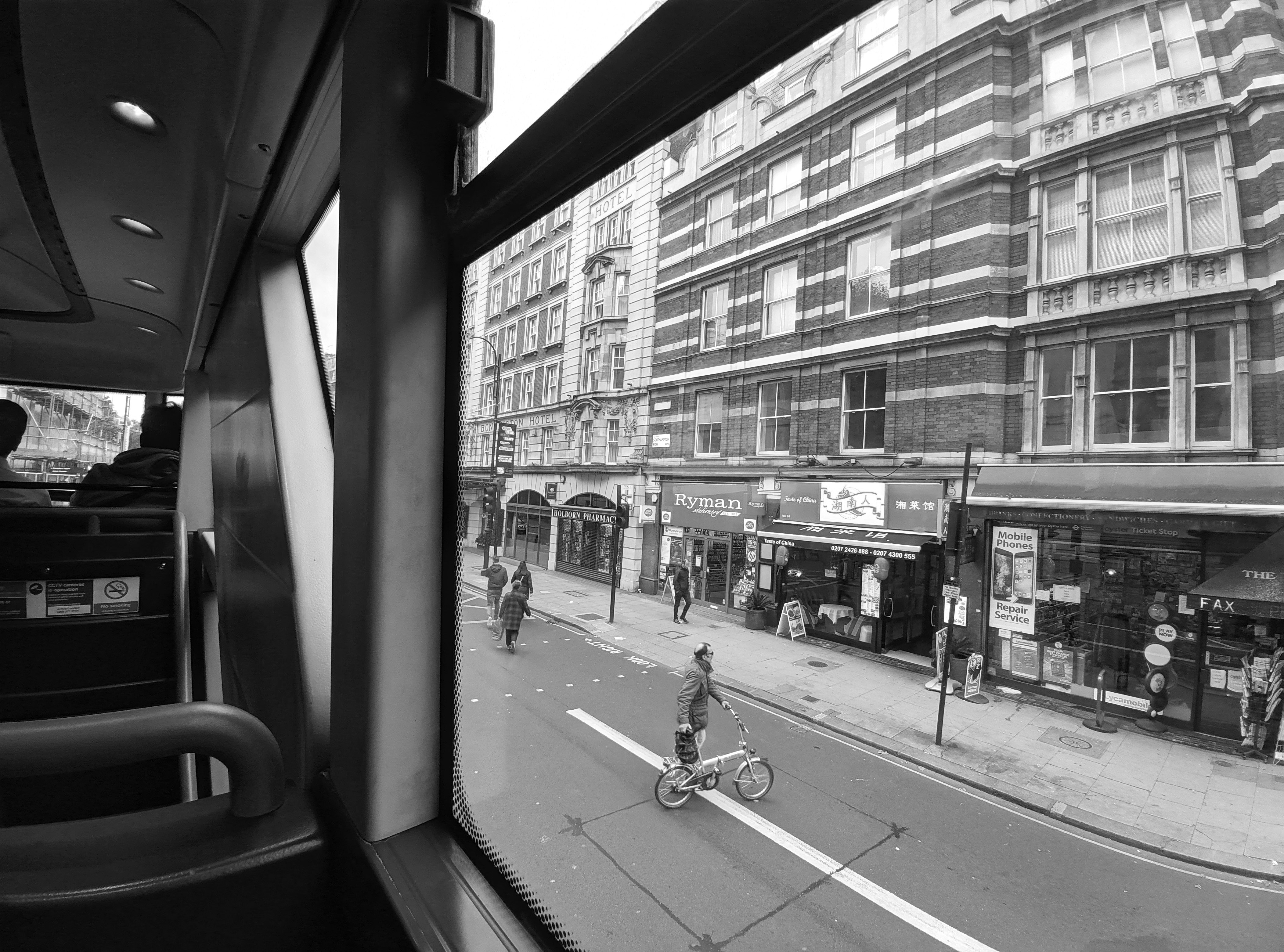
Street photography is a question of documenting daily life and society. Personally, I do not think it is necessary to take street photography in the street. You can shoot at the airport, shopping centre, beach, park, bus or subway, doctor’s office, grocery store, or any other public place.

 Throughout street photography, the most important thing is to portray feeling, compassion, and spirit.

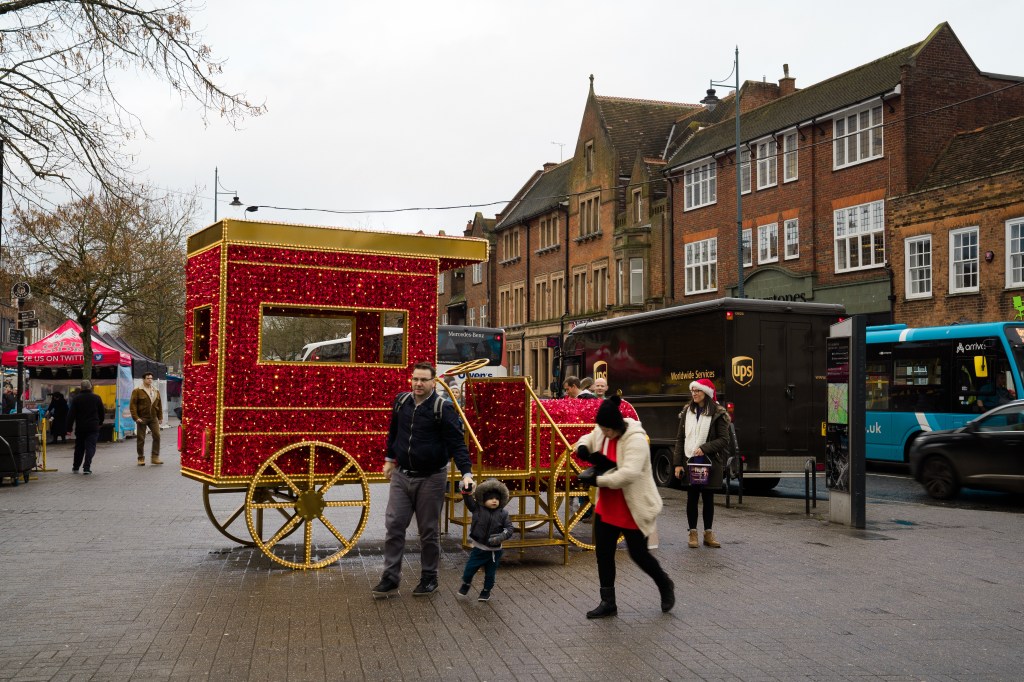
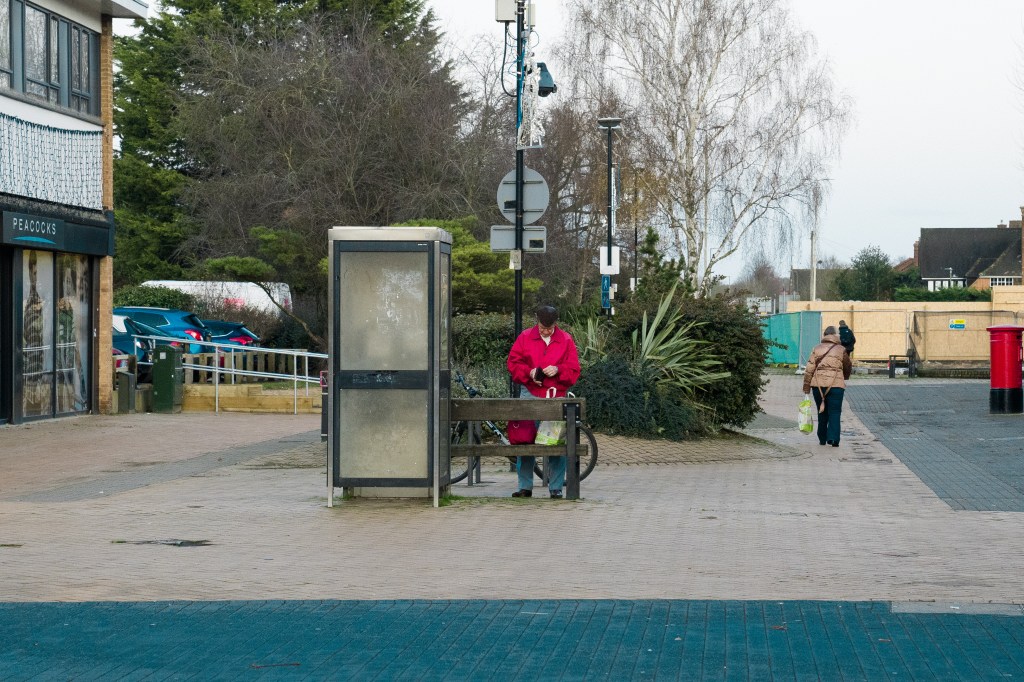
Town Centre, Hatfield. Sony Alpha 7 III + 24-70G F2.8(fixed)
Town Centre, Hatfield . Sony Alpha 7 III + 24-70G F2.8(fixed)
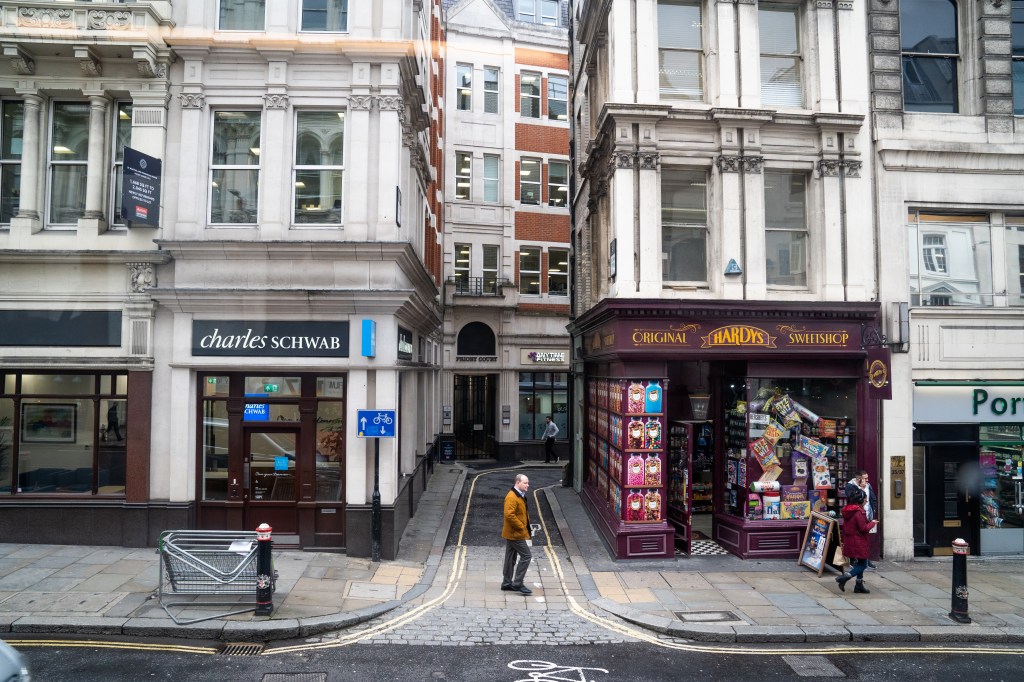
St. Albans. Sony Alpha 7 III + 24-70G F2.8(fixed)
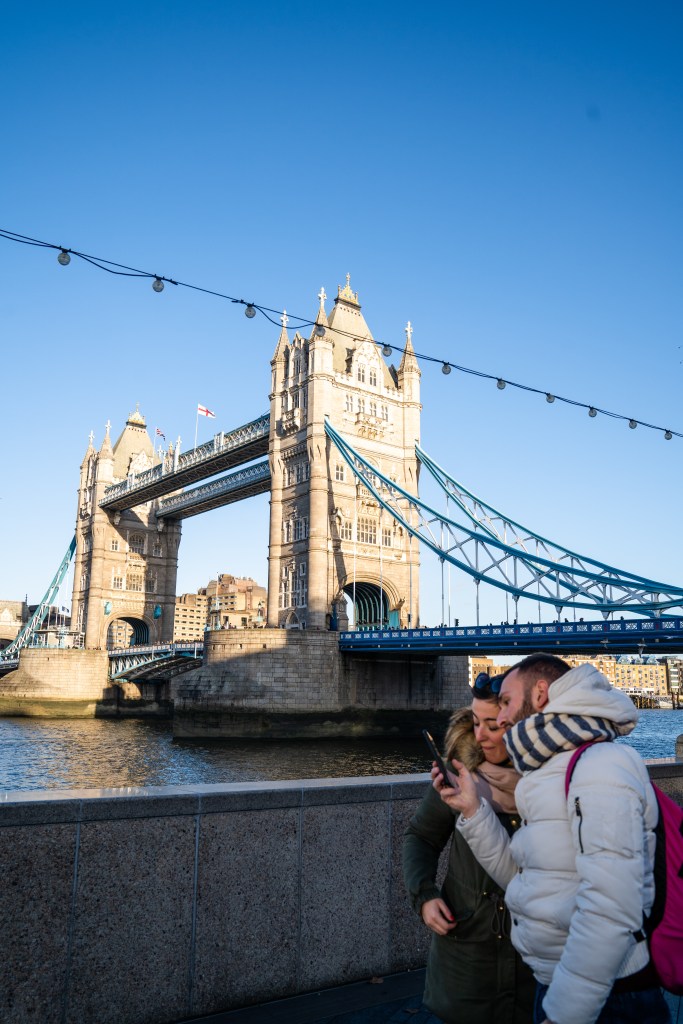
Southwark, London. Sony Alpha 7 III + 24-70G F2.8(fixed)
Borough Market. Sony Alpha 7 III + 24-70G F2.8(fixed)
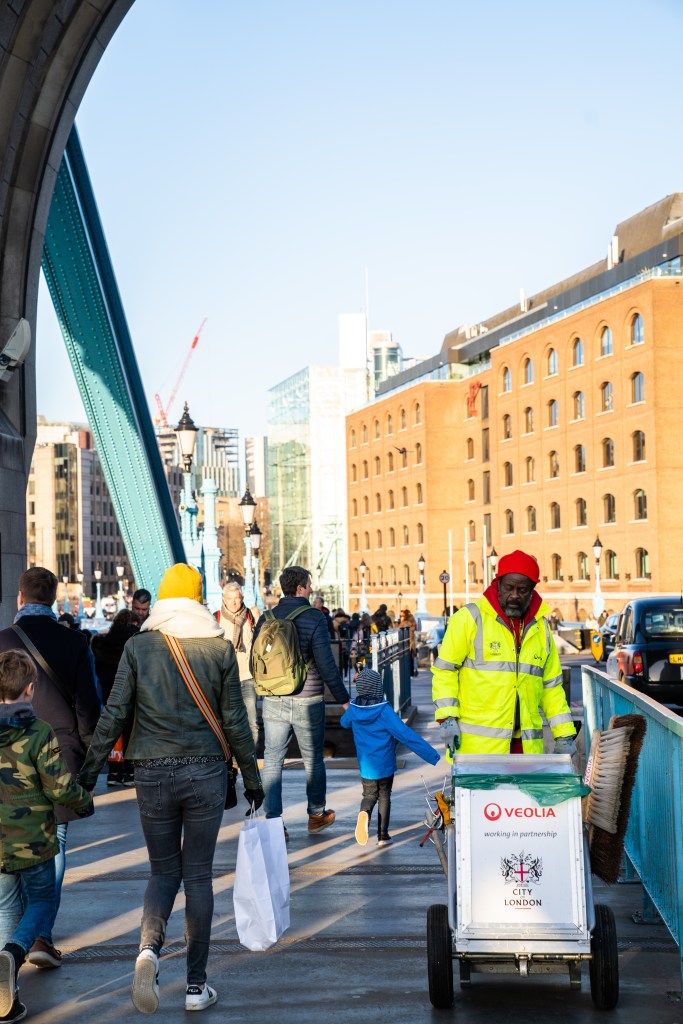
Southwark, London. Sony Alpha 7 III + 24-70G F2.8(fixed)
Town Centre, Hatfield . Sony Alpha 7 III + 24-70G F2.8(fixed)

The Photographer’s Eye: Composition and Design for Better Digital Photos, Taylor and Francis

This is a book that’s very interesting. Most of the books deal exclusively with lenses but this book focuses on the neuroscience of people’s interpretation and understanding of pictures. The book is beautifully written and full of fantastic images, showing the internal definition of photography and craft. Photography has increased than ever before and now everyone is an artist with the accessibility of high-quality DSLR and social media. As a tool for capturing the life as well as a platform of artistic self-expression, photography itself should be accessible to all. The issue, I guess, is that we have been fascinated with engineering too much, and have overlooked that it’s of the utmost importance to consider psychology and theory in all the visual arts. The majority is devoted to the consumer mentality of books and YouTube videos. Everybody needs the newest and most luxurious lenses with the most features and the maximum count of megapixels, and they don’t know that with any lens, either point, shoot or mobile phone, you can take a great picture. But the way to do this is to consider and think deeper about the characteristics of a successful picture. This is where such a book begins. This book doesn’t just give advice from “following the rule of third parties” which you obtain from most tips online, but a more thorough discussion on why the rule of thirds is even important, how it tends to affect and how it should be broken by the viewer. It offers a short yet concise overview of the most popular concepts of design, based on research on how we see or interpret things. The book is an interesting insight at how pictures were presented and written. It’s well-written and beautifully illustrated.

A critical perspective of the book is that, it doesn’t include ISO, shutter speed and aperture. I think the book is very well written. It’s concise, clear and well-illustrated, and found to be a pleasant reading. The book covers the basics of design, namely the manner in which things transform in a 2D picture before a lens-my mistake-from the outset. The book does not require previous knowledge of theory of composition, but I believe that the readers may benefit from a previous comprehension of some basic photographic topics (for example, know the difference between a broad angle and a telephoto lens). Throughout his book, Freeman would show how to use geometrical types in a frame to convey information, to use shapes and colours to indicate different things to the spectator and to explain the “fun” results of the picture. The images, text and the overall presentation of this book is very impressive. But not fully convinced that the reading of Freeman’s book is all that “the photographer’s brain” according to the title. The material is split into seven chapters: the frame of photos, the fundamentals of models, visual and photographic features with light and colour, intention and method.

In Chapter 1, Image Frame, examines how photographs are created within a space called a viewfinder frame. You’ll look at frame shape, cropping, frame filling, positioning, and how to work with frames within frames. Chapter 2, Design Basics, shows how the composition is essentially the organisation of all possible graphical elements within the frame. It is based on the principles of graphic design and follows the same guidelines as any other graphic art. Chapter 3, Graphic and Photographic Elements, describes what the graphic elements are, two dimensional objects that exist within the frame of the image. As there is no need to be practical in art and illustration, symbolic treatment is appropriate. Chapter 4, Composing with Light and Colour, presents the effects of tone and colour on the image. Tone and colour are two different but connected terms that affect our understanding of the significance of an image. Chapter 5, Intent, describes that, at the end of the day, what defines the structure of an image is the intent. The intention of the decision should be investigated before you make a compositional decision. Chapter 6, Method, in art, is one of those topics that is difficult to analyse. This is partly due to the fact that the composition and the making of a picture are relatively short-lived opposed with sculpture and other disciplines

One of Freeman’s strengths is that it goes beyond design theory and composition. Freeman also asked the reader to understand his own motives, systems and theories in the last two chapters. In reality, consider some of the tasks to be somewhat unpleasant. Nonetheless, this discomfort is probably needed if you take artistic photography seriously. The four first chapters deal with the image’s graphic design elements. That is, how rules, plant, colour, to name only a couple, influence the image’s shape, flow and sound. The method and purpose of the artist, and more about the photographer’s visual storey. A few sentences in each issue, not often more than one or two lines, and several images followed by diagrams and explanations illustrate how each photograph represented the technique. The text should act as an introduction and summary of each subject and how it can be used to impact an image’s look. To get the most out of the book, one needs to review the illustrations and not just photos but the majority of the lesson, in addition to just reading the text. For starters, the goal of this book is intended to address the blurred question “How to capture a good photo?” And more on how we human beings ‘see’. He believes the photographers should take more careful images that are of a more consistent quality while recognising the basic principles that make a picture compelling to look at. While moving through this this book, the art-historical is sometimes informative but often dispersed through the results of a philosophical query and pragmatic questions. In segments, the book is better absorbed than entirely. If the reader learns about the text in a convenient manner and combine sections of the knowledge, it is worth reading the wealth of valuable, well-illustrated information.

Reference: Freeman, M. 2007, The Photographer’s Eye: Composition and Design for Better Digital Photos, Taylor and Francis.

Fine Arts Photography: with reference to Brooke Shaden

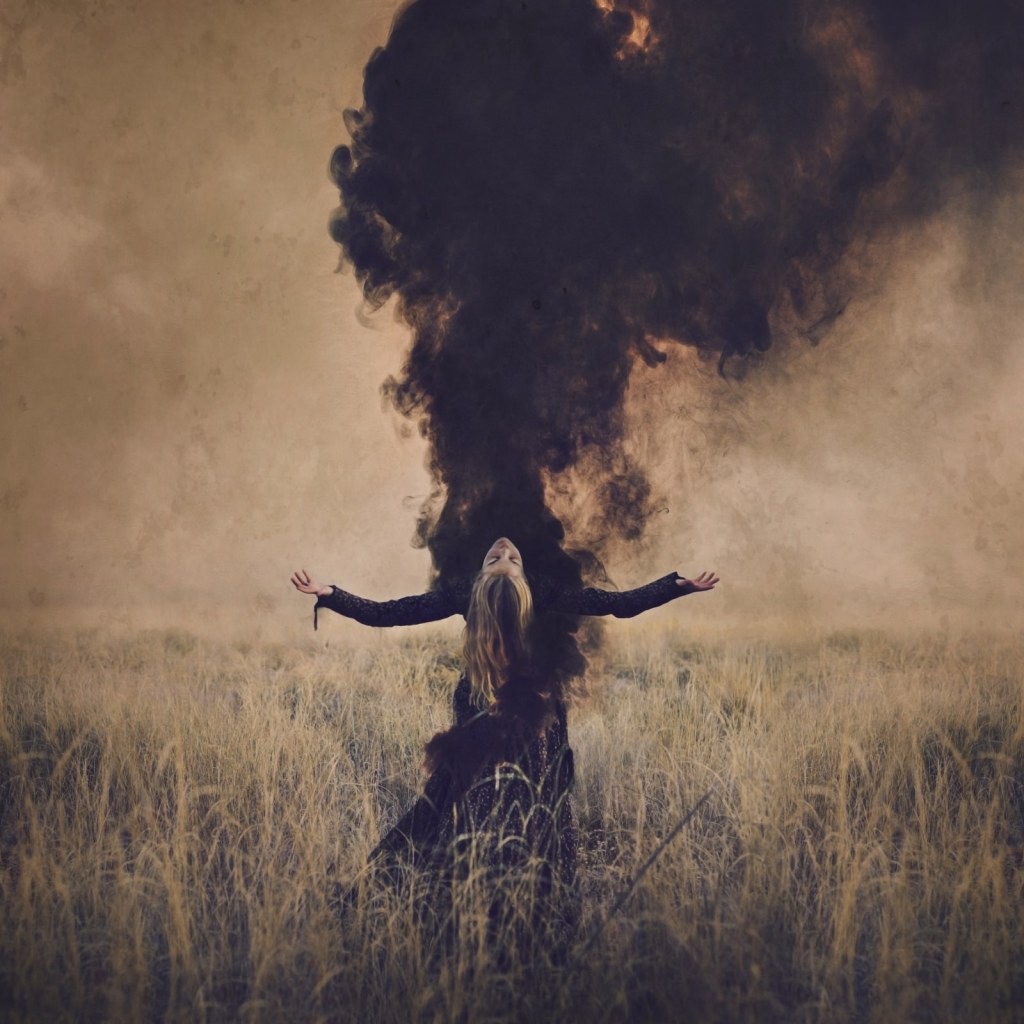
For a few years now I have been following Brooke Shaden’s work in Instagram. Her work is unbelievable, her expressive approach and how she can build characters with intricate composition. I really appreciate her work. She isn’t a skilled camera woman, and she’s not shooting with a sophisticated lighting set. She  prefer to have a simple setup with a solid coloured background and then, after merging them in Photoshop, take individual photographs of the elements which are included to their final composition. Her work is conceptual photography, both strange and a type of escapism. I am more impressed by her ability to use Photoshop to turn those pieces of images into something majestic to elegant, much like a painting. And the grading, too, is one of the aspects that really impress me as she’s able to add artificial highlights and shadows to her images that make it look genuine, as if the subject is in the actual world.

“Pre-visualization helps a lot. If you can see the image you want to make in your mind’s eye, that can help you break down all of the pieces that have to go into the final shot. The more I know about what I want the image to look like, the more I get right when I’m shooting”

Her influence for most of her artwork comes from the idea of the fear that she grew up experiencing it. When she was young, her parents would tell her that there’s nothing under the bed and then at some point she would go the opposite direction. She would come up with creative ideas that were inspired during her childhood.

She would rather be in her own neutral creative space dealing with her artwork rather than be in a really fearful place dealing with negativity and that’s the beauty of creating it. Allowing herself to express and experience those fears in whatever way she likes. She’s very different from other photograhers and it’s kind of a weird thing to talk about it because she’s met artists who are very artsy and who believe that art should be lived and breathe and that if she’s not like her art then it ain’t creating it authentically. She’s met other people who don’t care at all and they’re shocked to see that she is not dark, weird and creepy.

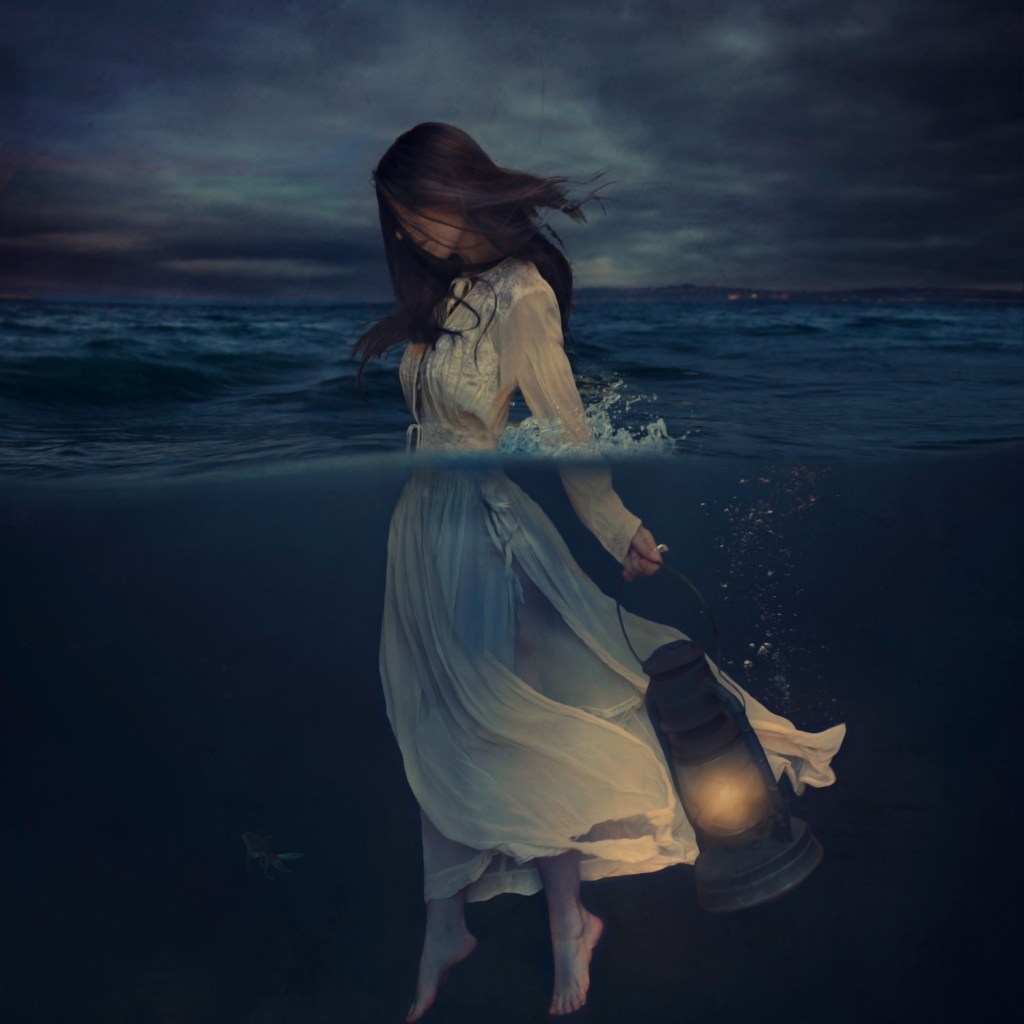
A light for tarnished souls. Brook Shaden ©
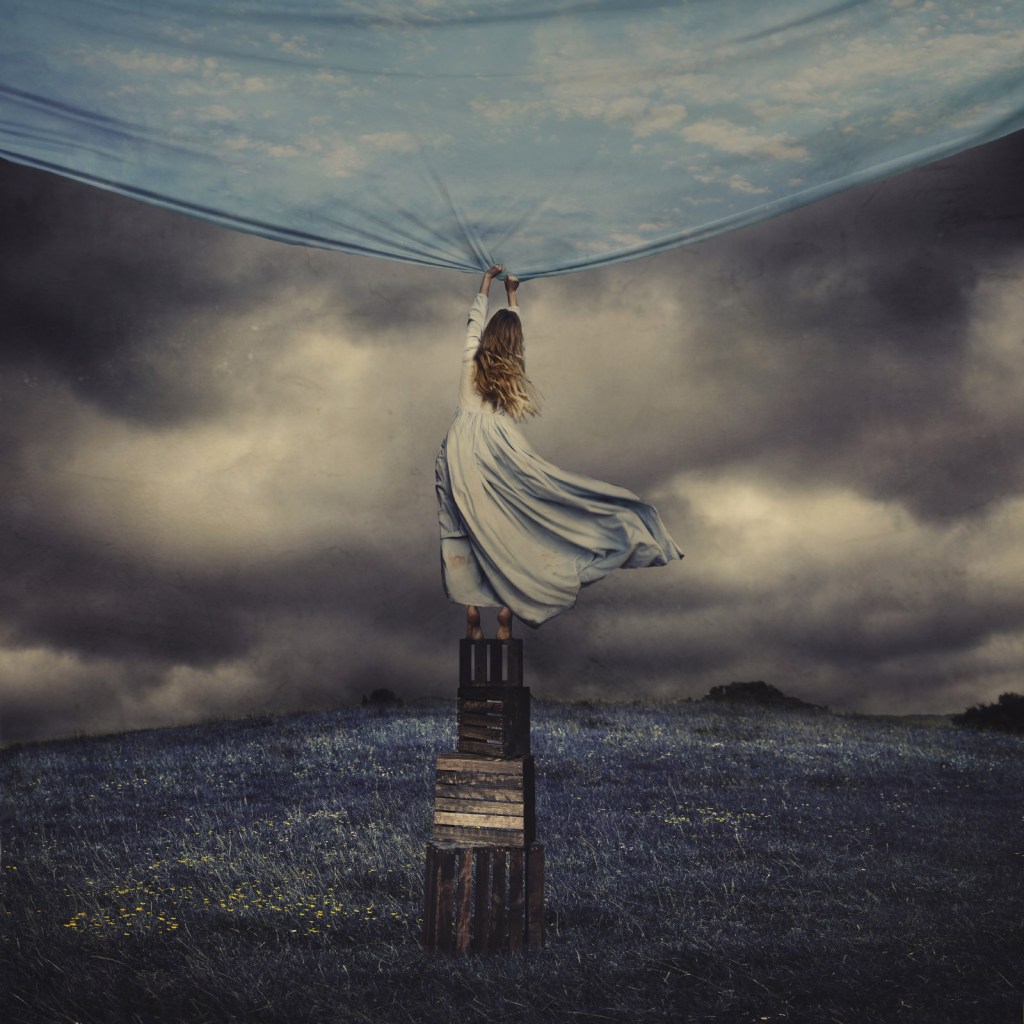
Brighter days. Brook Shaden ©
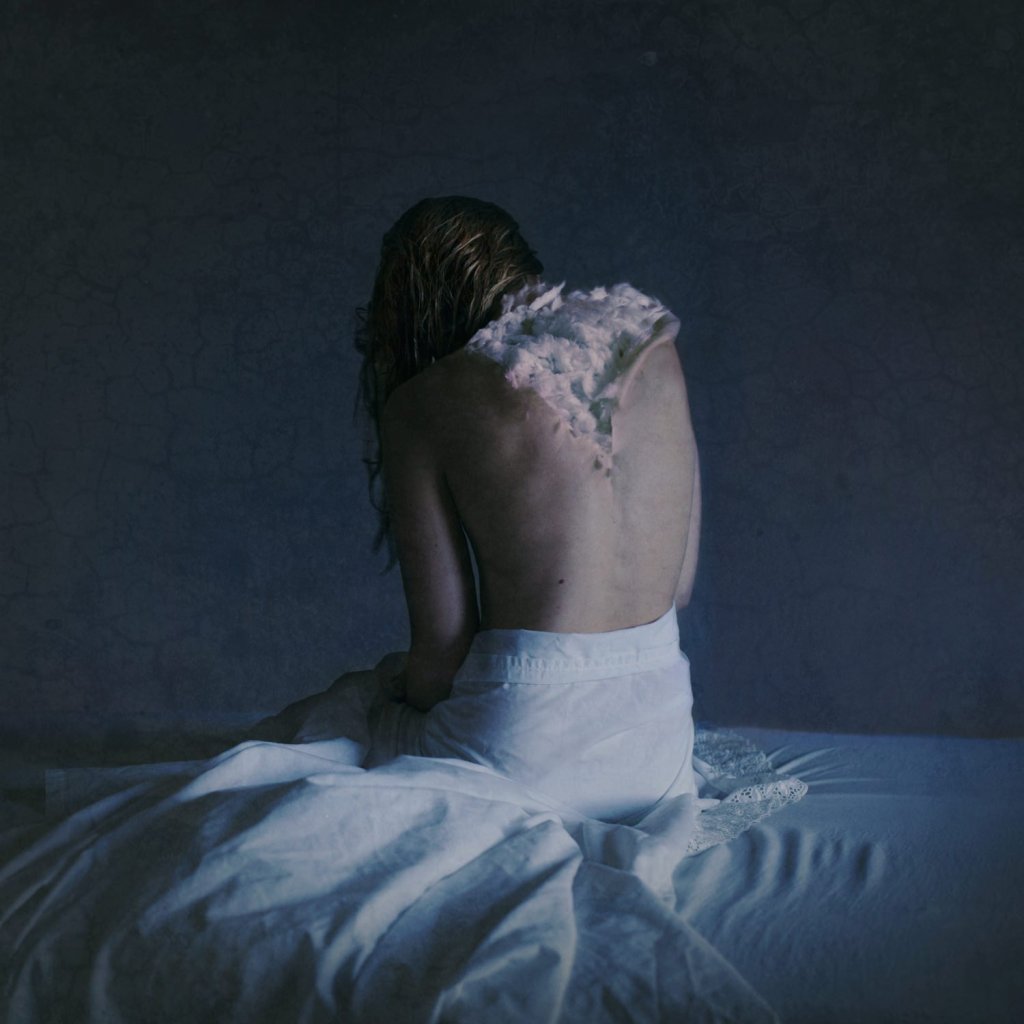
Catharsis. Brook Shaden ©
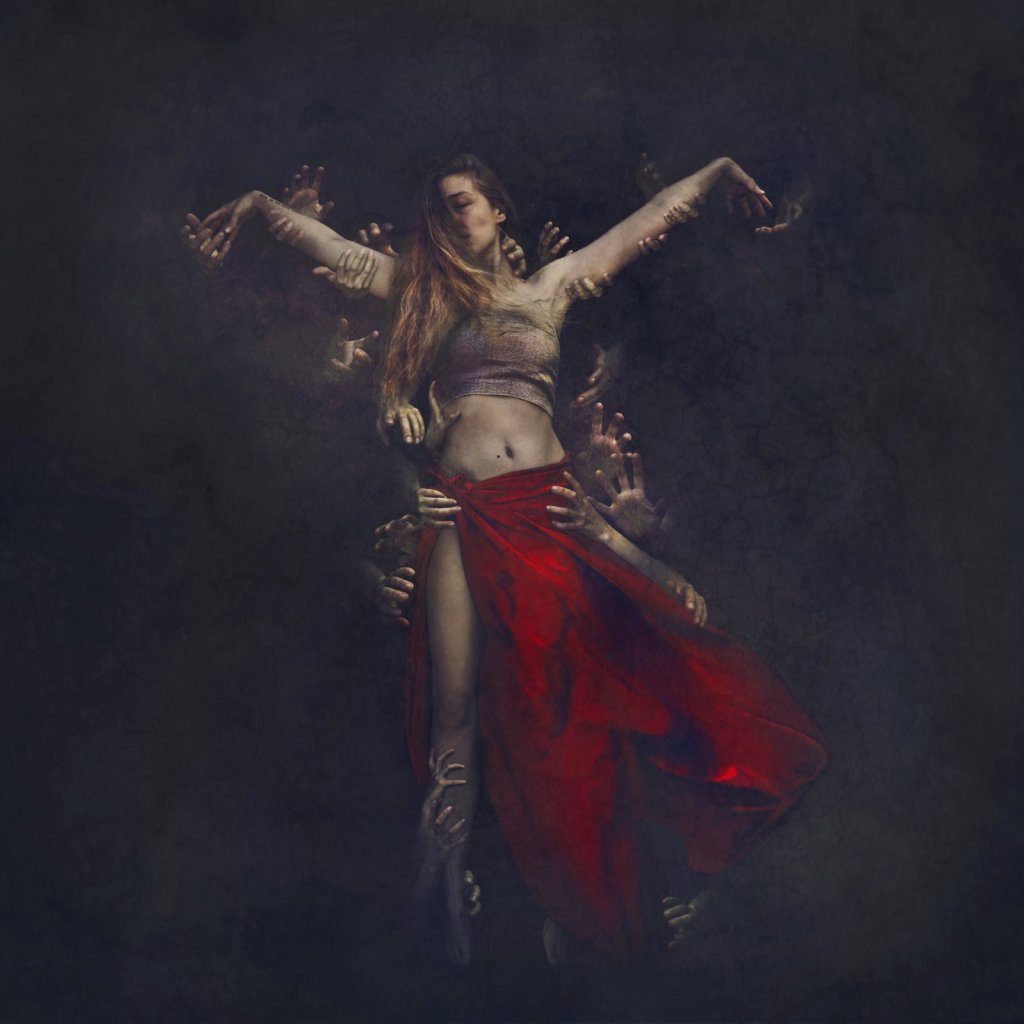
Discoveries. Brook Shaden ©
Elsewhere. Brook Shaden ©
Quiet the night. Brook Shaden ©
Rapt. Brook Shaden ©
The falling of autumn darkness. Brook Shaden ©

Reference: Youtube.com. (2019). YouTube. [online] Available at: https://www.youtube.com/watch?v=lsQRBLDGP2w

CreativeLive Blog. (2019). How Photographer Brooke Shaden Turns Fantasy Into Reality. [online] Available at: https://www.creativelive.com/blog/brooke-shaden-turning-fantasy-reality/

Friction: Creating the Purest of Art, a Reflection of James Maynard Keenan’s Speech

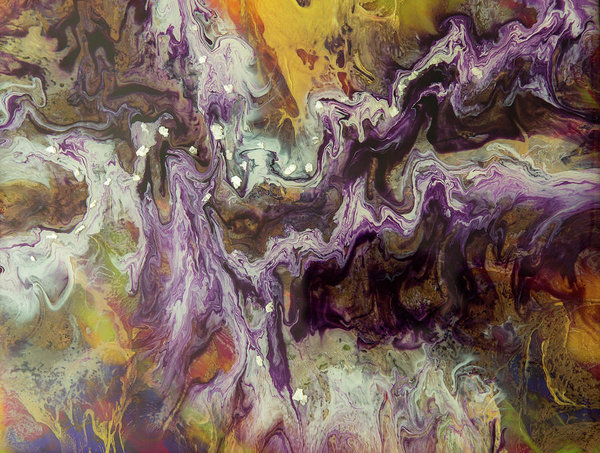
“Most people spend their entire lives trying to avoid friction,” Keenan began. “Somewhere along the way, I found it in myself a desire — a calling — to embrace friction, tension, transitions, changes and to work with them … Life is change. Life is friction.” Keenan continued, “[Life is] working with the tension and the friction, because that’s where art is. That’s where the art occurs. The purest art and the best forms of art are those ones that actually capture that moment; that edge.” James Maynard Keenan- Caduceus Cellars and Merkin Vineyards.

  I became a fan of Tool, the American rock band known for its deep satirical and  profound lyrical understanding of life’s complexity, geometrical philosophy, and the ups and downs, biochemical reactions that occur with life every day.  I’m just a casual fan and I don’t really know much about the band apart from their music and the man behind the madness, James Maynard Keenan. But what’s  interesting to me is his speech on winemaking, and for that random suggestion, I praise Youtube. “He began by incorporating the concept of friction in his voice, and that most people try to stop it, but yet he prefers to accept it, it can be an overwhelmingrealisation,”

To justify the action of friction, he uses various examples of life to either go against  gravity or encourage it to produce something beautiful or a solution in that stressful  environment. Examples of friction involve the playing of a cello or a mother giving  birth. Life is working toward that resolution, allowing a transition to bring pressure and tension. And it is the purest art! Working with friction and uncertainty, catching the lovely moment. It’s appealing to him for artists who use that to capture that moment in whatever form it is, “Sonic joy, sonic rage, sonic sorrow … everything within that release” could be a canvas, camera, cuisine, music … anything. He introduces his wine company towards the end of his speech and describes why he chooses winemaking as a form of art that bears through the changes in the world and gives the joy of taste in the end.

Fine Art America. (2019). Friction Art Print by Dee Carpenter.

Reference: Theprp.com. (2019). Tool’s Maynard James Keenan Gives An Inspirational Speech On Friction & Tension In Art | Theprp.com. [online] Available at: https://www.theprp.com/2015/06/19/news/tools-maynard-james-keenan-gives-an-inspirational-speech-on-friction-tension-in-art/

Youtube.com. (2019). YouTube. [online] Available at: https://www.youtube.com/watch?v=lsQRBLDGP2w .

Fine Art America. (2019). Friction Art Print by Dee Carpenter. [online] Available at: https://fineartamerica.com/featured/friction-dee-carpenter.html?product=art-print [Accessed 15 Dec. 2019].

Steve McCurry’s inspirational photos of humans and animals (with photo comparison)

Steve McCurry perhaps, is well known for his documentary photography and also an icon in contemporary photography. His most famous “Afghan Woman” portrait was released in 1984, and in the late 20th century the green-eyed Afghan woman became a symbol of power in the face of adversity. Steve built his photography career on documenting cultural traditions, wars and many other interesting themes of culture & society, but rarely do we find him engaging his photography with animals. A new book called “Steve McCurry, Animals.” published by Taschen is a solid proof of his passion for animals. Animals are in constant motion, have a mind of their own and rarely pay any attention to directions from a photographer. “Understanding animal behavior is essential to making good animal photographs, just as understanding human behavior can help with taking someone’s portrait”, he said.

Below are some of Steve’s photographs

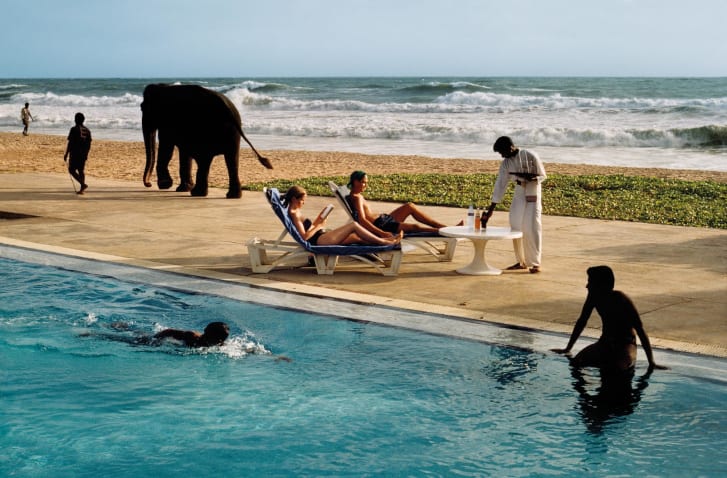
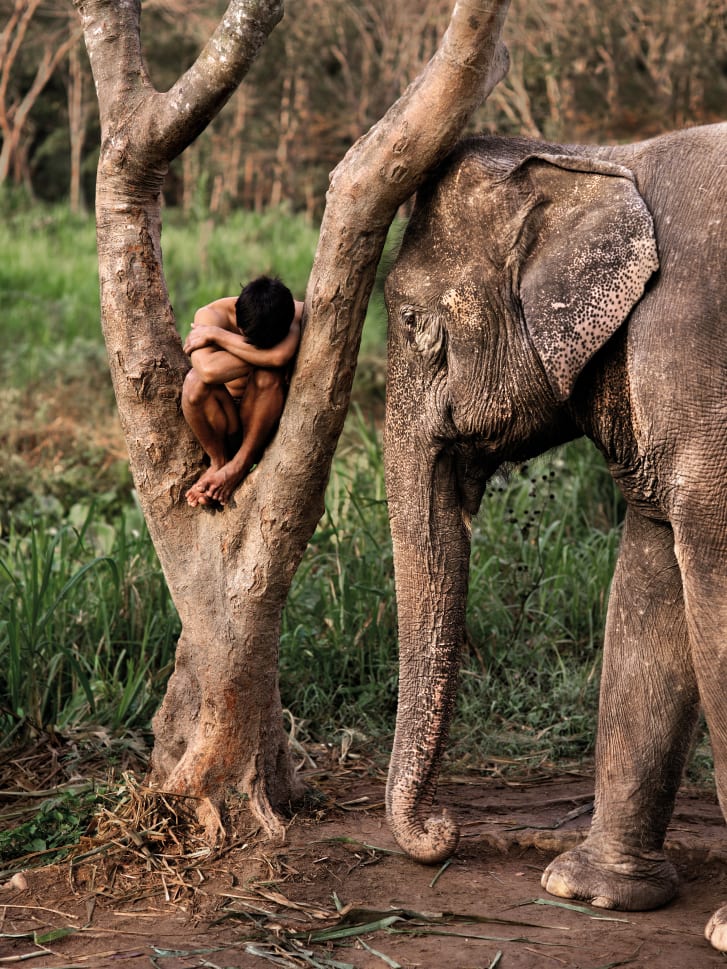
Tourists lounge poolside as an elephant passes in Bentota, Sri Lanka. 1995. Credit: © 2019 Steve McCurry, Long Island City, NY
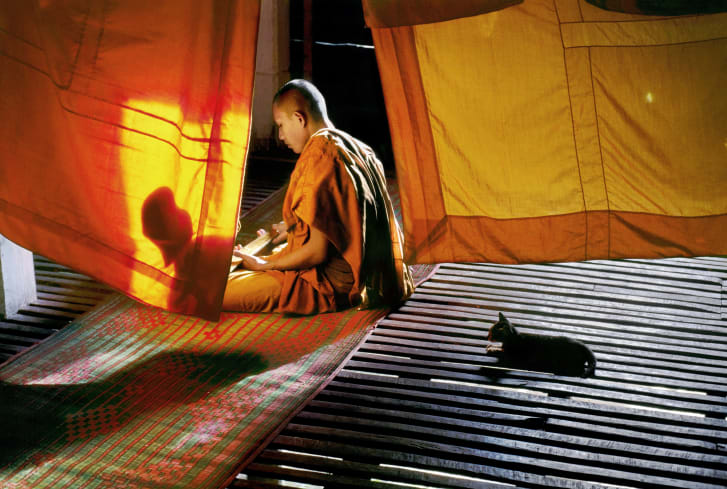
© 2019 Steve McCurry, Long Island City, NY
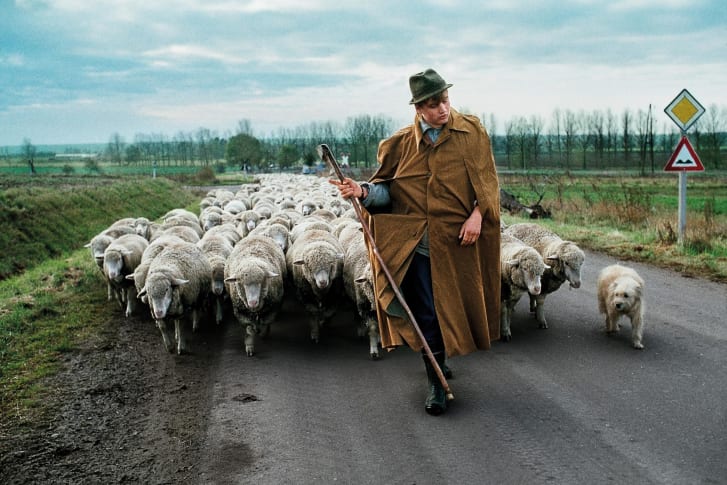
A man walks with a herd of sheep near Magdeburg, in the former German Democratic Republic, DDR, 1989. Credit: © 2019 Steve McCurry, Long Island City, NY
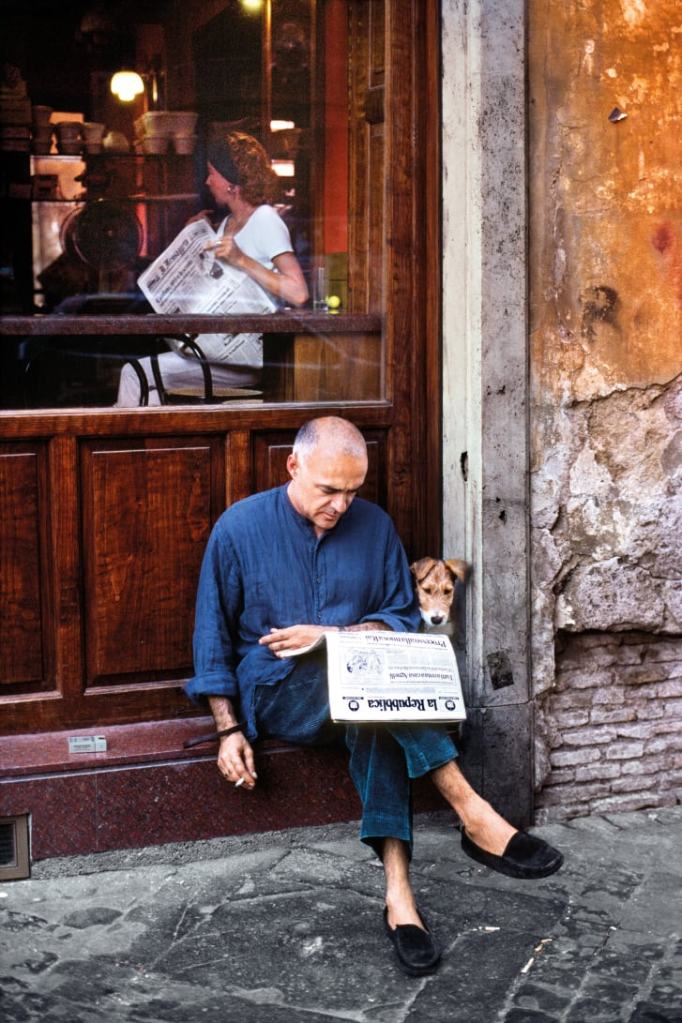
A man reads the newspaper with his dog outside a restaurant in Rome, Italy, 1994. Credit: © 2019 Steve McCurry, Long Island City, NY

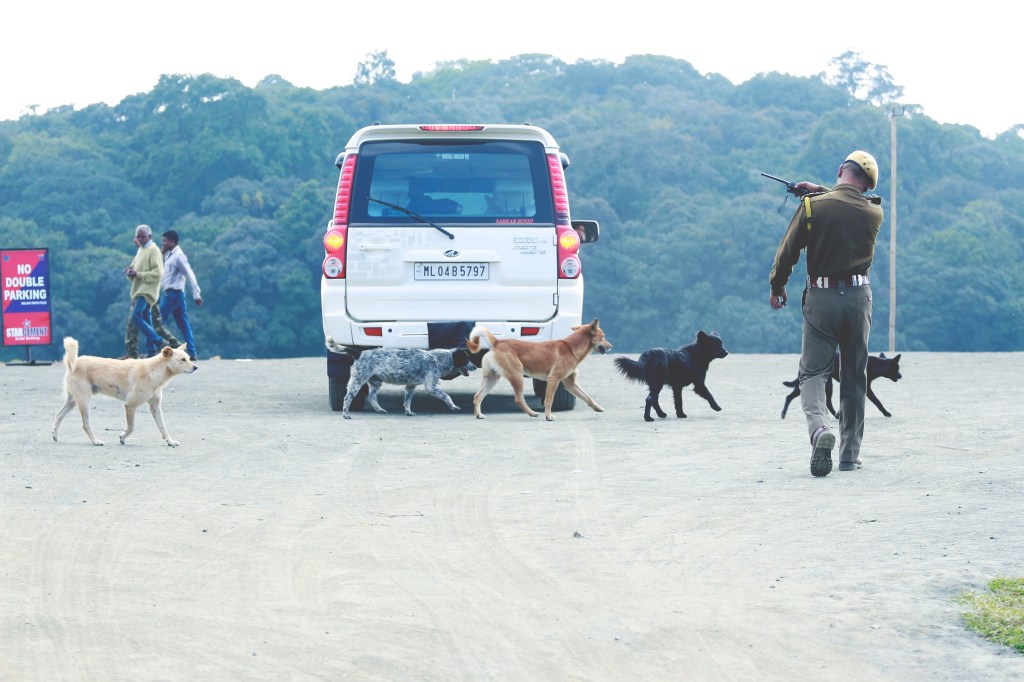
Here are some of my photographs

Josiah Lyngwa ©
Josiah Lyngwa ©
Josiah Lyngwa ©
Josiah Lyngwa ©
Josiah Lyngwa ©

Reference: PetaPixel. (2019). A Chat with Photographer Steve McCurry About His Life and Work. [online] Available at: https://petapixel.com/2018/12/18/a-chat-with-photographer-steve-mccurry-about-his-life-and-work/

s p a c e s

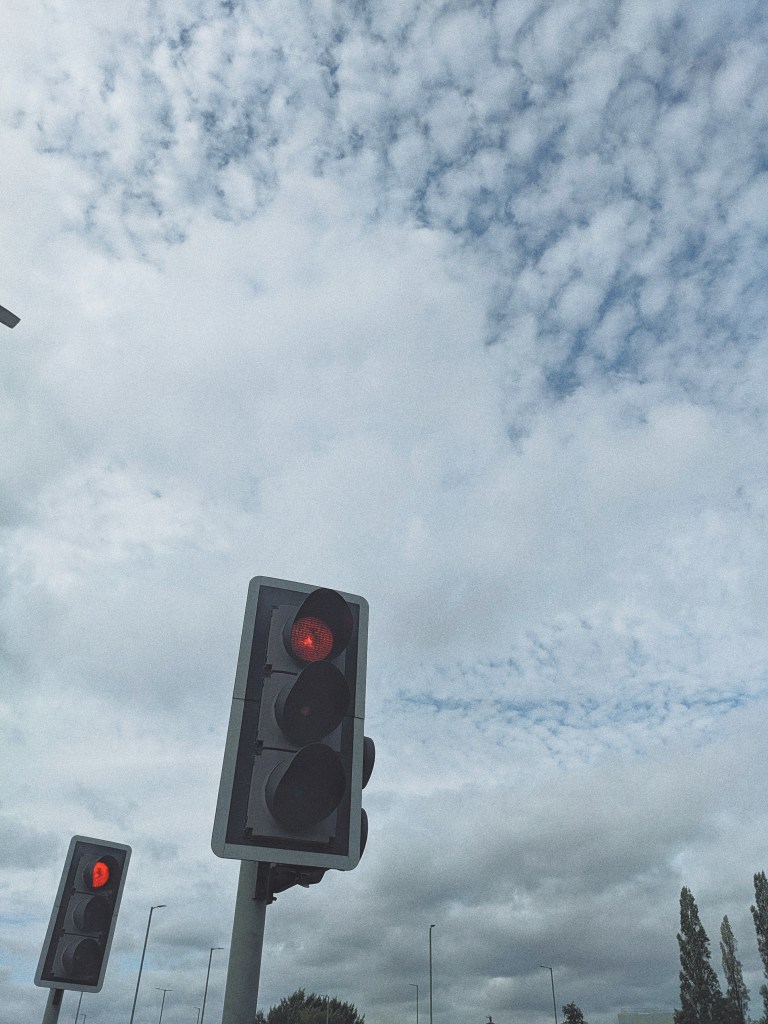
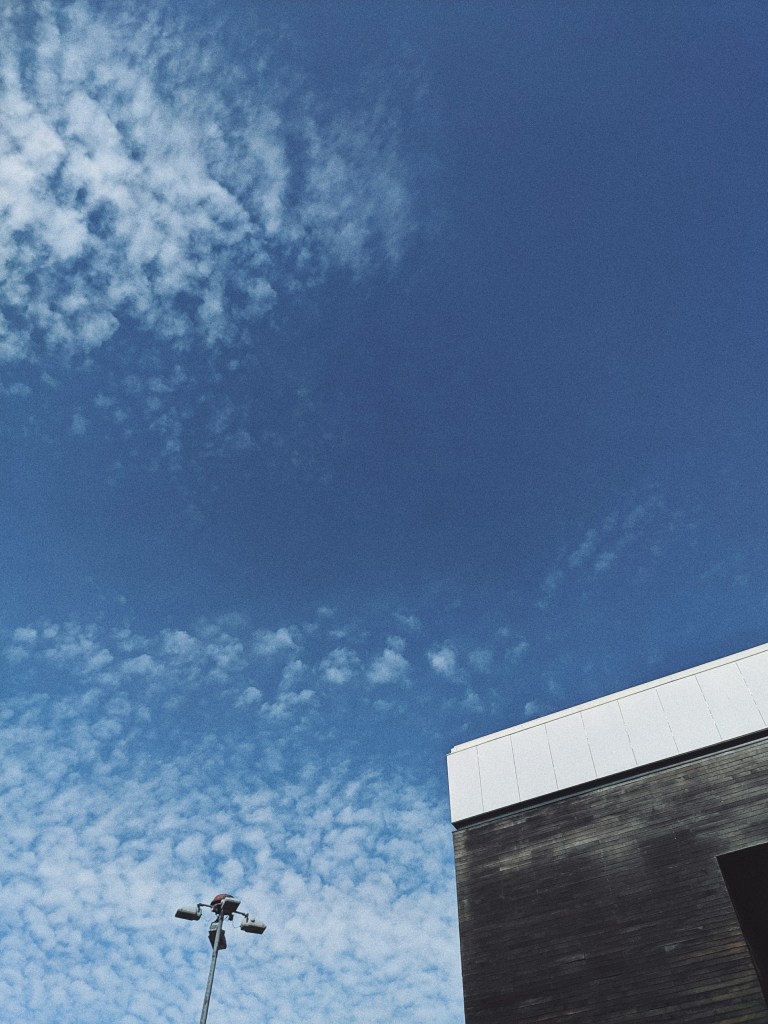
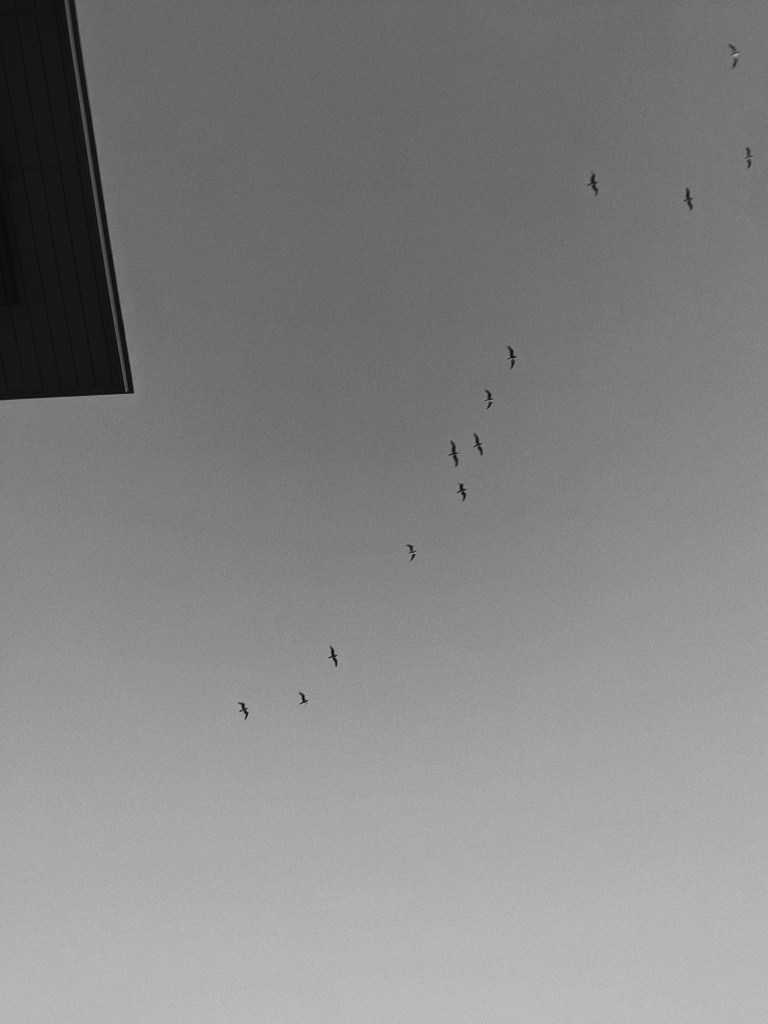
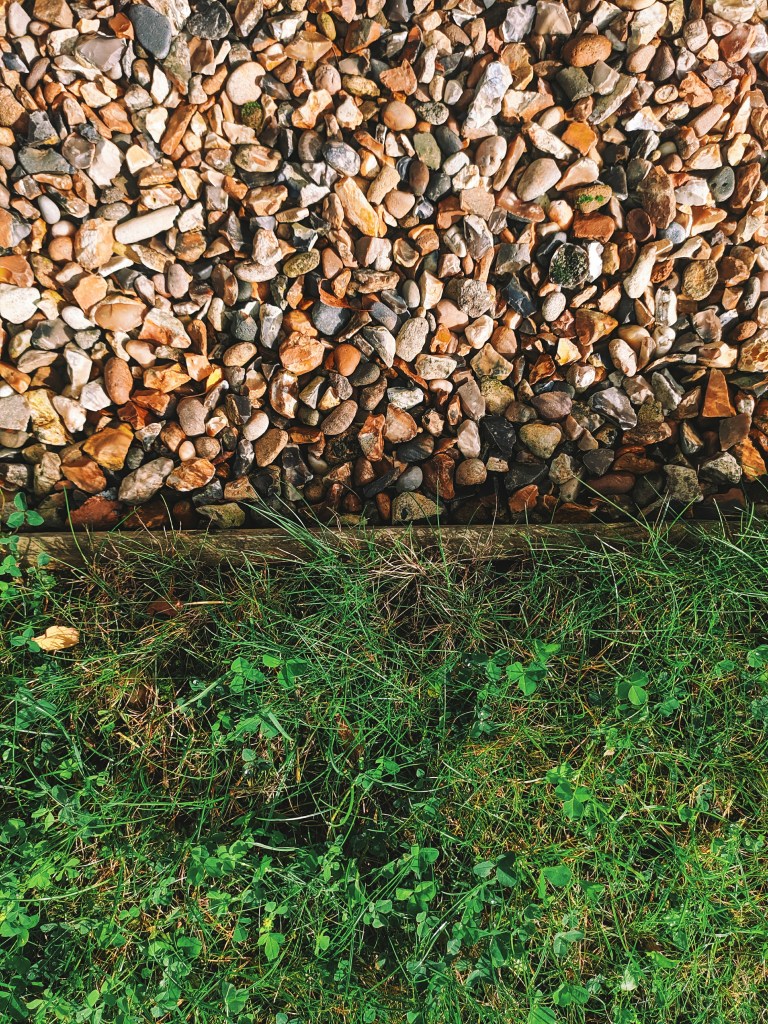
Space is the area around and between the subject of the composition. There are many ways in which the use of space can influence the audience, which can cause different emotions and feelings based on their use. Well, I define “space” as an entity that either separates or brings closeness to my environment, like every other artist have on their own reflection and aesthetic use of art. I find that space is a “spiritual relation” between the environment. That feeling of long stretch space, the long gaps, the undesirable disconnection of empathy.

Annotated Bibliography

Annotated Bibliography

SHYAM SUNDAR, B., 2018. Photography. Crit, (82), pp. 37-39.

In this essay, Bhavana Shamsundar explores the lens and its connexion to the setting, the perception of architectural photography and the experience of design and framing, as well as the impact of illumination on how it affects focus while using a film. From the “camera obscura” to the new DSLR lens, he discussed the history of photography. A detailed diagram of information provides a brief look into the history of the camera. In my practice, I have applied architectural photography to convey a special perspective through the use of composition, focus, and focal length. The camera also allows the subject to have a photographic sense within the frame of focus. One main component of photography that I have learned is to be able to communicate with emotion. He also talks about photography being one of the most revolutionary advancements in artistic expression that created a widespread universal language in the way we communicate. The camera technology has made a huge impact on the development of 3D architecture and has provided innovations and designs for the future.

Wells, L (ed.) 2015, Photography: a Critical Introduction, Routledge, London. Available from: ProQuest Ebook Central. [28 October 2019]. pp. 25-27

Digital photography has played an important role since the 1990s and until today, shaping the media landscape and production, even analog shooters are required to work under digital technologies. Since I’m a digital photographer, I have a wide interest in the transformation of photography into a digital artistic platform which is convenient and also easy to access anywhere. In this chapter, Liz Wells talks about the impact of aesthetics with regards to digital imaging and the effects of it. It is interesting for me to learn that the transformation of imagines from analog to digital, in which digital is simply nothing but several coding that has no external phenomena. Through this book, I have able to understand the used of digital memory storage and LCD, which has become a normal trend in almost every digital machine, which all requires electricity and the internet. For instances every technological machine consists of a screen that can either be color or black and white, this denotes the inter-relation of aesthetics and technology.

Jan, KH 2012, The Rules of Photography and When to Break Them, Taylor & Francis Group, Oxford. Available from: ProQuest Ebook Central. [1 November 2019]. pp. 149-153

Lighting is one of the most important aspects of photography. In this book, the author discusses the basic techniques of achieving light effect in photography. As a student of photography, I am quite interested in the use of lighting effects and various techniques. One of the primary rules of photographing with sunlight is to “keep the sun behind you”. Photographing in sunlight works well during late in the day, it is called “the Golden Hour”, it’s when the light becomes warmer on the skin tone of the subject. Another aspect of lighting is the use of flash in photography, I can use an external flash with a slave unit and bounce it using a reflector or a softbox, these are just basic uses of flash photography. The author makes it easy for the readers to understand the concepts of photography, in this case, the use of lighting in photography. It has given me the correct tools to craft lighting effects for a photoshoot.

Bate, D 2009, Photography: The Key Concepts, Bloomsbury Publishing, Oxford. Available from: ProQuest Ebook Central. [23 November 2019]. pp. 68-84

In this book, the author talks about photography being part of everyday life and that we constantly being shaped by images we see all around us. He explores the different photographic theory models to interpret the different genres of it. The most interesting topic of this book for me is the subject of portraiture in photography. A portrait has its own identity, the visual description of a person. Portrait photography became an important commodity during the nineteenth-century industrial revolution. He talks about the history of portraiture during that period and how it evolved. It’s interesting to learn about the different movements of portraiture such as the Industrial Portrait, Mass Portraiture, and Bureaucratic Portraits. Portraiture consists of four important elements: face, pose, clothing and location. These elements are very crucial to the understanding of the nature of portraiture in photography. I believe that by following the basics of these four elements, I will able to capture a well-balanced portrait photograph or even go into the depths of it.

Child, J 2008, Studio Photography: Essential Skills, Routledge, Oxford. Available from: ProQuest Ebook Central. [24 November 2019]. pp. 59-71.

In this book, the author goes in-depth into the technical aspects of studio photography. The different genres of photography and how to apply the advanced lighting techniques into them. The studio, itself consists of different materials and equipment related to photography. The most important aspect for me is lighting, how it is crafted in a studio environment and what are the techniques that are achievable through the various equipment. To develop a relationship between artificially created lighting situations and the photographic medium. He also talks about flash which is a term for artificial lighting and the different types of flash used in a studio environment or outdoors. It is also interesting to learn about the different characteristics of light, how to able to manipulate and come up with creative ideas. Another important aspect is, contrast in photography, it is nothing but the level of light falling on or being reflected by a subject. Without contrast, photos would appear dull and flat, it helps to create dimension, shape, and form. There are also different types of contrast in photography.

Zakia, RD 2013, Perception, and Imaging: Photography–A Way of Seeing, Taylor & Francis Group, Oxford. Available from: ProQuest Ebook Central. [29 November 2019]. pp. 275-300.

To me this book, the author makes it clear that it’s not just about photography in general but it is beyond, no doubt about it. Photography is not just about visual art, which has existed for thousand years ago but it’s the science and art of imaging process of photography that makes it special. This book is essential for me, to know about the photography composition the science behind it, it provides all the scientific context. I can pick up important theories on photography but the most important thing to understand photography for me is to critique it. Most of the time photographs have been heavily manipulated such as tabloid magazines, internet photos, catalogs, advertisements, etc. But to critique a photograph is to learn it’s origin, nature, and appearance. It can also be a subjective task and often different critics mean different opinions. One should know the facts presented by the photographer then analysis the composition and apply the different rules and theories of photography, but it doesn’t mean that it should always be that way. Rules are also meant to be broken, best is to stay neutral.

Hand, M 2012, Ubiquitous Photography, Polity Press, Oxford. Available from: ProQuest Ebook Central. [29 November 2019]. pp. 1-25.

This book provides a clear understanding of how photography has shaped visual communication and culture. This book provides an analysis of the practice of different technologies in the world of photography that have a historical, social and political-economic context. It gives a clear understanding of the changes in digital mediated communication in today’s culture which is currently growing. The interesting about this book that helps me with my research is the narrowing of the idea of photography as simply as a tool of daily observation and transformation in the world. It has evolved throughout history and is now part of our daily lives. Images shaped our social well-being and culture every day of our lives. The camera has been transformed into our daily commodity and not anymore as an object only to be used by a fewer group of people who could be photographers or can afford a camera but now everyone has it. Photography is now personal, it is very much sensitive.

Sheppard, R. 2013, The Power of Black and White in Nature and Landscape Photography, 1st edn, Peachpit Press.

Black and white photography has always been my fascination ever since I discovered it many years ago but never really quite understand why it’s one of the most famous genres in photography. The author talks about black and white images having a definitive beauty and meaning, throughout history and culture. He also mentioned the key elements of black and white photographs such as highlights, dramatic shades, contrast, tone, texture, patterns, and sharpness. Notable artists such as Ansel Adams, Brett Weston, Bill Brandt, and W. Eugene Smith have played a significant role in shaping the genre. Well, what is monochrome? it is referred to as an image that is based on one color and all of its shades from dark to light, such as black and white but it can also refer to other mono colors. The beauty of black and white photographs is the tone of separation which gives this sense of realistically true and very real, almost seemingly three dimensional because we only see black and white and not color.

Jacobs, L 2010, Professional Commercial Photography : Techniques and Images from Master Digital Photographers, Amherst Media, Amherst. Available from: ProQuest Ebook Central. [1 December 2019].

This book covers some of the famous commercial photographers, their work and methods on developing commercially successful photography business. I am looking for a particular artist named Mike Schaffer, who is a successful American photographer and his studios in Upland, California. His studio is about 2200 square feet with a receptionist’s area, a post-production office, his office and an office for bookkeeping. He gives a piece of detail information regarding his cameras, lighting, and other technical equipment. He also briefs on client involvement and how to approach and communicate them. Also, his detailed work process from camera setup to lighting effects to post-production. I would say, his lighting skills is much advanced and intriguing for me to look into it. One important aspect is the photographer’s personality which plays a major role in the influence of business. He says that to become successful, we need to have a particular personality that clients can easily identify and it should be attractive and client satisfaction based.

Wells, L. 2011, Land Matters: Landscape Photography, Culture, and Identity, I.B.Tauris, London.

This book has extensive valuable material relating to photographers engaged in conventional and contemporary style photography of landscape. This includes historical references to image taking, using different artists and not just photographers. The examples are well known and easy to follow and verify. It is a well-structured, well-referenced review of current practices in Landscape photography, set in the context of the genre’s historical developments. Liz Wells is a well-informed and passionate advocate for the topic. Despite some academic jargon passages, the essential ideas are well thought out and skillfully woven into a text that can be read thoroughly. She further questions what is at stake in landscape photography by objectively examining primary instances of photographers employed in, for instance, the USA, Russia, Scandinavia, and the Baltic States, in the sense of wider art historical and political issues. This fascinating book helps me take interest more in photography and media, geography, art history, and tourism, as well as those concerned.

la, GA 2005, Basic Critical Theory for Photographers, Routledge, Jordan Hill. Available from: ProQuest Ebook Central. [12 December 2019]. pp. 30-34.

I’ve never written anything from Susan Sontag, but there have been numerous references to her book On Photography in different contexts. It’s alluded to as “one of the most popular books in its kind.” I enjoy taking photographs myself. Photography, like painting, depicts and portrays not only the subject but also its basic meaning becomes part of the image. Photography is a medium of development, according to Sontag. In several ways. Reality has always been associated with countless symbols and thinkers like Plato have made efforts, by referring to a direct way to understand the truth, to reduce our dependence on depictions. This generation favors the snapshot to the real thing, the feel before the encounter. Just to conclude this is an interesting and groundbreaking analysis of the profound changes in how we relate to the world and ourselves induced by digital photography.

Ablan, D. 2007, Digital Photography for 3D Imaging and Animation, 1;1. Aufl.; edn, Wiley, Hoboken.

This book got me interested. I’m an amateur in 3d modeling and animation. I wanted to know how photography could be best used to create effective pictures, shapes, standard maps, bump maps, displacement maps, etc. Although some may find difficulty in 3D and digital photography for masterclass, it is clearly aimed at beginners. But it is important because there is no pause at a point for vocational training. Dan Ablan’s book was of tremendous use to me not only because it encourages beginners to 3D and/or virtual imaging but also because it will encourage those who are overwhelmed by 3D’s complexity and nuances to try this glorious tool to develop their personality and comprehension. The book is also very detailed in crafting 3-d slideshow and how to create a digital collage for After Effects, whereas these subjects are somewhat fascinating.

Social Landscape

Social landscape photography portrays the interaction of human beings and their landscape. It may also include the natural scene but that cannot be considered as Nature Photography. The social interaction is what creates the sense of action or an outcome which provokes emotion and a response towards the viewers.

Lines and Motion
Lines and Motion
IMG_20191020_144615
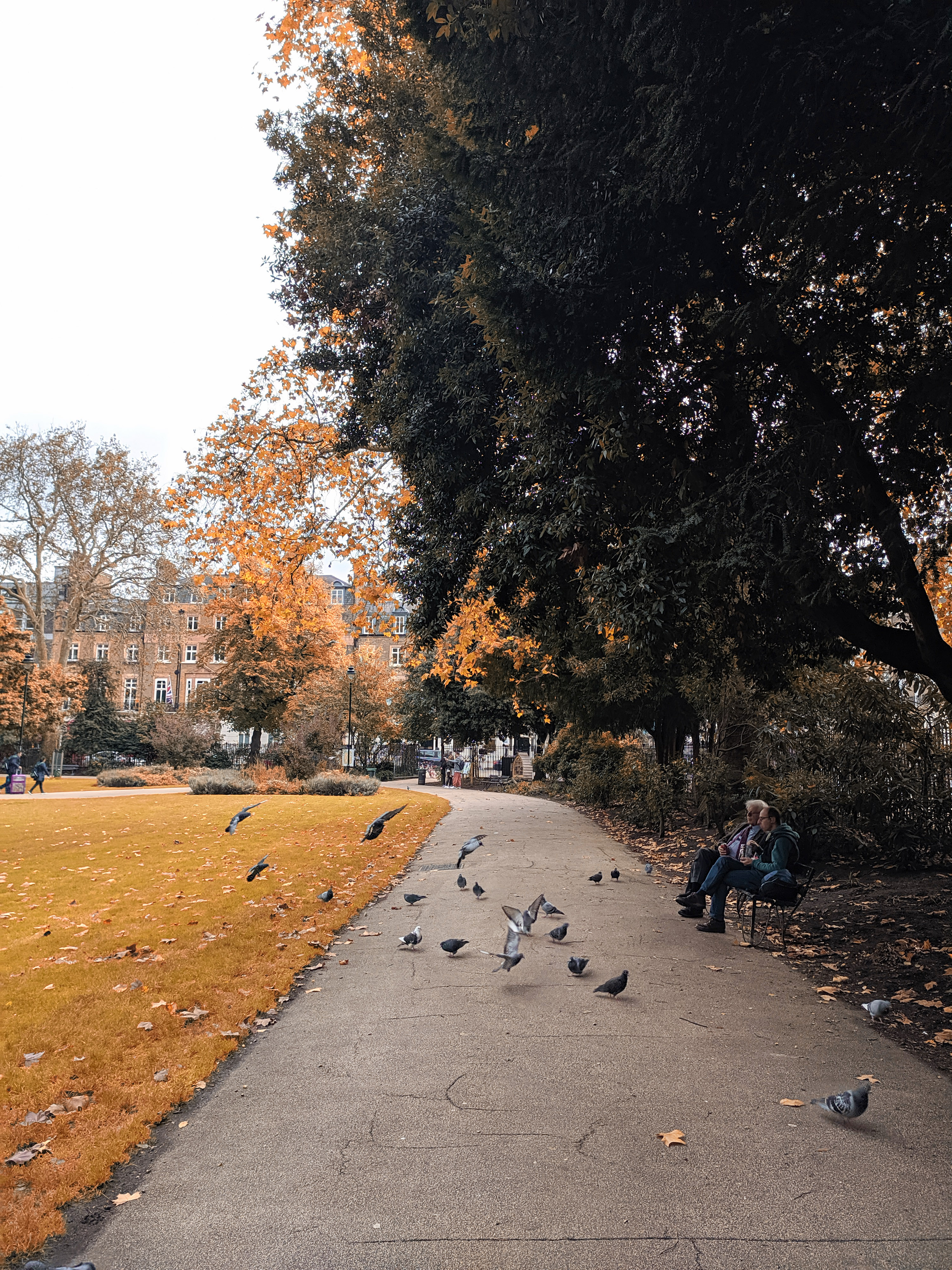
The world is small
IMG_20191020_1452
Travelling monk
IMG_20191020_132736
Don’t miss the train folks!
IMG_20191020_135851
A stroll by the park
IMG_20191020_145233
Winter’s far away

Fictive Self Portrait – expressions of myself

The mind is the ruler of our state of expression, we think what we see and act on how we feel based on our thoughts. Art uses the consciousness as the focus of attention to create new form and content out of imitation of experience. 

I think that art helps to bridge society and the environment. To manifest a strong desire of reflecting oneness or separation, to draw a meaning of life and its beauty.

Life is an abstract of different dimensions.

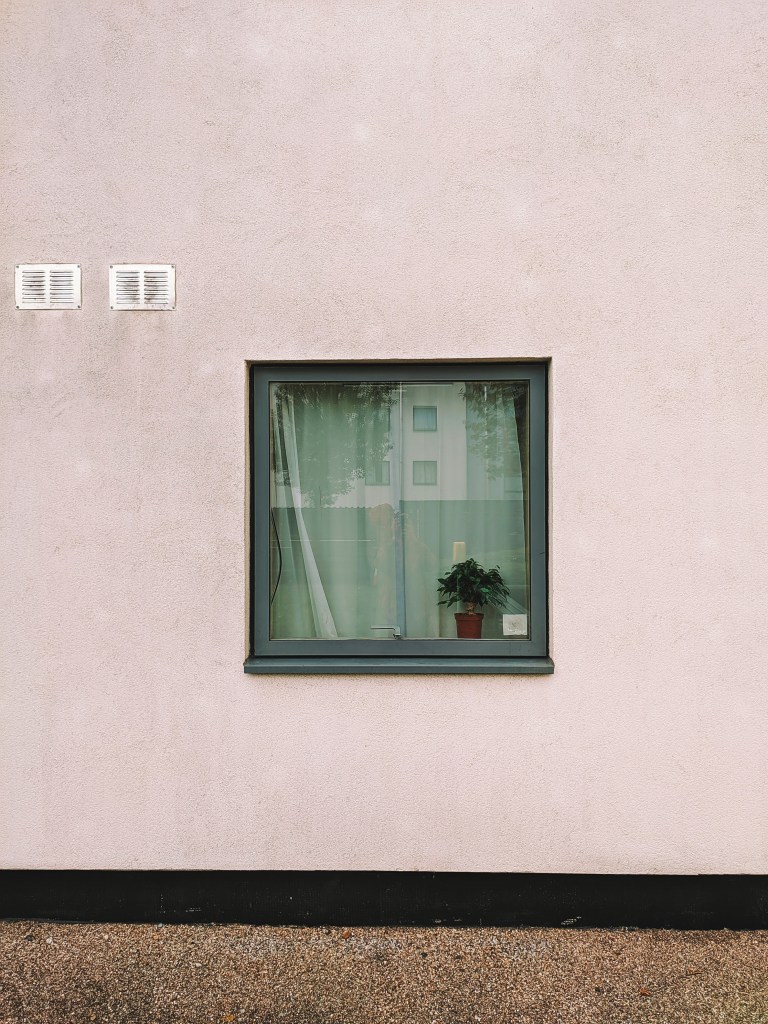
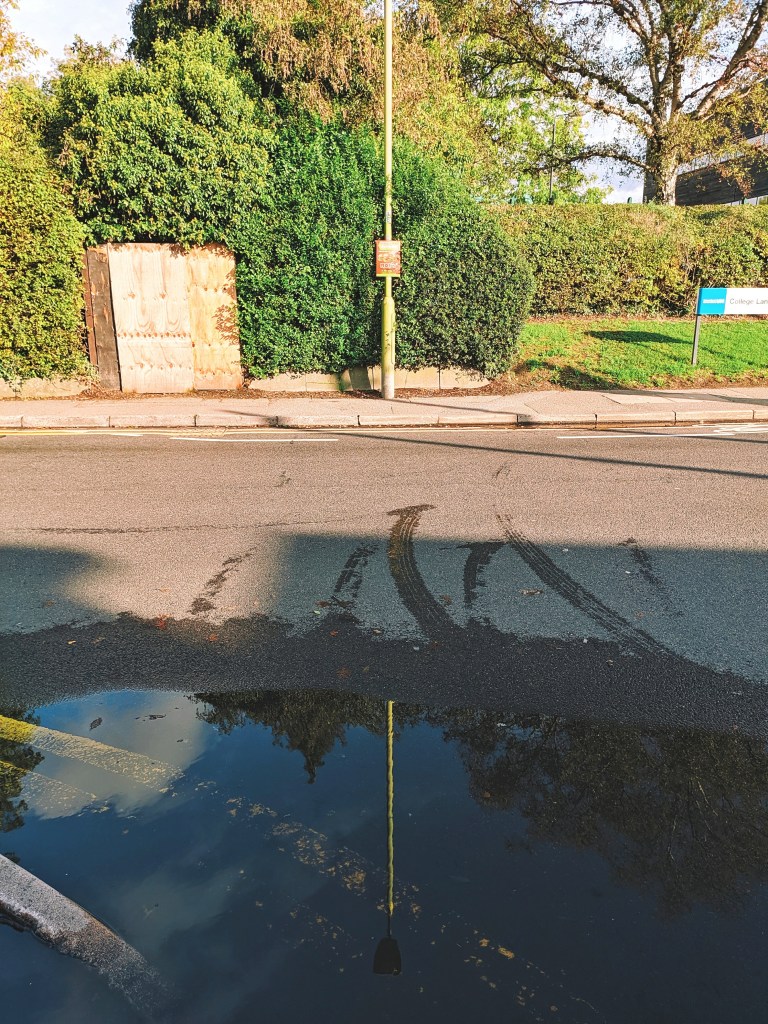
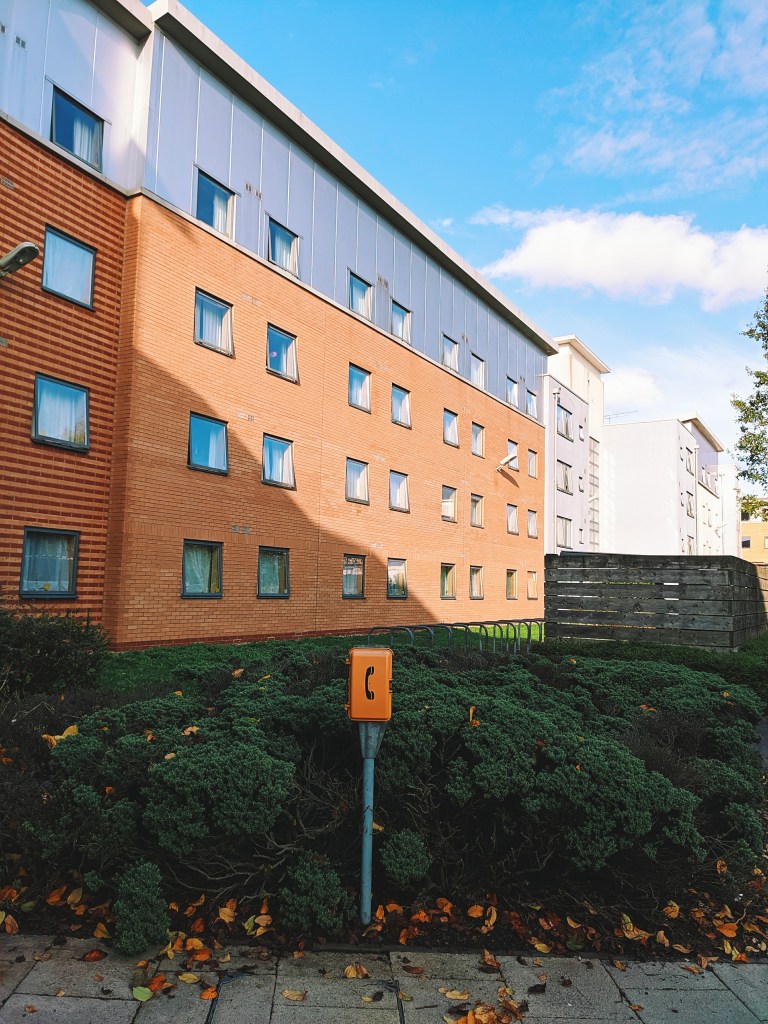
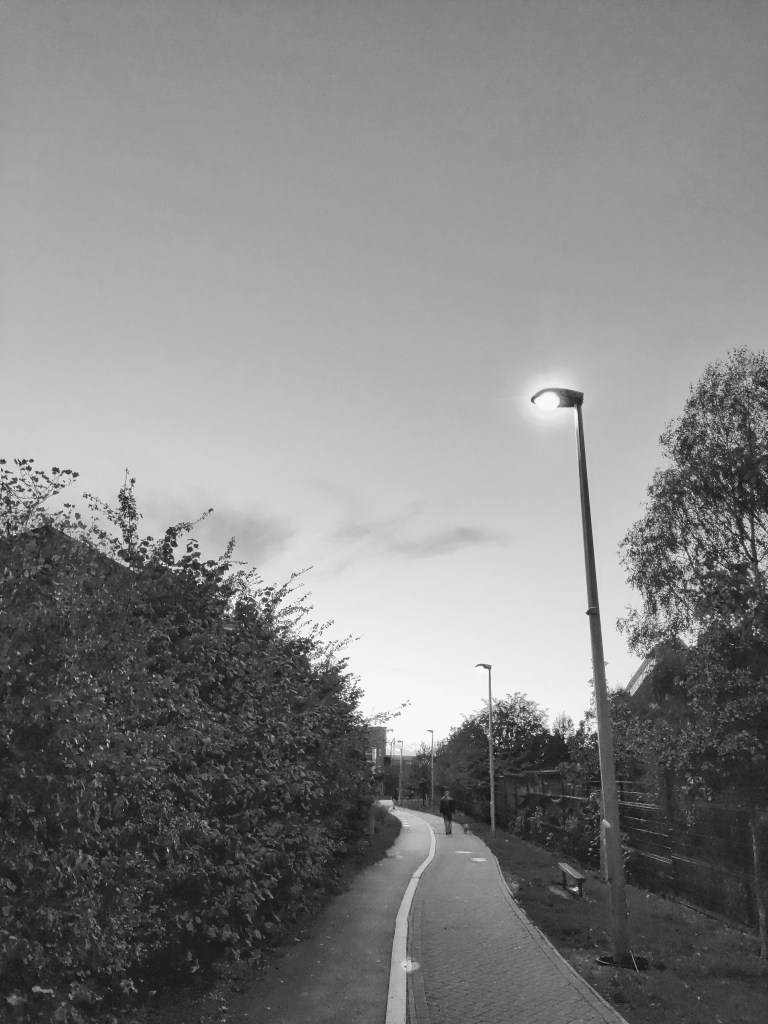
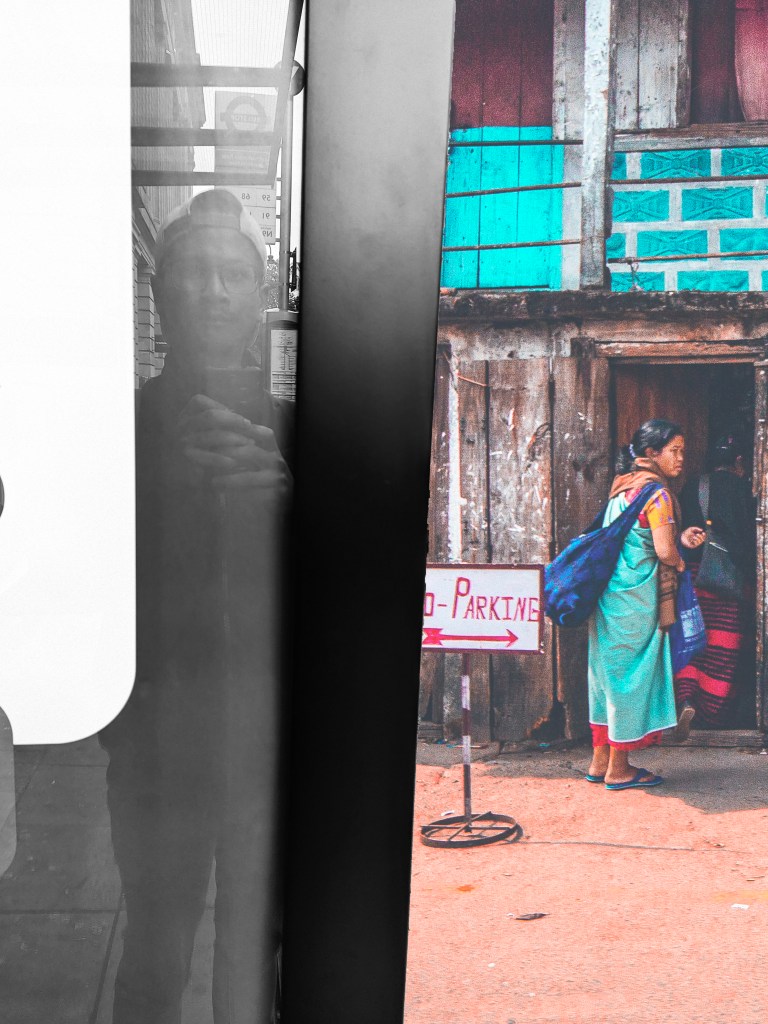
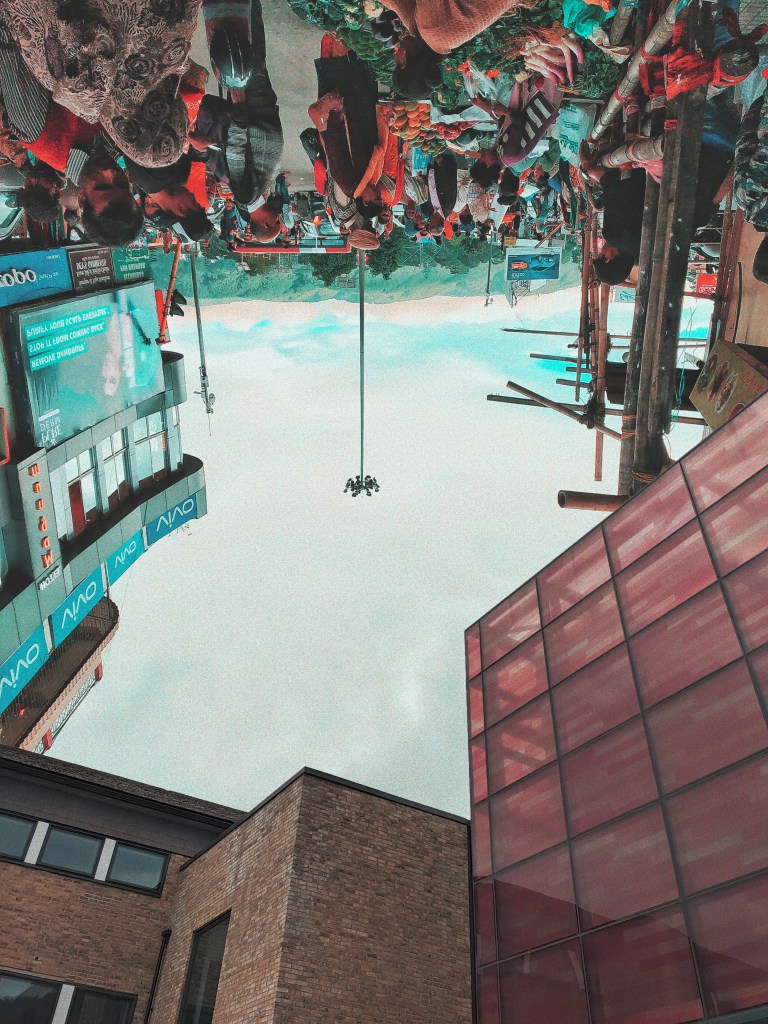
Below is a collection of abstract fine art photography which personally reflects my daily life as a Uni student in the UK.

Feeling happy? why not take a selfie.
At the Bus Stop.
Two worlds, above and below.
Every Morning.
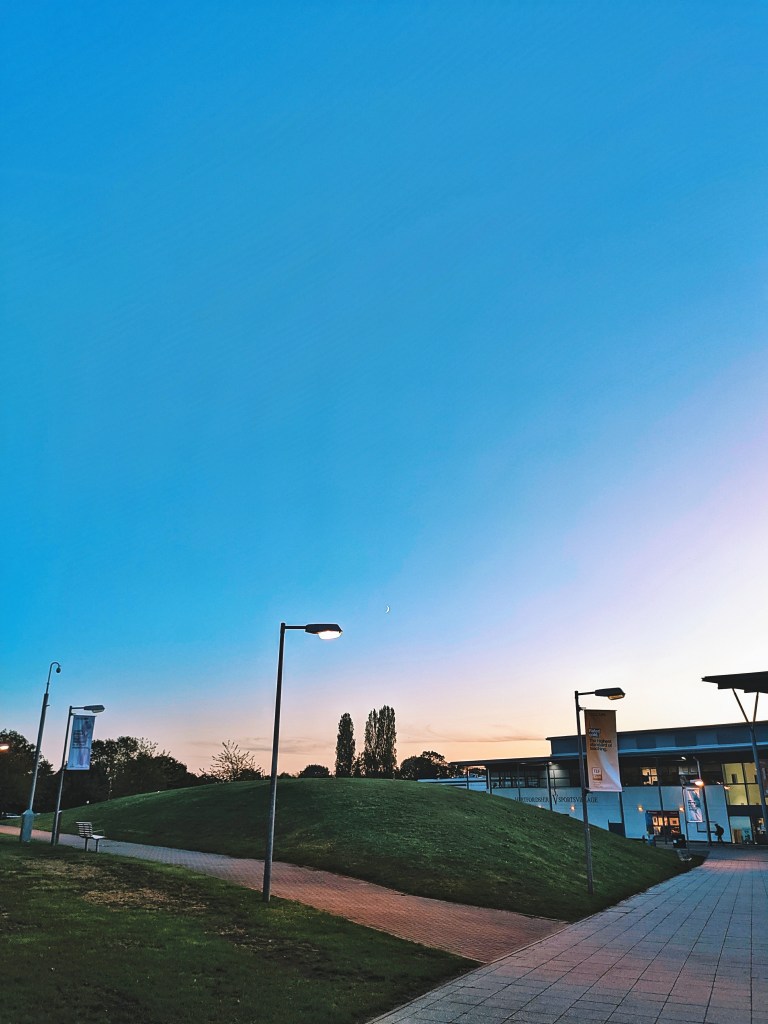
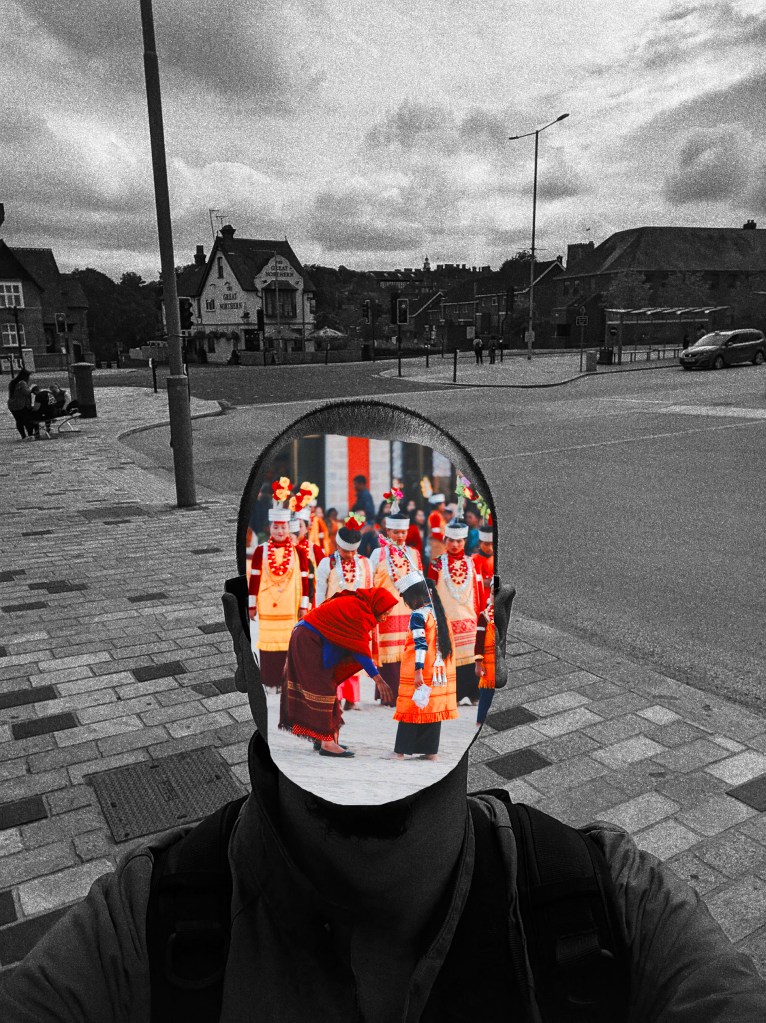
Self Portrait

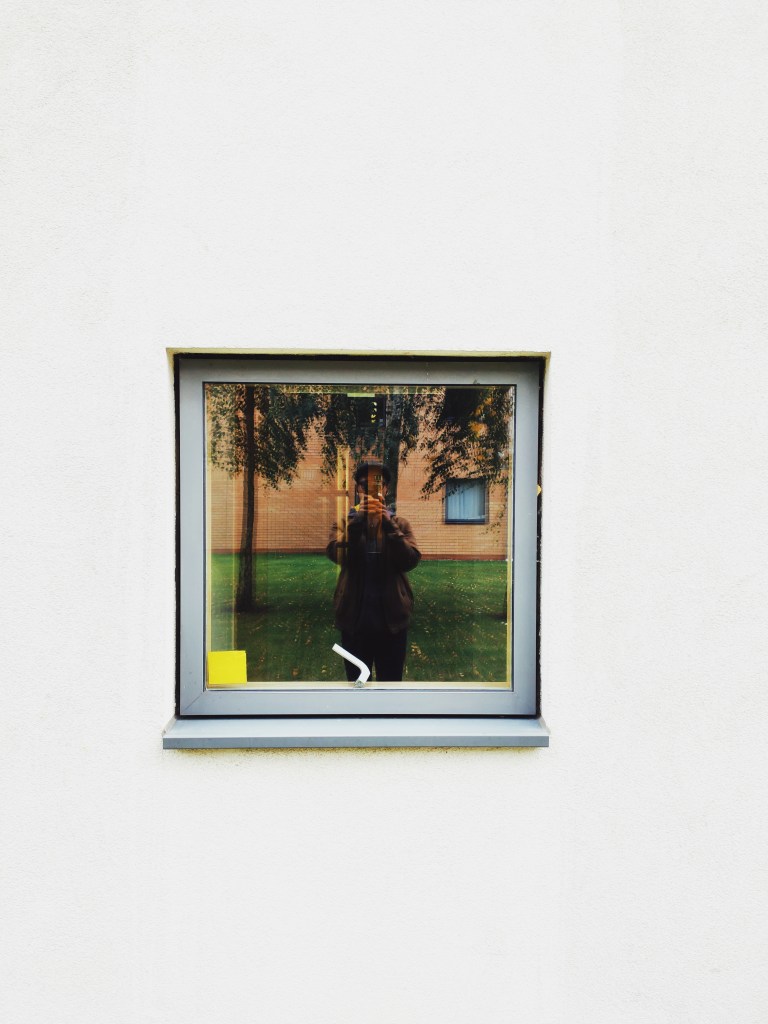
Self portraits unlike selfies, are very different in terms of framing, compositon and other photographic rules. My idea of a self portrait is based on the subject of alienation and environmental exploration. I consider the theme of loneliness as a vital aspect in understanding the environment, separated from the “noise” of society, and by becoming more conscious of it.
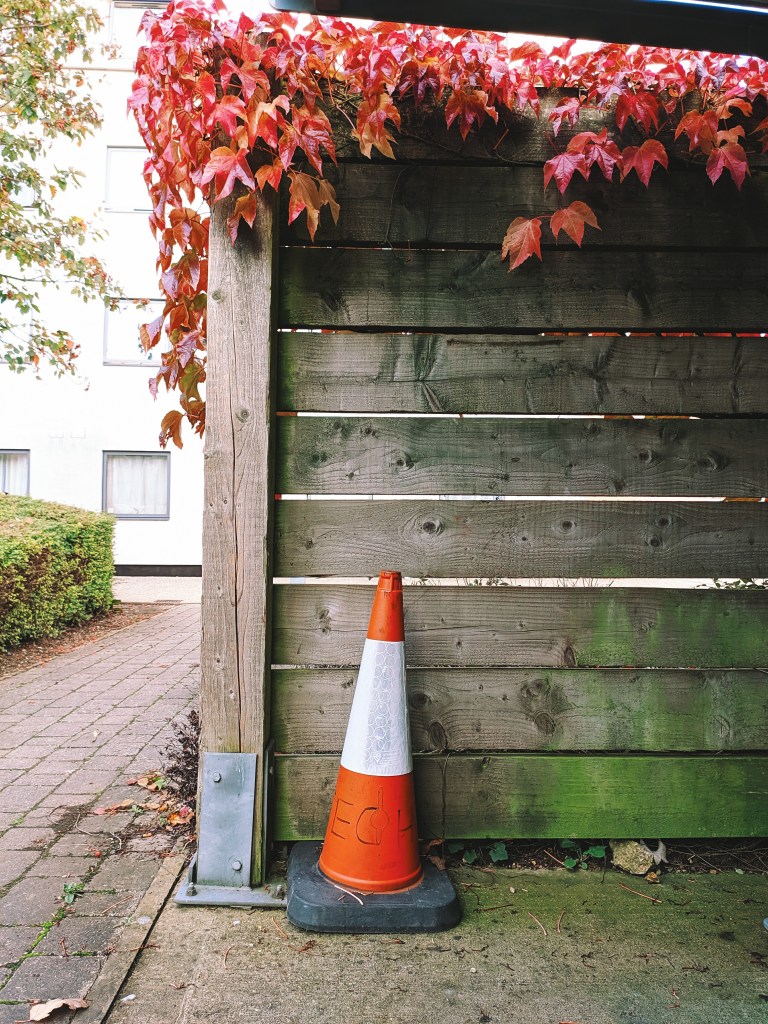
The above (1) Self Portrait photo was inspired by Vivian Maier, who was an unknown photographer during the late 1950s and lived a private life until her dead in April 21, 2009. She kept her work secretively from the rest of the world. Maier’s photographs were first published on the Internet in July 2008 by Slattery.

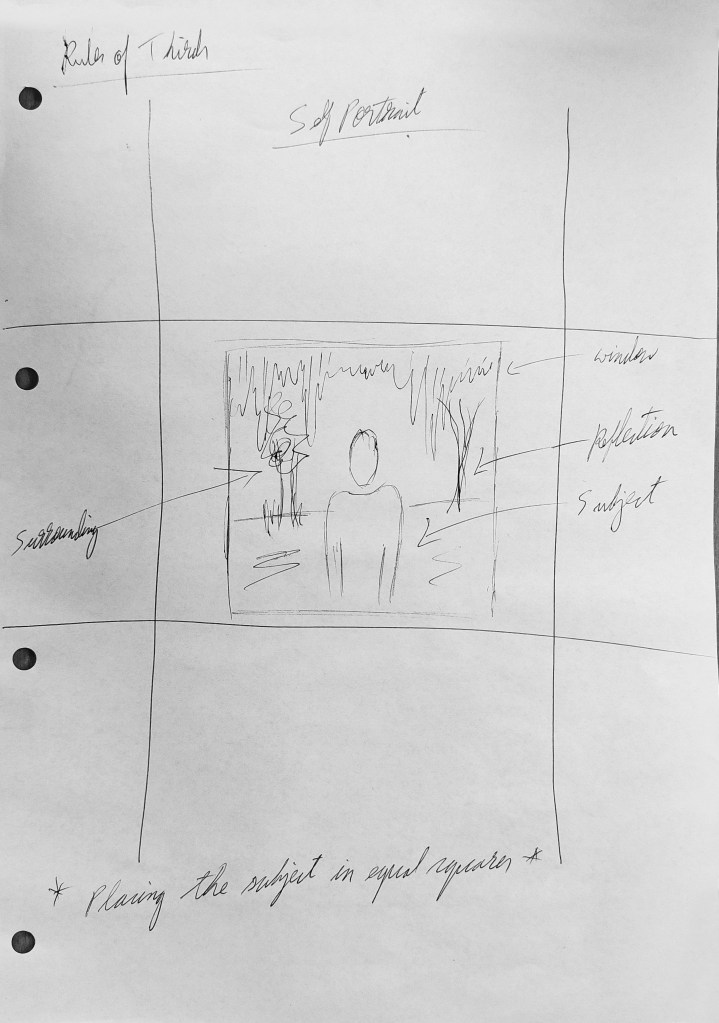
The technique used in the photograph(1) is to break the Rules of Thirds, by using the centre as the focus of interest, having equal space in the horizontal and vertical.

The idea of the focus of interest in the photograph is to give the audience a perspective of “a world” which has its own definitive meaning of closure and solitude that comes from separation.

“There is a pleasure in the pathless woods,
There is a rapture on the lonely shore,
There is society, where none intrudes,
By the deep sea, and music in its roar:
I love not man the less, but Nature more”
– Lord Byron

Reference: Maier, V. (2019). [online] Available at: http://www.vivianmaier.com/

Design a site like this with WordPress.com
Get started